
Ever order custom tees for a team… then half the people say, “This fits weird”? The biggest reason is usually the cut—not color, print, or fabric. At first glance, unisex and women’s cut T-shirts can look almost the same, but the differences in shape, sleeve fit, and length show up fast once worn. This guide breaks it down so you can pick the right option for your group.
About Unisex and Women’s Cut T-Shirts
Whether you’re buying one tee for yourself or ordering in bulk, understanding these two cuts helps you avoid common problems like shirts feeling too boxy or too tight. They are built with different body shapes in mind, affecting how the shirt sits on the shoulders and waist.
What Is a Unisex T-Shirt?
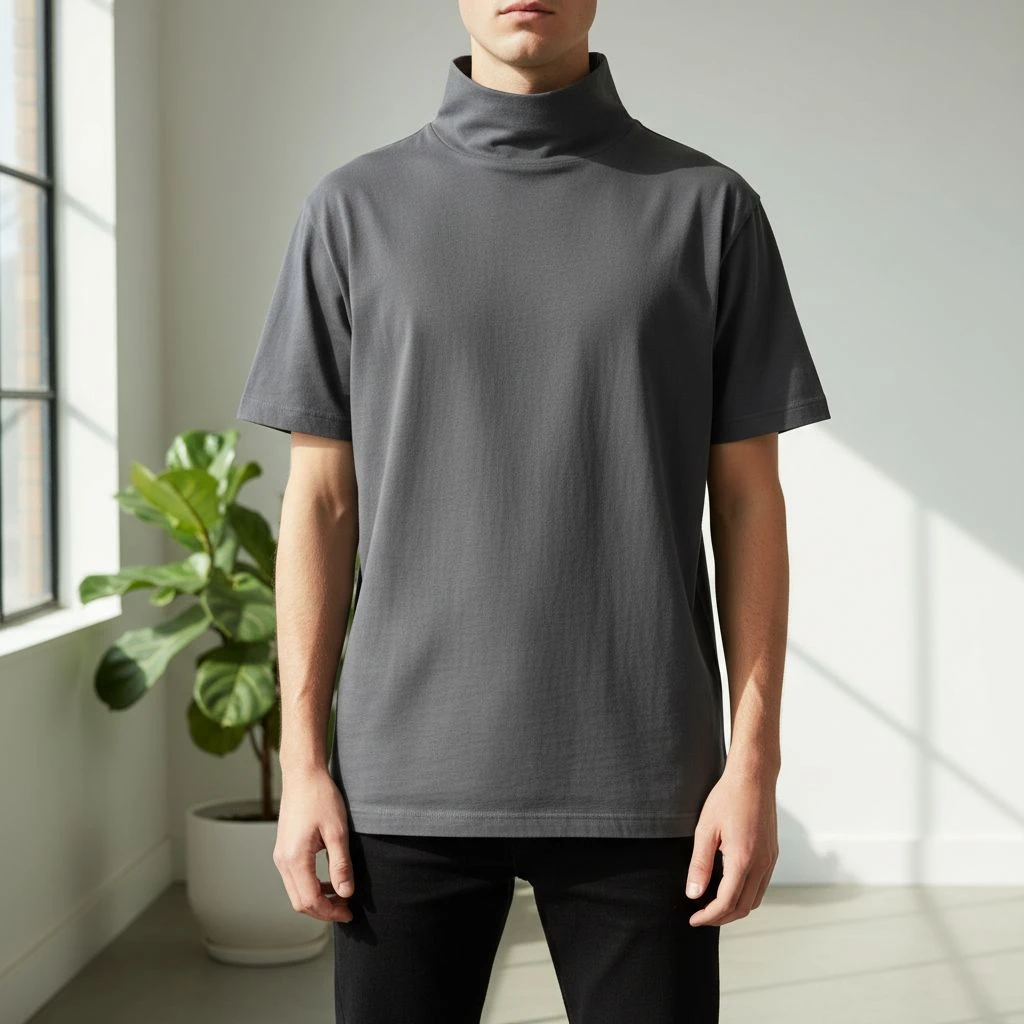
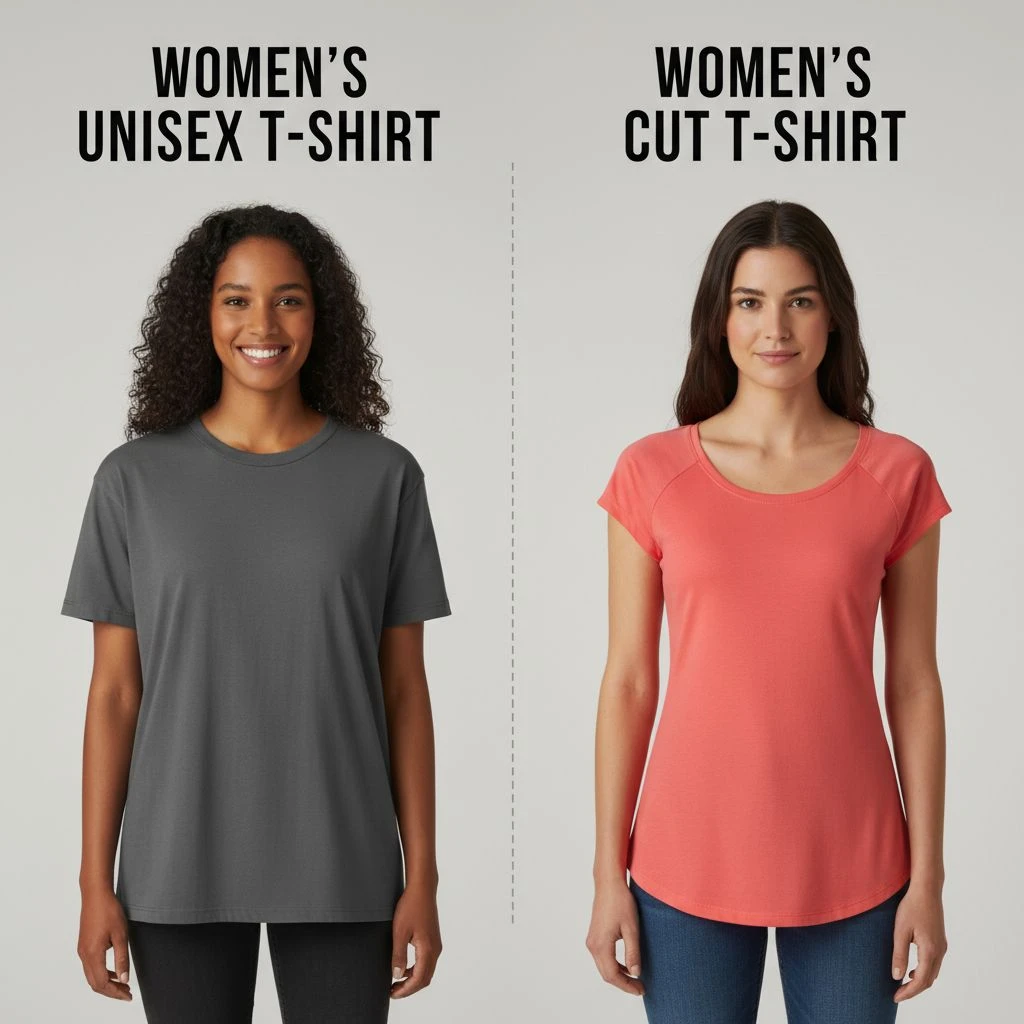
A unisex T-shirt is designed to fit a wide range of people with one basic shape. Most are built from men’s sizing blocks, meaning they feature:
- Straighter body (less waist shaping).
- Broader shoulders and roomier sleeves.
- Longer overall length with a relaxed, easy fit.
Safe and simple: Unisex is the standard choice for company uniforms, event giveaways, and school clubs where “simple sizing” is required.
What Is a Women’s Cut T-Shirt?
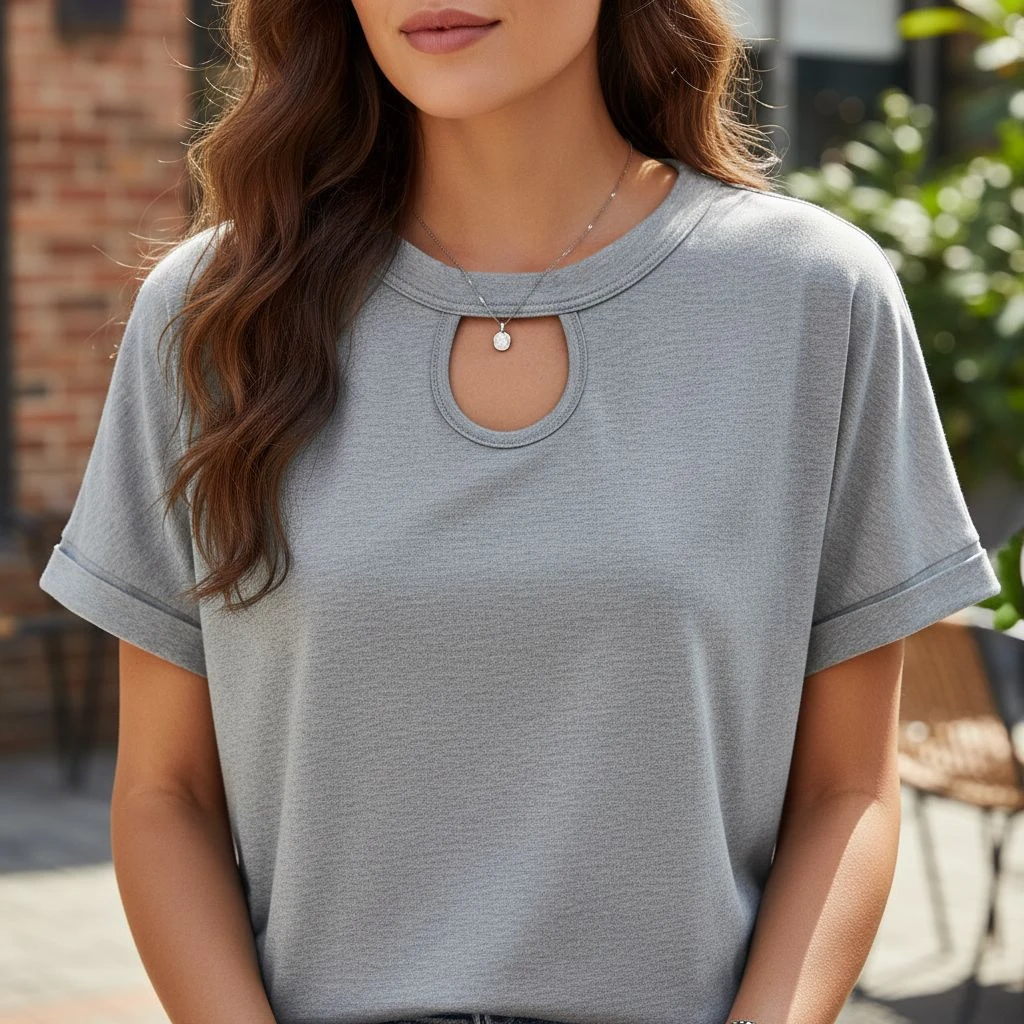
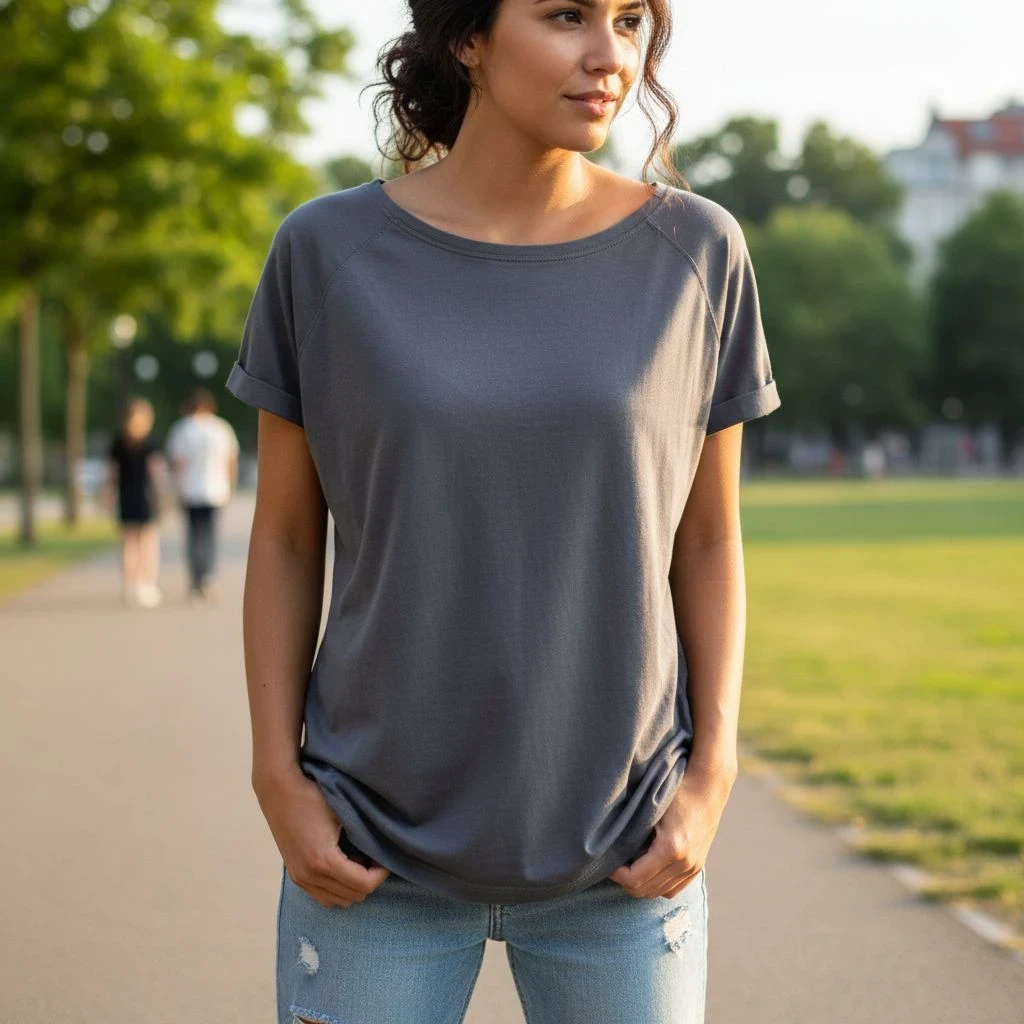
A women’s cut (also called women’s fit) is made to match typically feminine proportions. Key features include:
- Narrower shoulders and smaller armholes.
- Shorter sleeves and more shaping at the waist.
- A fit that follows curves more closely.

Note: Because these are closer to the body, they can feel restrictive if the fabric doesn’t have enough stretch or if the brand runs small.
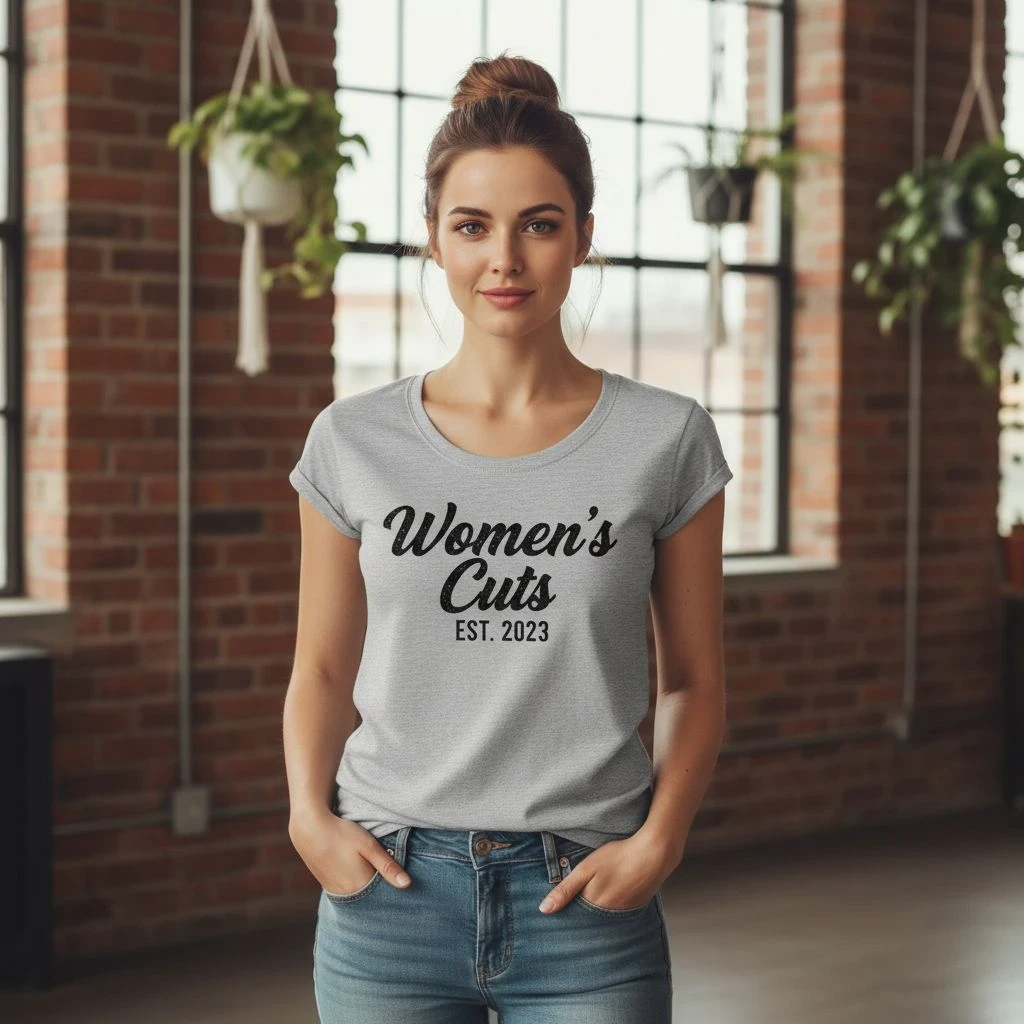
Unisex vs. Women’s Cuts: The Real Differences
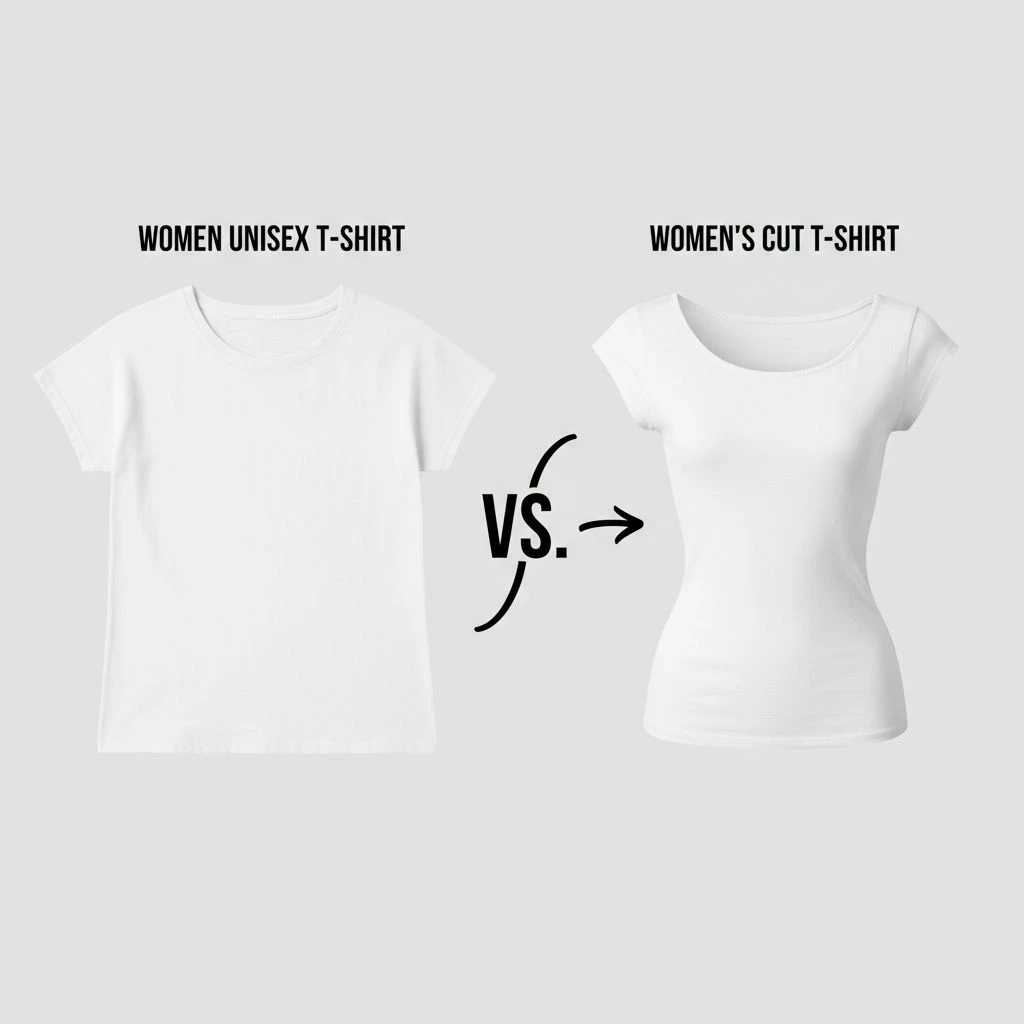
The “small” differences show up in how the shirt hangs and where it clings. Choosing the wrong cut can lead to fit complaints and reorders.
| Category | Unisex Cut | Women’s Cut |
|---|---|---|
| Body Shape | Straight from chest to hem | Tapered at waist, shaped sides |
| Shoulder/Sleeve | Wider shoulders, looser sleeves | Narrower shoulders, shorter sleeves |
| Armholes | Larger opening | Smaller, higher armhole |
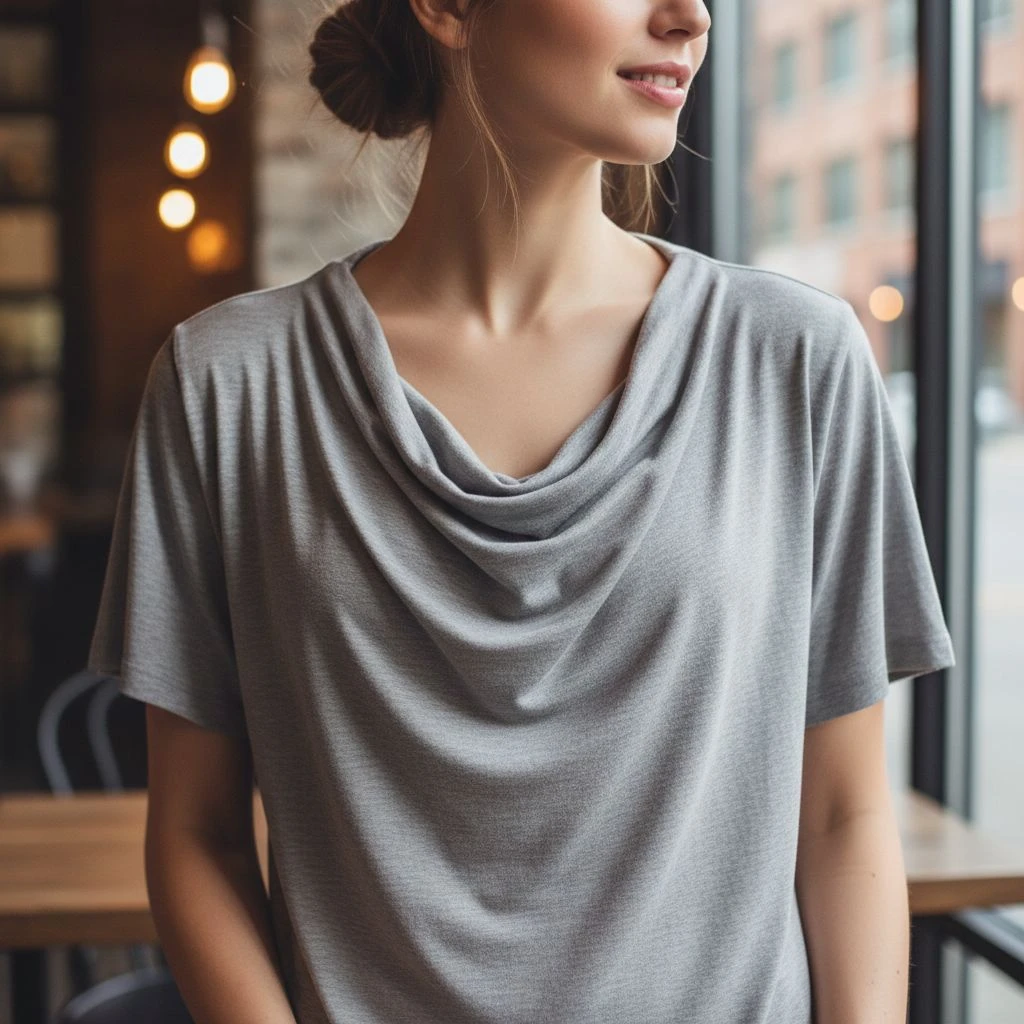
| Neckline | Classic crew, higher | Often wider or softer opening |
| Print Area | Flat and consistent | Smaller and curved |
Comfort, Movement, and Design Placement
Unisex feels better for people moving a lot or working long shifts. Women’s cuts look more styled but demand stretchier fabric to stay comfortable. Placement Warning: Wider necklines on women’s cuts can make a chest print appear lower visually than on a unisex tee.
Sizing: How to Avoid Mistakes
Don’t trust the letter (S, M, L)—trust the measurements. A “Unisex Medium” usually follows men’s standards, while a “Women’s Medium” varies wildly between brands and often runs smaller.
- Fit Test: Measure a shirt you already love (armpit to armpit and shoulder to hem) and compare it to the product’s size chart before ordering bulk.
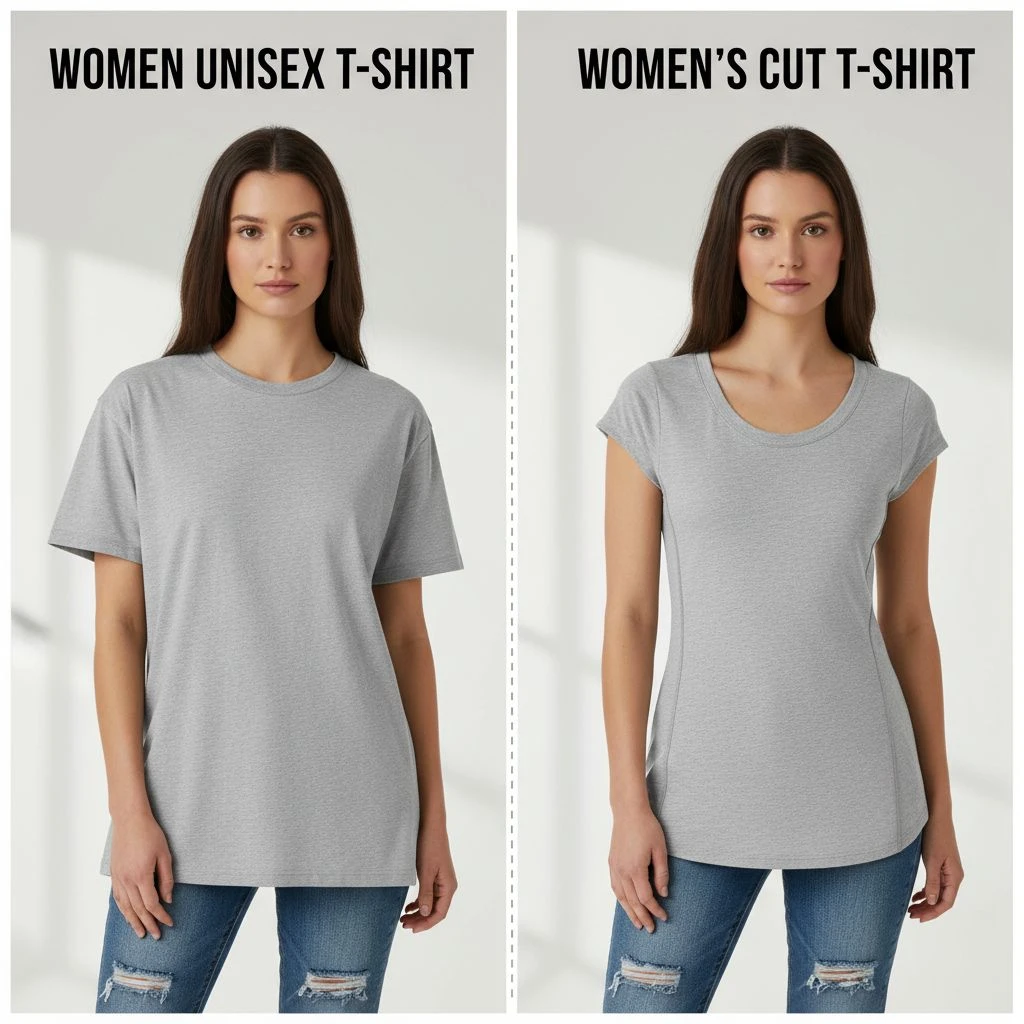
Which One Should You Choose?
- Choose Unisex if: You need simple sizing for mixed groups, easy reorders, or a relaxed inclusive vibe. (Best for company events and basic merch).
- Choose Women’s Cut if: You want a tailored, fashion-forward silhouette for boutique brands or lifestyle drops.
Pro Tip for Groups: Picking a high-quality unisex tee with a modern fit is the safest way to reduce sizing chaos for a large team.
Conclusion
Unisex and women’s cut T-shirts are about fit and purpose, not gender. If you want simplicity and fewer complaints, go unisex. If you want a styled, sharp look, choose women’s cuts but pay close attention to the size chart. Match your goal to the right cut to ensure your team actually likes wearing what you order.
FAQs About Unisex vs. Women’s Cut T-Shirts
Are unisex T-shirts the same as men’s T-shirts?
Not exactly, but they’re usually based on men’s sizing. That’s why unisex tees often have broader shoulders, a straighter body, and longer sleeves. Some brands make “modern unisex” fits that are less boxy, so always check the size chart.
Do women’s cut T-shirts run smaller?
Often, yes. Women’s cuts are typically more fitted in the chest, waist, sleeves, and armholes. That tighter shape can feel “smaller” even if the tag says the same size as unisex. Best move: compare measurements, not letters.
If I’m a woman, should I always choose women’s cut?
No. Many women prefer unisex for comfort, longer length, and a relaxed look. Women’s cut is better if you want a more shaped silhouette — but if you don’t like tight sleeves or short length, unisex might feel better.
If I’m between sizes, what should I do?
For unisex: size down for a closer fit, or stay true-to-size for relaxed comfort. For women’s cut: sizing up is often safer if you want easier movement or if you’re unsure.
Which one is best for group orders (company, school, event)?
Unisex is usually best. It reduces size confusion, fits more body types comfortably, and lowers the risk of returns or leftover sizes. Women’s cuts can look great, but they usually increase “wrong size” problems
Will the print look different on women’s cut vs unisex?

Yes, sometimes. Women’s cuts often have a smaller front panel and a shaped chest area, which can change how a logo or graphic sits. If your design must look identical on everyone, unisex makes placement more consistent.
Why do women’s tees sometimes feel tight in the armpits?
Because women’s cuts commonly have smaller armholes and slimmer sleeves. That can look clean, but it can also reduce comfort—especially for active events or all-day wear.
What’s better for a “fashion” look?
Women’s cut tends to look more tailored. But here’s the catch: a “fashion look” also depends on fabric and weight. A modern unisex tee in a soft fabric can look stylish too, especially for streetwear.
Can I offer both cuts without creating inventory problems?
You can, but it’s riskier. More cuts = more SKUs = more leftover sizes. If you don’t have solid size data, offering both may increase waste. A smarter option for many brands is offering one cut with clear fit guidance (or “relaxed vs slim fit” instead of gendered labels).