
How a Brand Should Choose the Right T-Shirt Neckline Without Regrets

Picking a neckline sounds simple… until you get returns, warped collars, or a tee that looks “cheap” on-body. Most brands choose necklines based on taste. That’s how you end up with a neckline that:
- Looks good in a mockup but bad on real customers.
- Fights your logo placement.
- Fails QC (wavy neck, stretched opening, twisted seams).
- Creates higher returns than you expected.
=> Read More: T Shirts Manufacturing Vietnam | Mekong Garment Factory
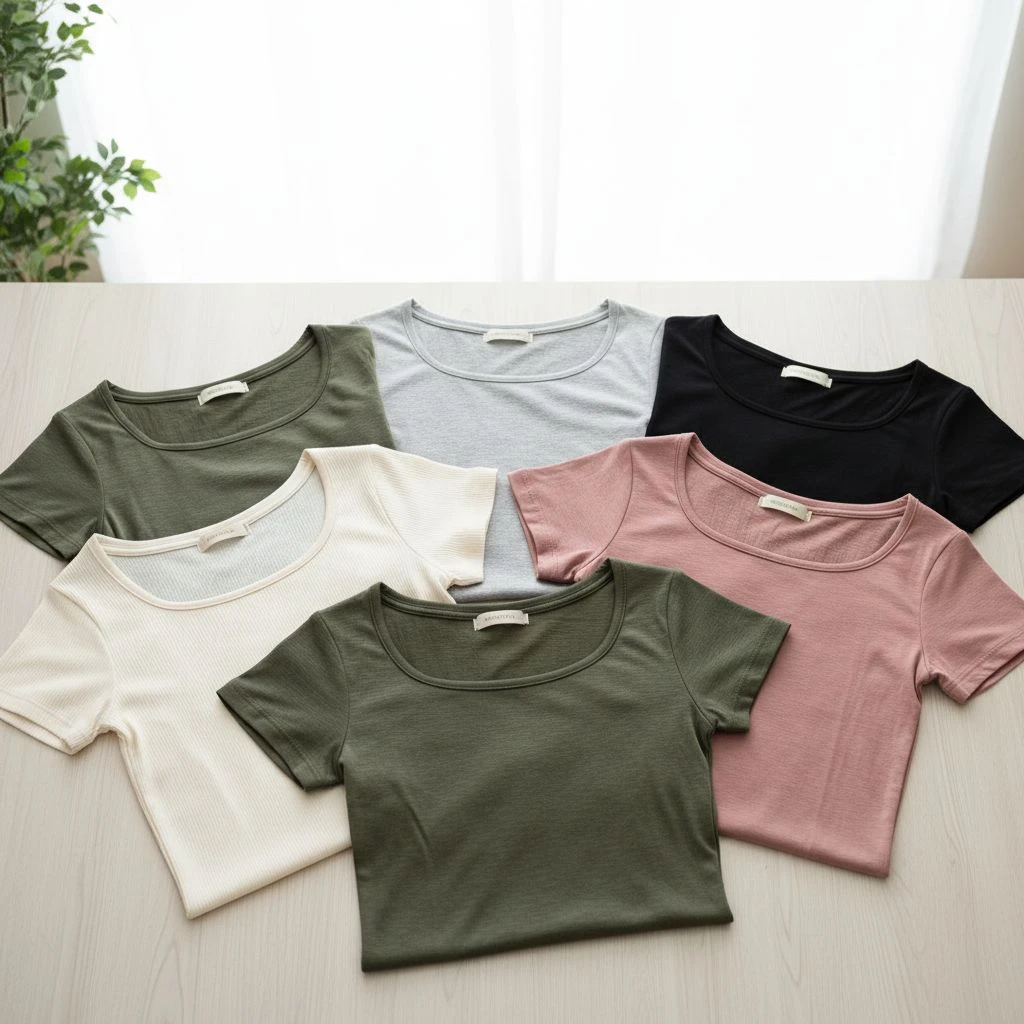
Why Necklines Matter More than Brands Think
The neckline is the “frame” of the face and chest. It decides the first impression (premium vs basic), comfort, durability, and even how the logo is perceived. You can nail fabric, fit, and color and still lose customers if the collar feels wrong after one wash.
Step by Step to Choose the Right T-Shirt Neckline
Step 1: Define the Job of the T-shirt
Before naming styles, decide the tee’s job:
- Daily Uniform: Dependable, comfortable, and stable. (Best: Crew, V-neck)
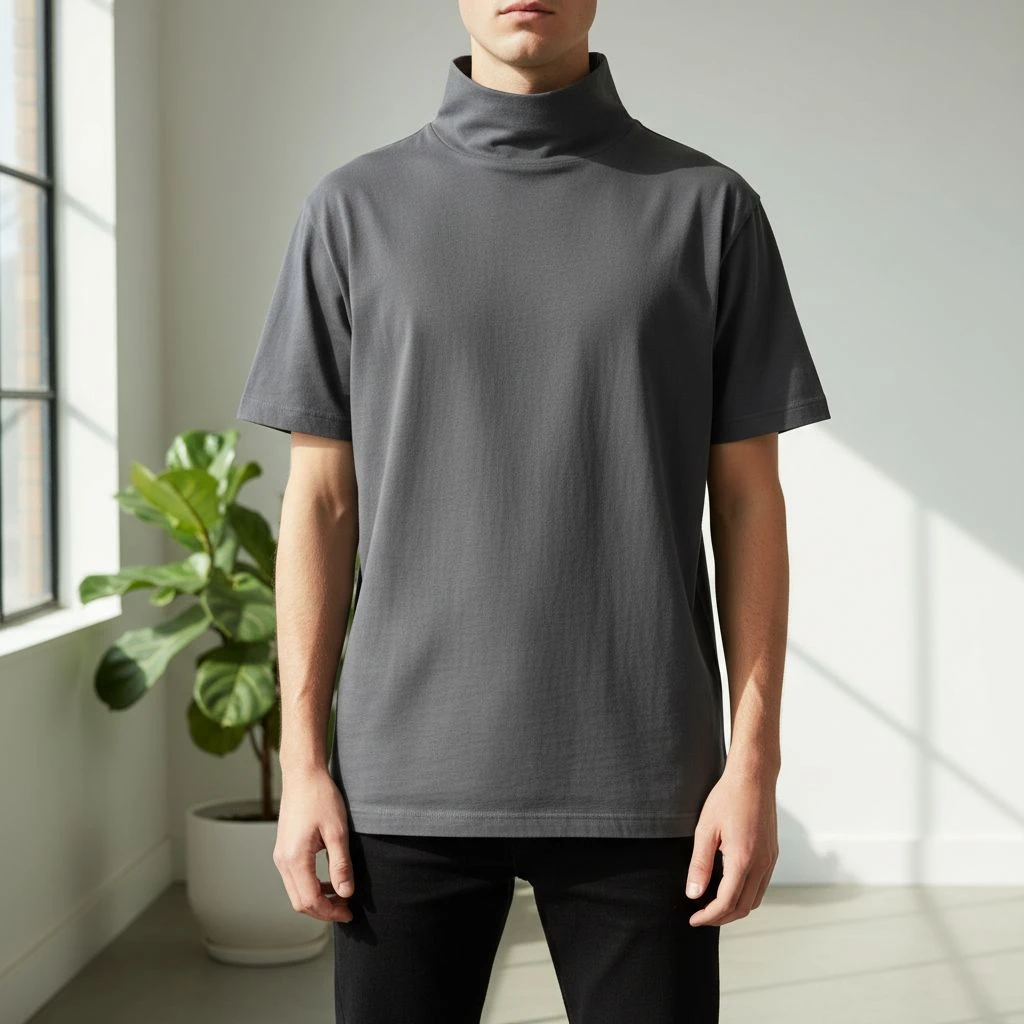
- Premium Basic: Clean, structured, and intentional. (Best: Boat neck, High neck)
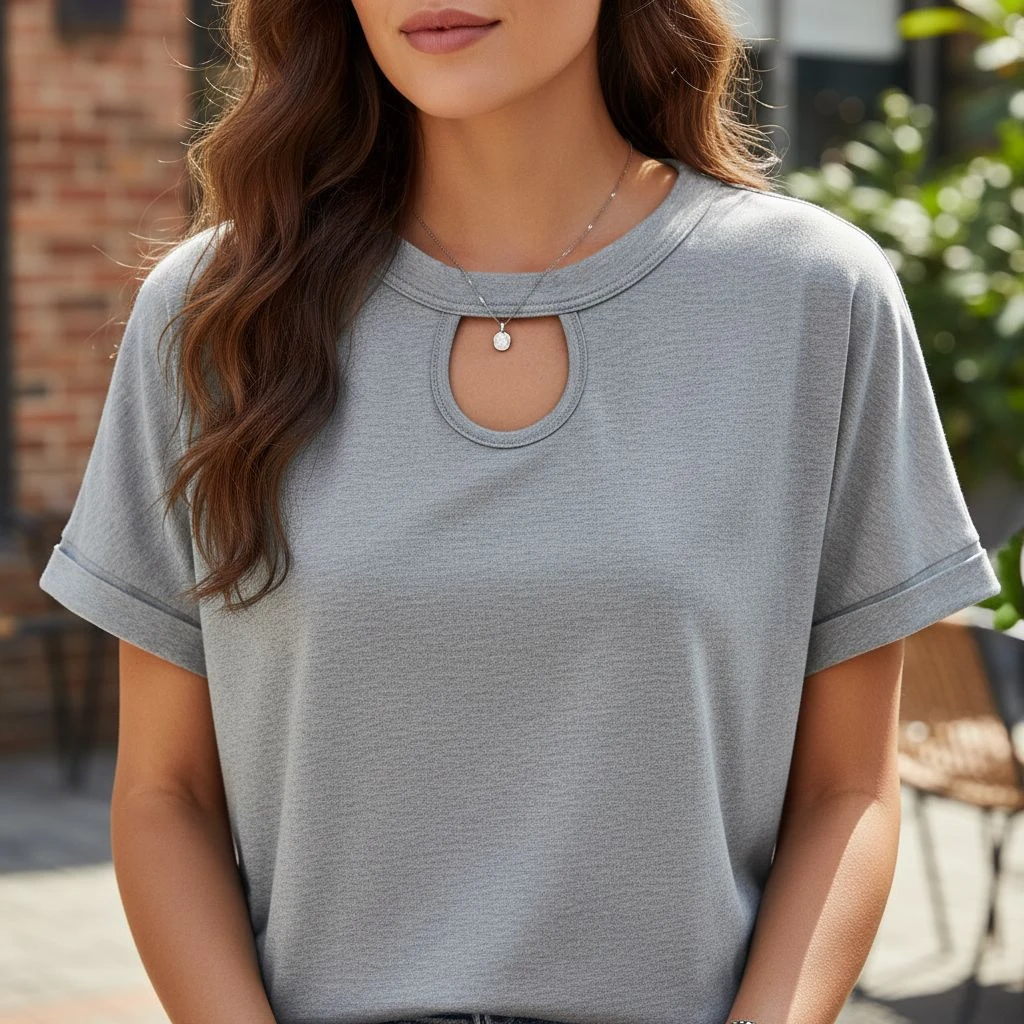
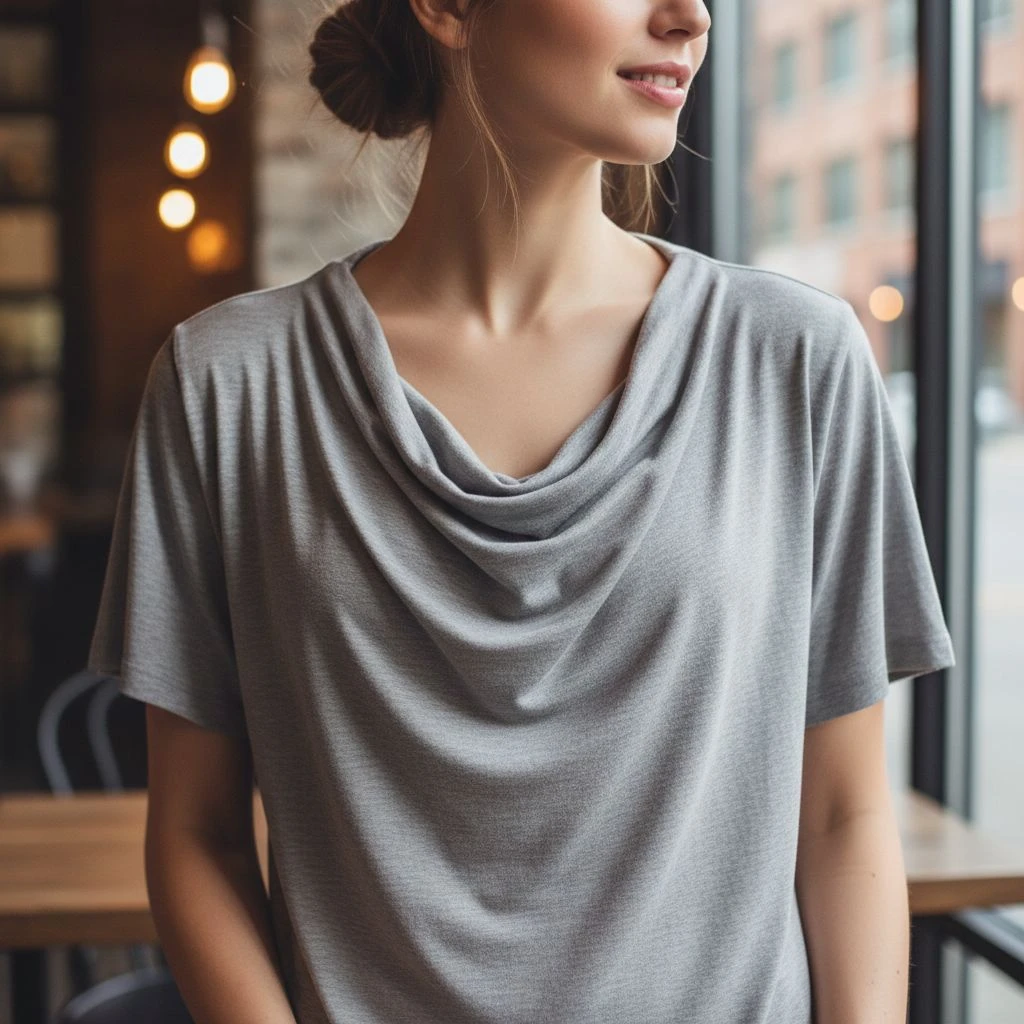
- Fashion Statement: Focus on silhouette and attitude. (Best: Square, Cowl, Keyhole)
- Merch / Graphic Tee: Support the artwork, don’t compete with it. (Best: Standard Crew)
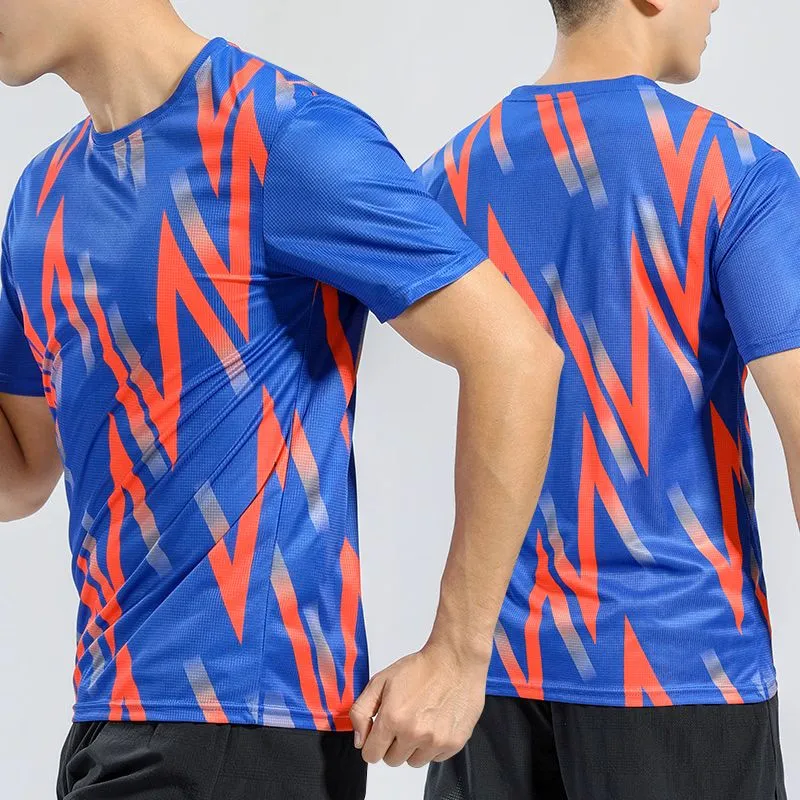
Step 2: Customer Clarity
Measurement matters: Does your customer hate tight collars? Do they layer or wear jewelry? A “streetwear customer” might love oversized tees but hate a tight high neck. If it “feels choking,” you’ll get bad reviews regardless of the look.
Step 3: Fabric Behavior Is the Real Boss
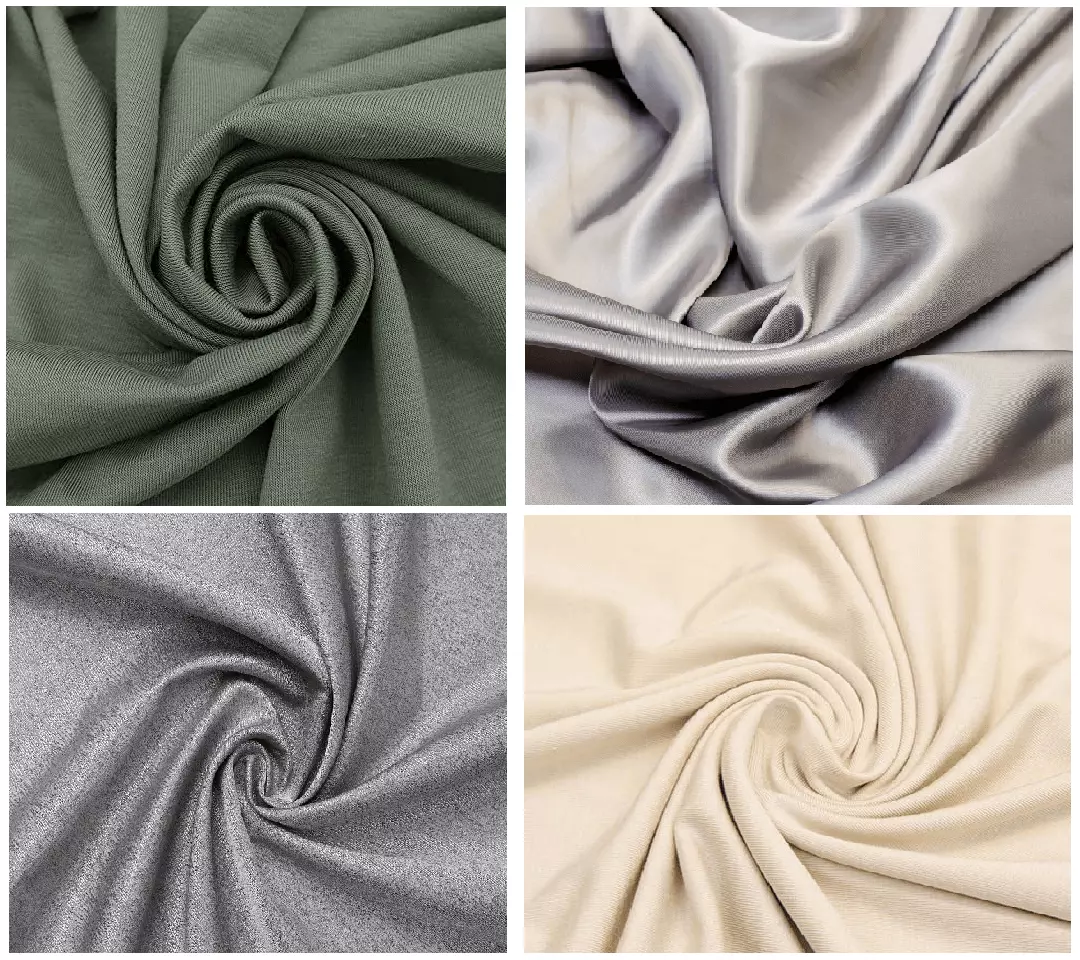
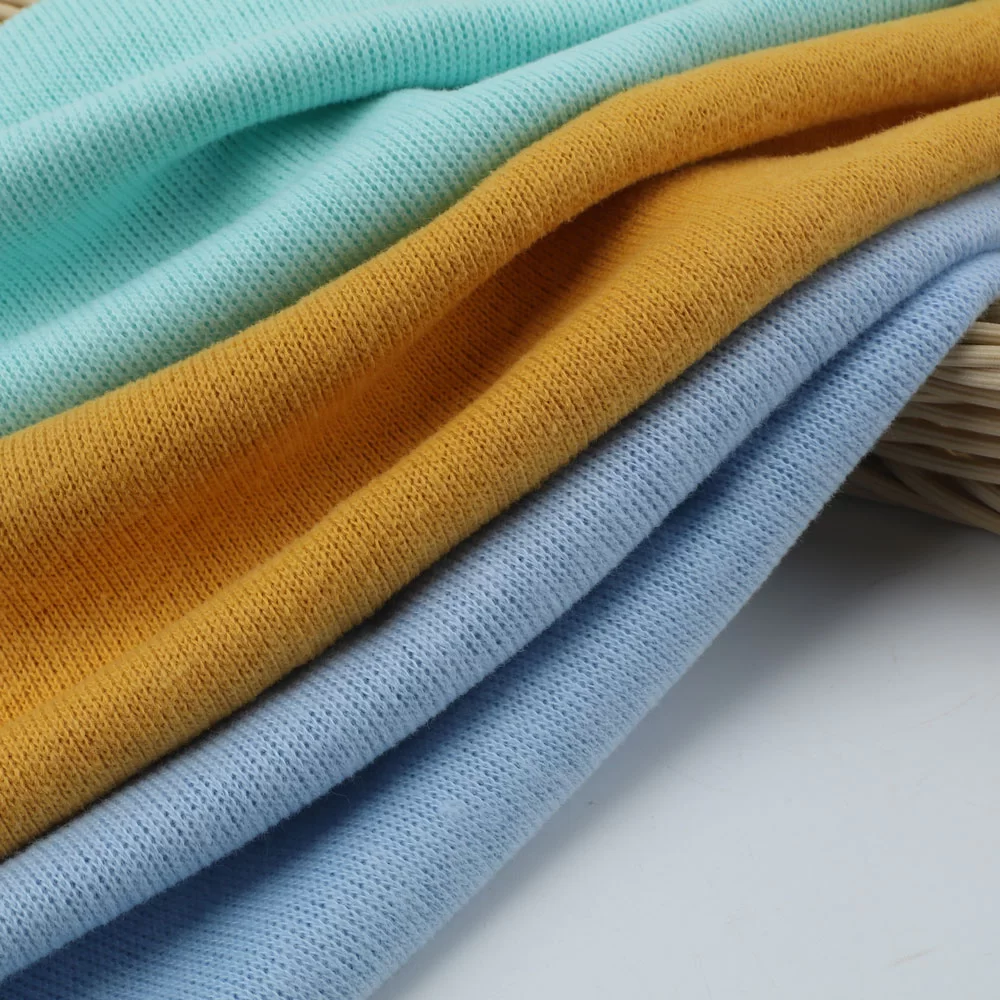
Climate is important, but breathable fabric in a crew neck can feel cooler than a heavy fabric scoop neck. Key behaviors: Recovery (snap back), shrink risk, drape, and GSM. Weak recovery fabrics require safer necklines like a mild V or crew.
Step 4: Price Point vs Execution
Higher retail prices allow for “fussy” details like reinforcement and cleaner finishing. For budget tees, keep it simple with a basic crew to ensure stable repeatability and lower defect risks.
Step 5: Logo & Graphic Placement
The neckline creates a visual frame. Large centered graphics work best with a crew neck. Deep V or keyhole cuts can interrupt the vertical flow of artwork. Quick branding rules suggest choosing the neckline that sets the proper “center” for your design.
Step 6: Production Reality
Ask your factory: Can you repeat these consistently? Check for wavy necklines, “baconing” (rippling), and neck opening growth. If a neckline requires “perfect execution,” it is often a poor choice for mass production.
Neckline Options: Signals & Risks
| Goal | Best Choice | Why it Works |
|---|---|---|
| Lowest Risk | Crew Neck | Universal fit, easiest to reorder. |
| Cooler Feel | Moderate V-neck | Better airflow, sharper styling. |
| Soft Fashion | Scoop Neck | Relaxed, airy, and feminine. |
| Premium Modern | High Neck | Structured and intentional look. |

Conclusion / Final Words
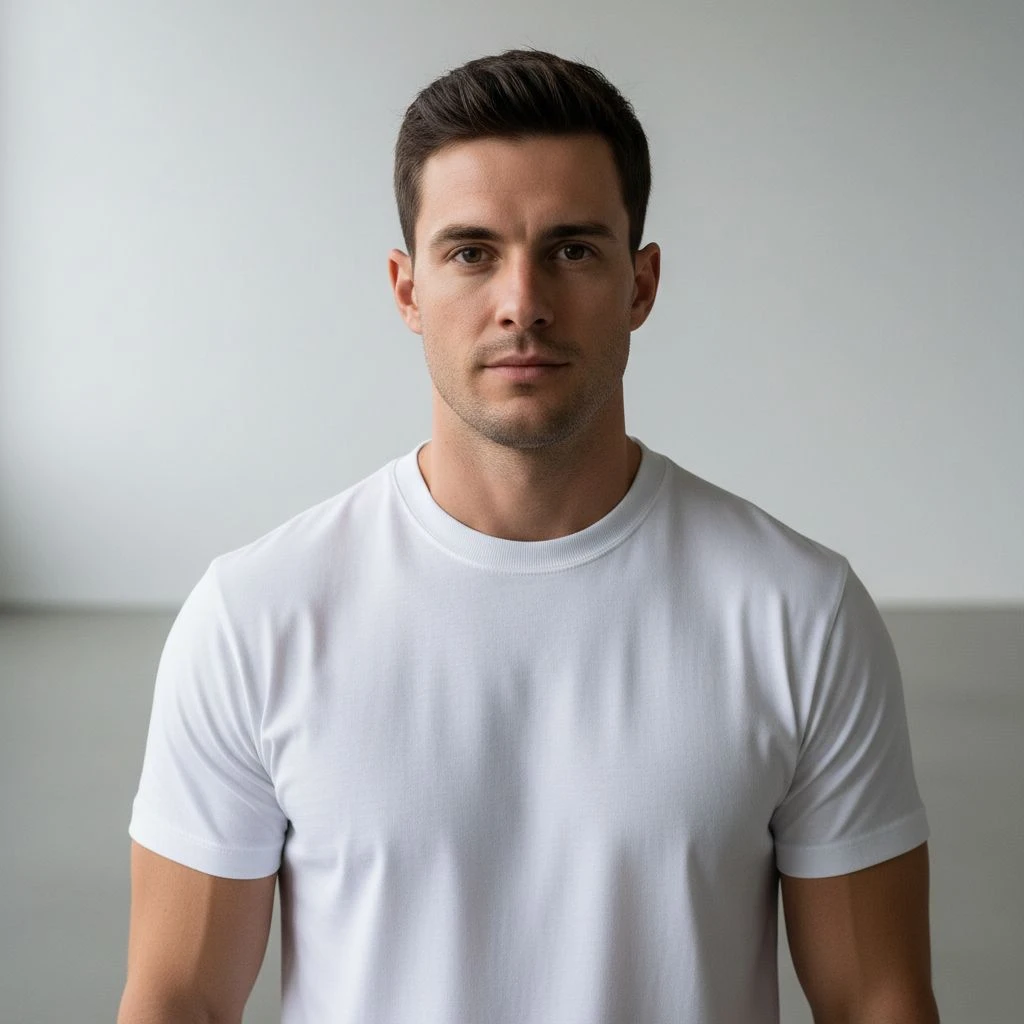
Choosing a T-shirt neckline is a business decision. Match the neckline to your customer, price point, and fabric stability. If your factory can’t repeat it consistently, your “best-looking” design becomes an expensive mistake. Build for durability and comfort to win the reorder battle.