What Quality Control (QC) mean in Garment Manufacturing: A Full Guide

Quality Control (QC) in garment manufacturing is the part of the system that checks real garments. Where QA (Quality Assurance) tries to prevent defects, QC is the last line of defense that finds defects and blocks bad pieces from going to the buyer. In simple words:
- QC asks: “Is this garment good enough to ship?”
- If the answer is “no,” QC must catch it, classify it, and stop it.
What Is QC in Garment Manufacturing?
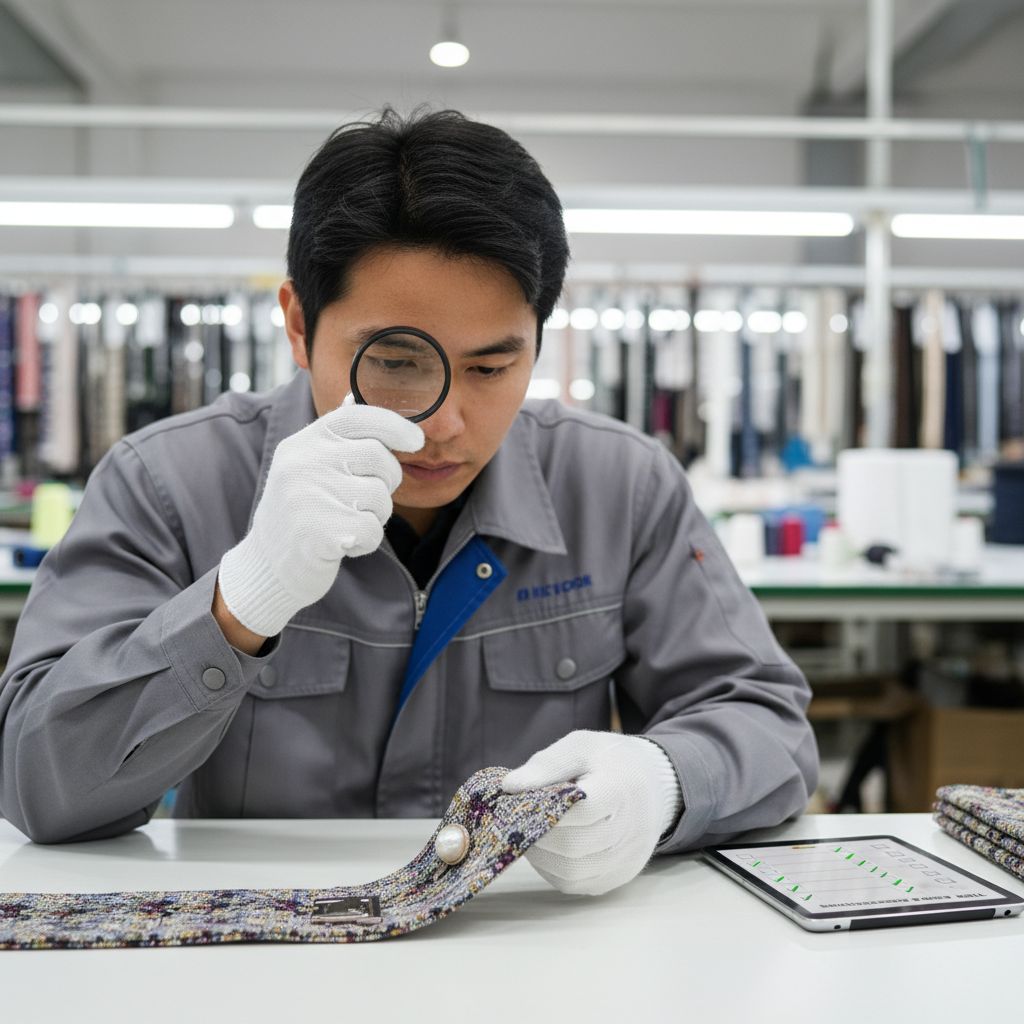
Quality Control (QC) in garment manufacturing is the process of checking finished and in-process garments to make sure they meet agreed quality standards before they reach the buyer. It focuses on the actual product, not the plan examining stitching, measurements, appearance, and packaging. QC acts as the final safety net, catching defects that slip through production. Without QC, even a well-designed garment process can still deliver inconsistent or unacceptable products.
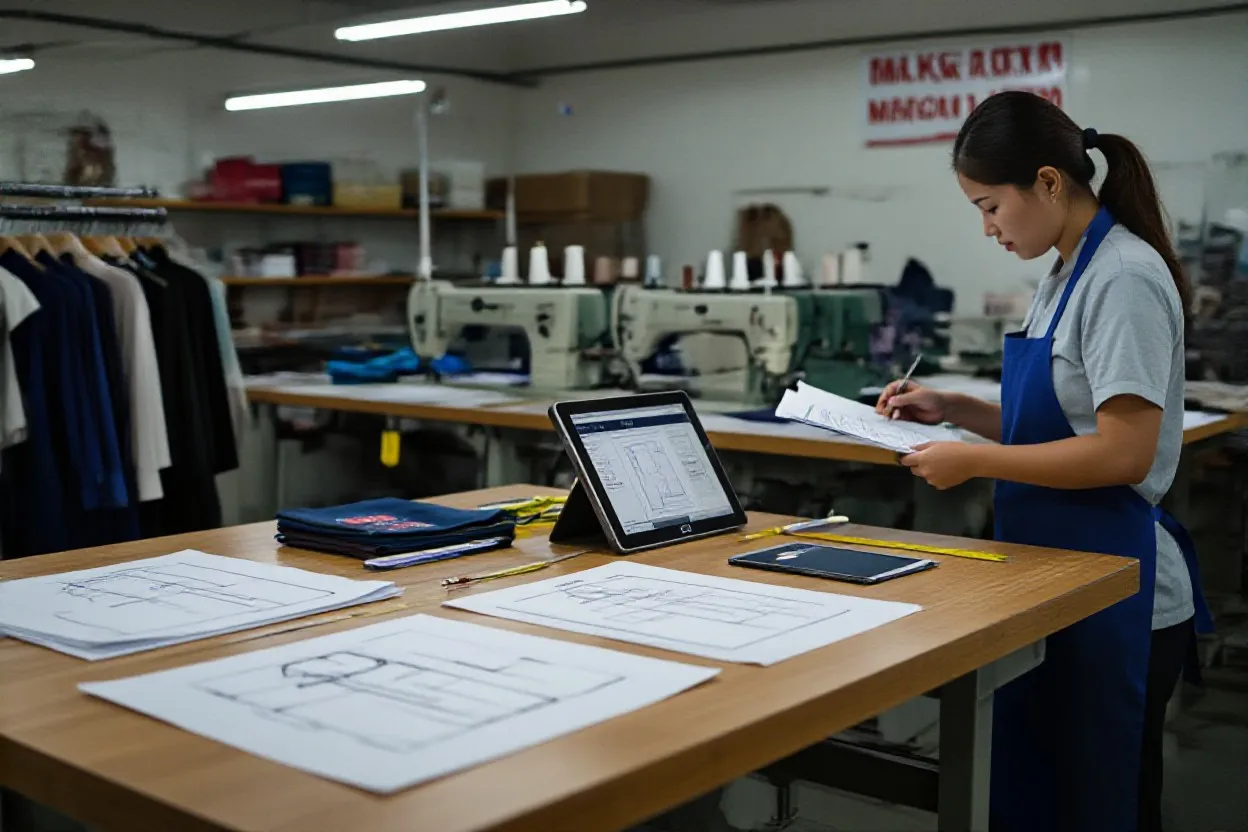
Quality Control (QC) is the set of activities that:
- inspect garments during and after production
- compare them against agreed standards
- sort them into accept, repair, or reject
- provide data about defects and quality level
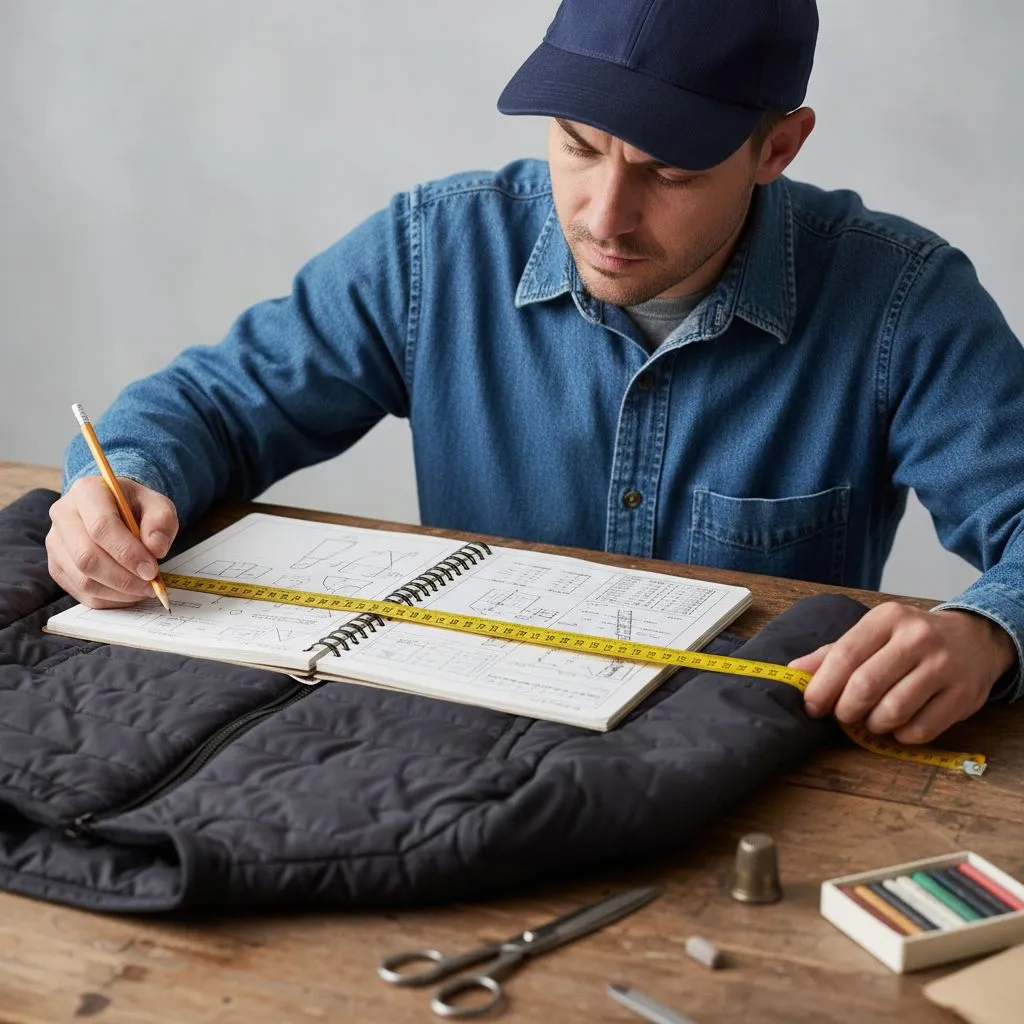
QC is product-focused. It looks at:
- how the garment looks
- how it measures
- how it is packed and labeled

It does not decide the sewing method or machine settings. That is QA’s job.
Why QC Is Critical (Even If You Have QA)
A strong QA system reduces risk, but it does not eliminate human error. Machines drift, operators change habits, fabrics behave differently from roll to roll and those problems only show up once real garments are being made. That’s why QC is critical: it detects reality, not intentions. Relying on QA alone is like trusting a recipe without tasting the food. QC is the proof step that protects shipments, timelines, and your brand when production doesn’t go exactly as planned. You might think: “If our QA is strong, we don’t need much QC.”
Nice dream. But real life is messier:
- People get tired.
- Machines go out of adjustment.
- Fabric rolls change.
- New styles behave in new ways.
Even with very good QA, some defects will always appear. QC:
- stops those defects from reaching the customer
- shows where and how often problems happen
- gives the data that QA needs to improve the process
If you say “We trust our process, we don’t need QC,” you’re not confident. You’re blind.
Where QC Sits in the Production Flow
QC is not a single checkpoint at the end of production it is spread across multiple stages where real garments exist. It appears during sewing, finishing, and packing to catch defects as early as possible, before they multiply or reach the customer. By placing QC at key handover points in the production flow, factories reduce rework, control damage, and prevent small mistakes from turning into shipment-level failures. QC is not just “one big inspection at the end.” It shows up at several steps.
Incoming material QC

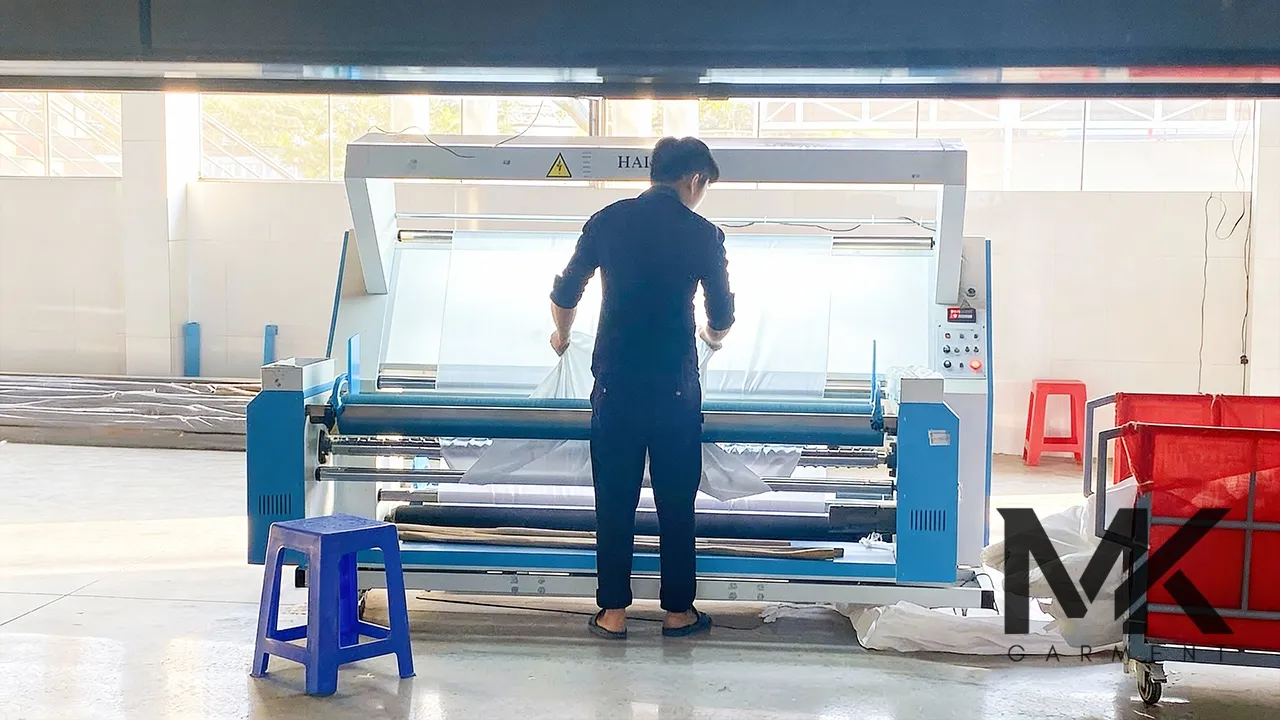
Before garments are even cut, QC (often with QA) can check:
- fabric: holes, stains, shade variation, width, weight
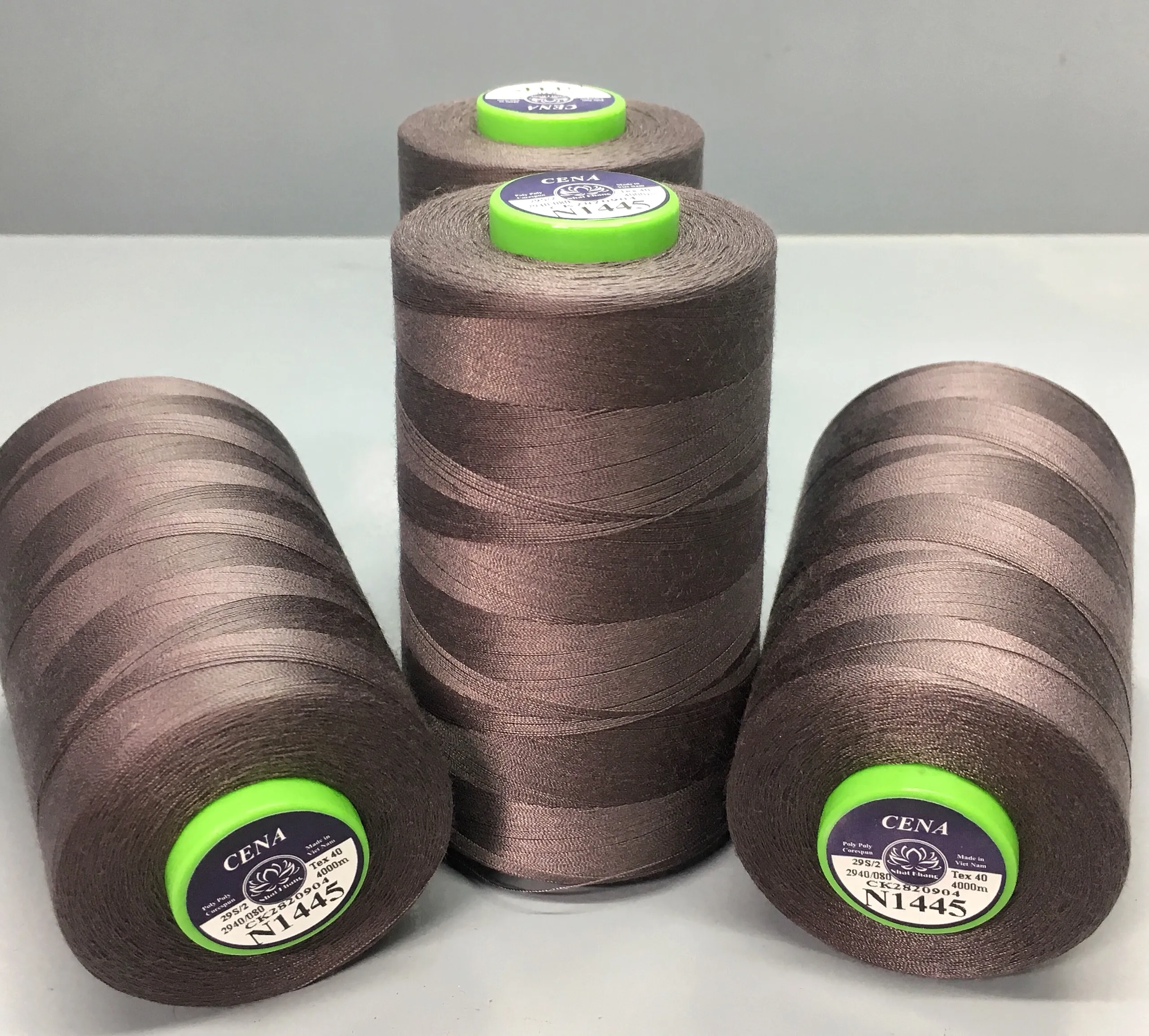
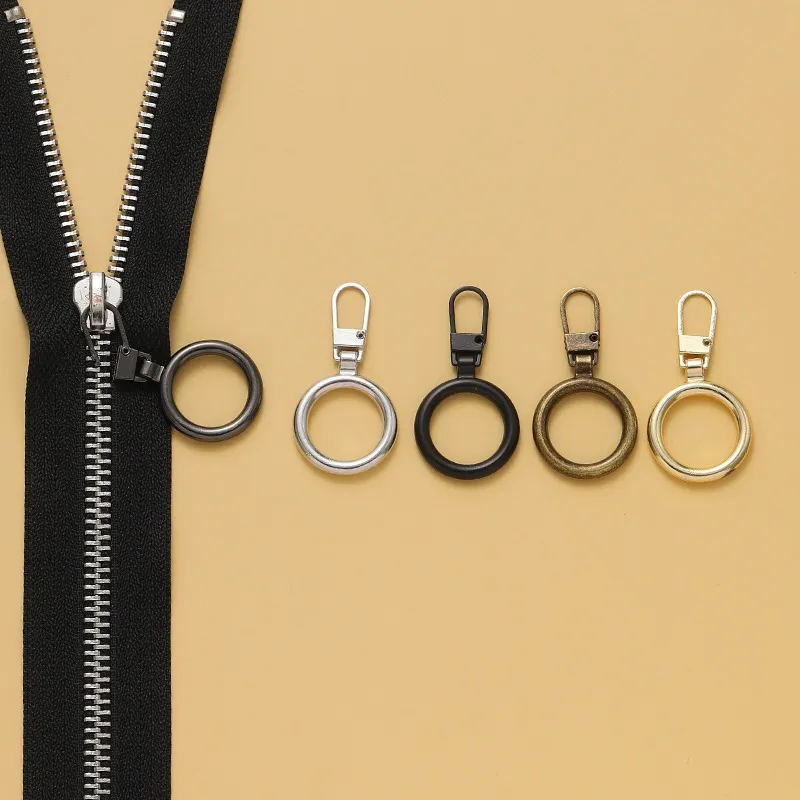
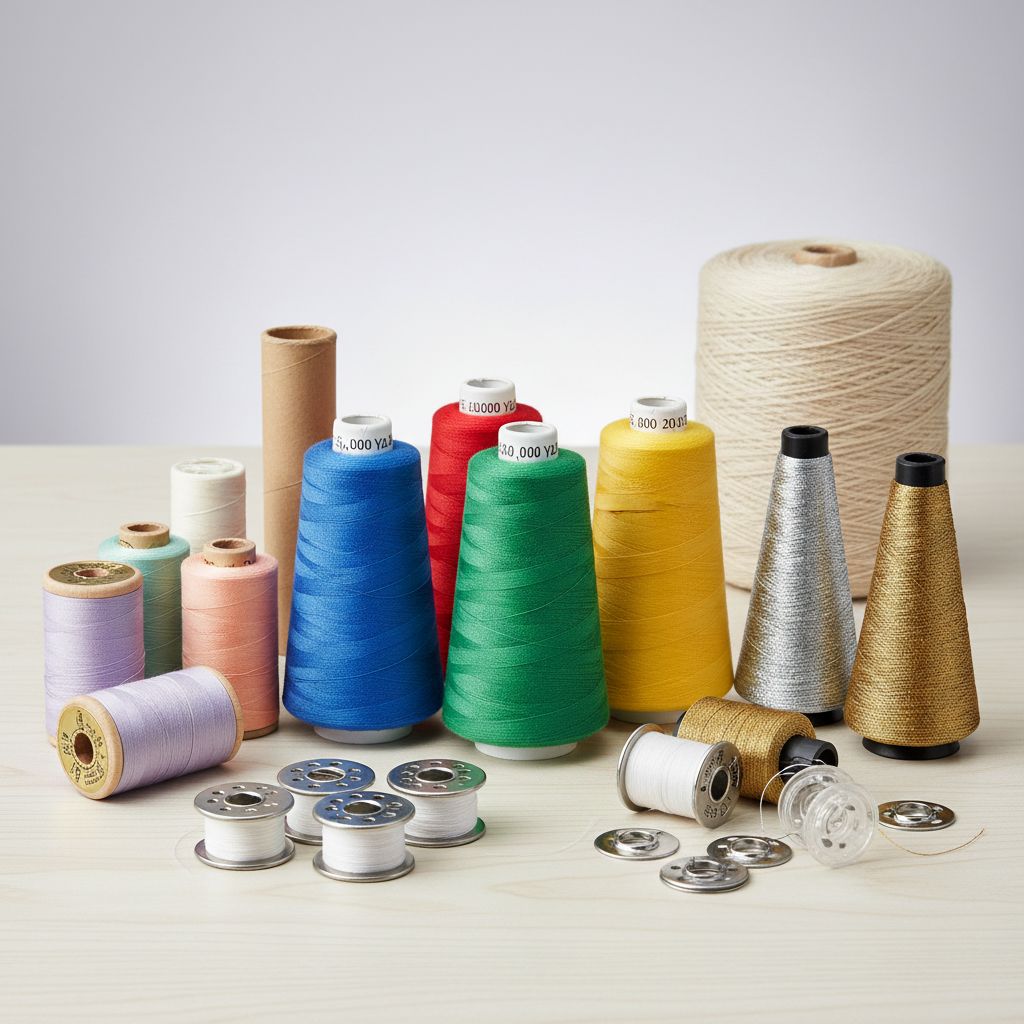
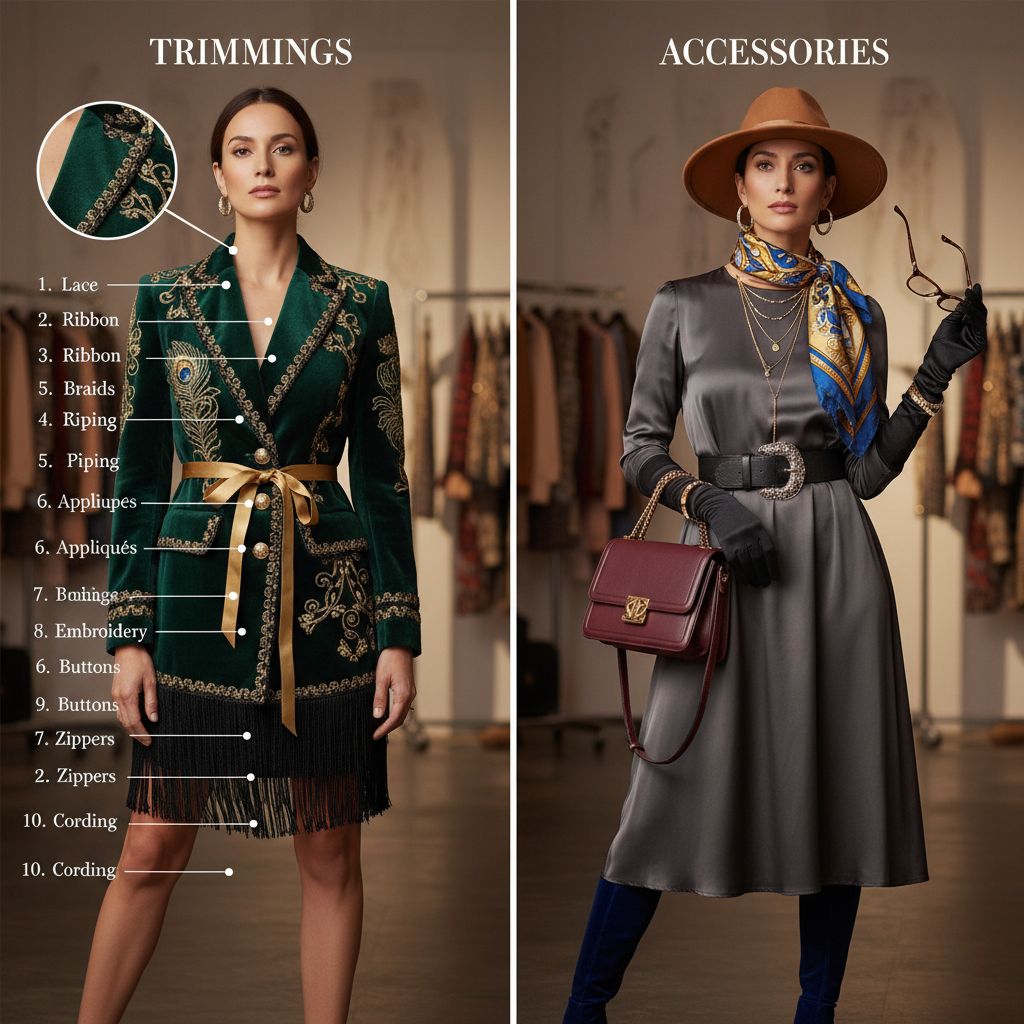
- trims: buttons, zippers, labels, tapes
- prints / embroideries: clarity, position, colour issues
This overlaps with fabric inspection, which is a systematic check of fabric quality (colour, weight, defects, shading, etc.) before garment production.
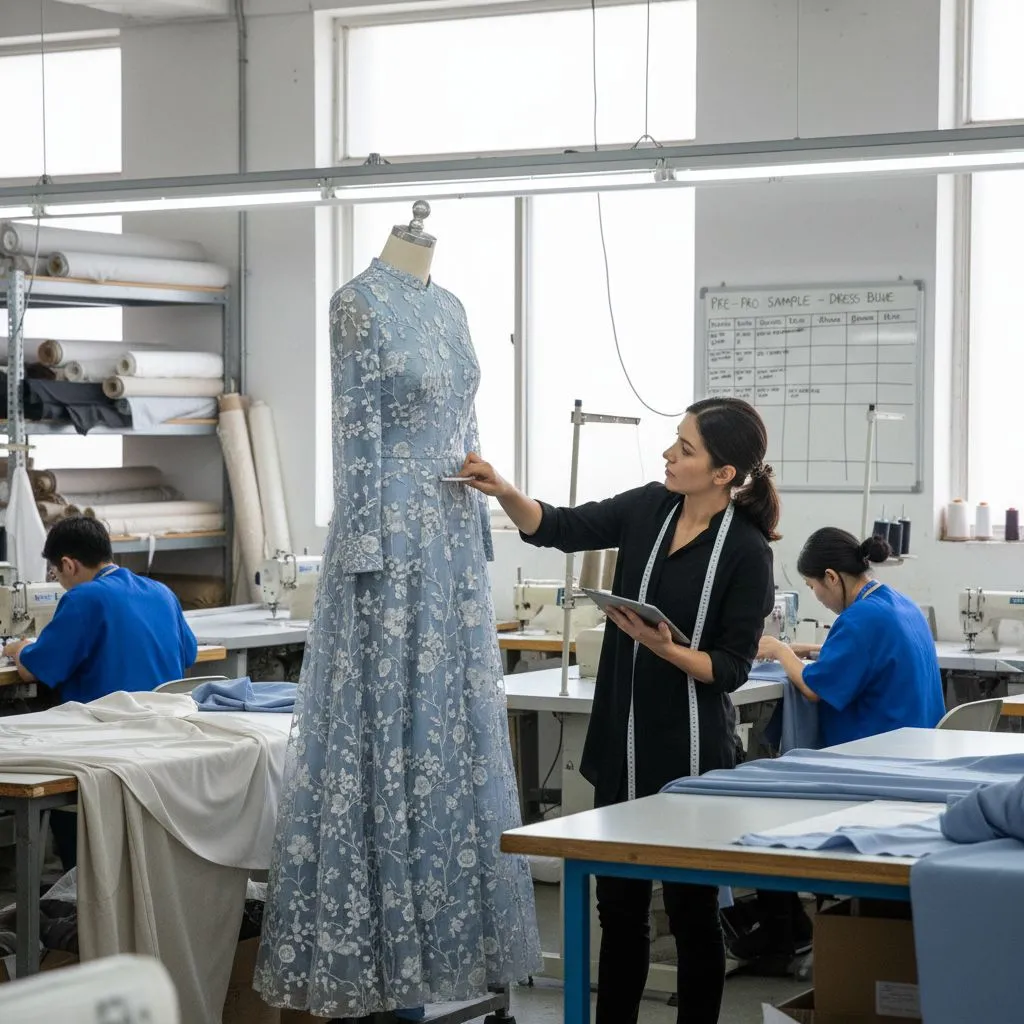
In-line QC (during sewing)
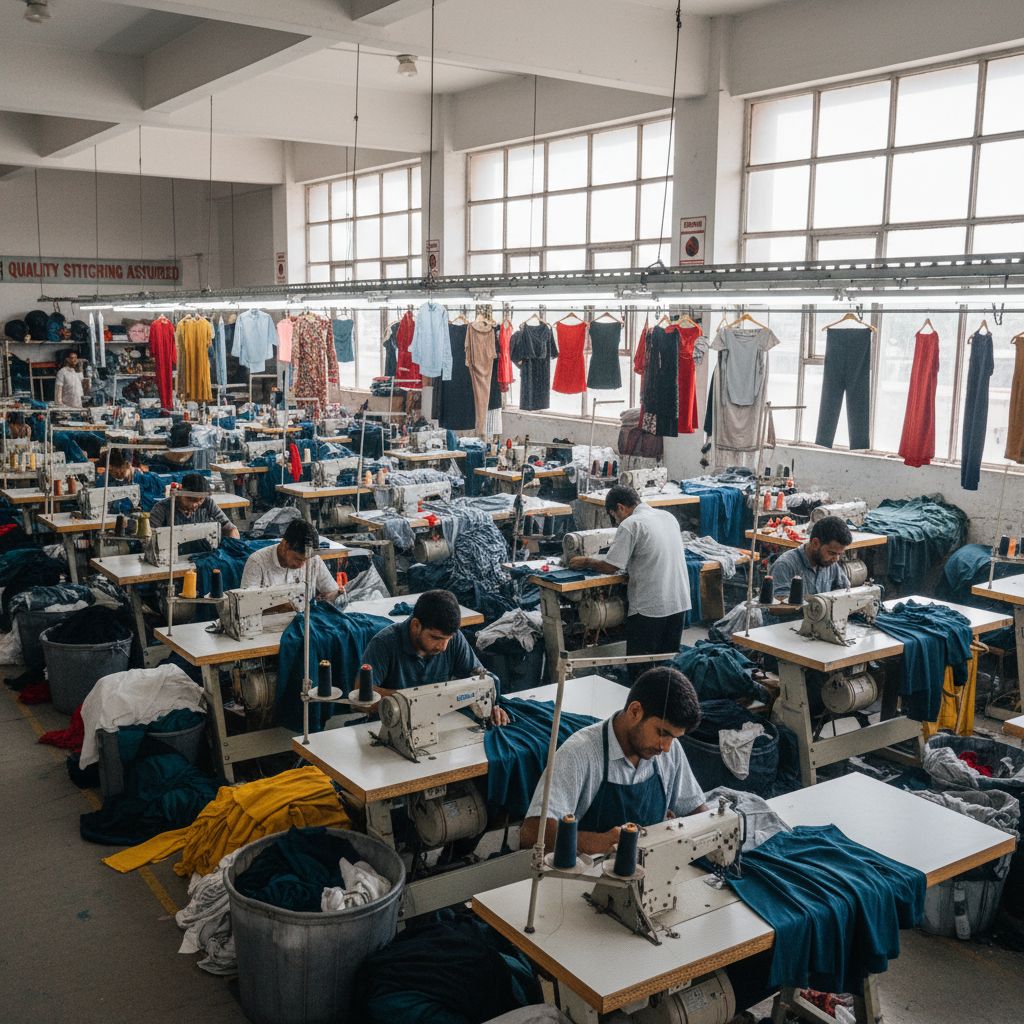
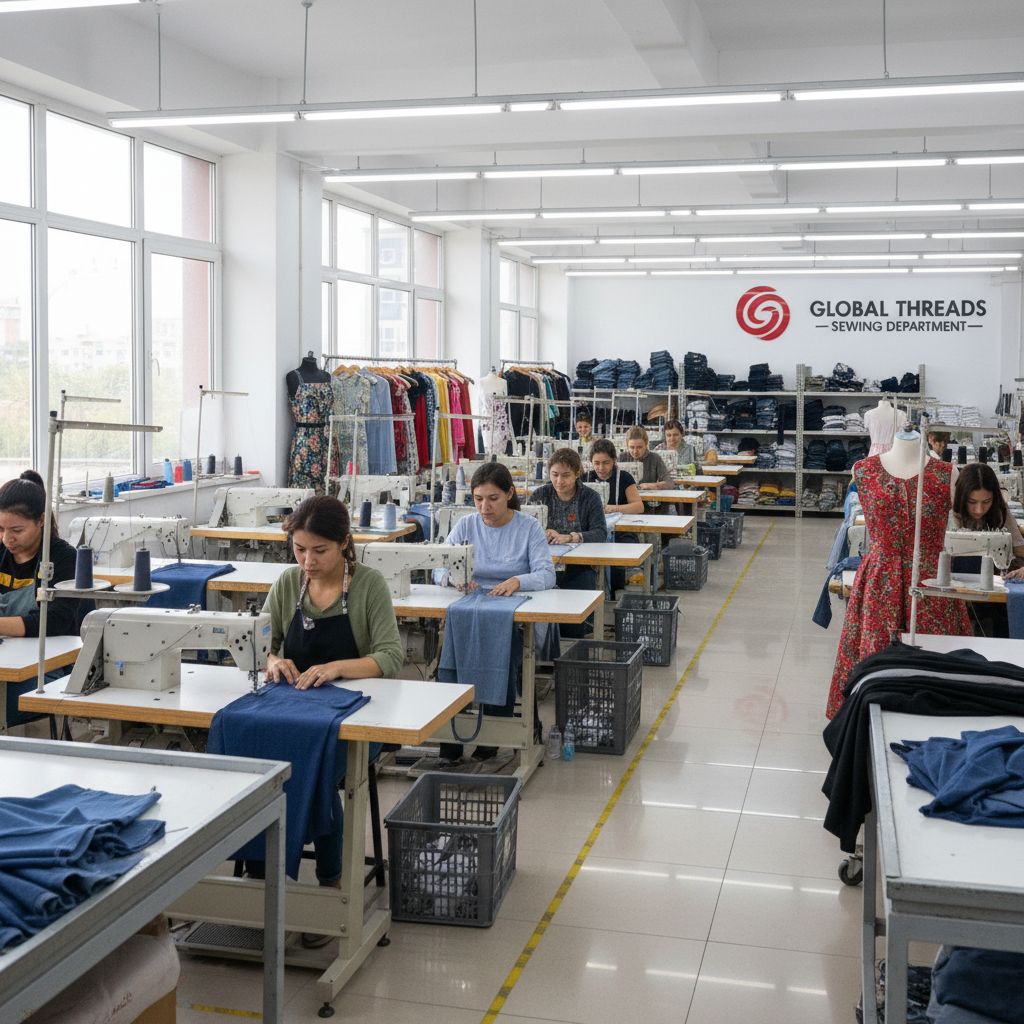
QC checks parts while sewing is happening:
- front panels, collars, sleeves, pockets, waistbands, etc.
- checks for open seams, skipped stitches, broken threads, wrong labels, mis-attached parts
The goal here: catch defects early, when they are easier and cheaper to fix.

End-line QC (after sewing, before finishing)
At the end of the sewing line:
- check whole garments
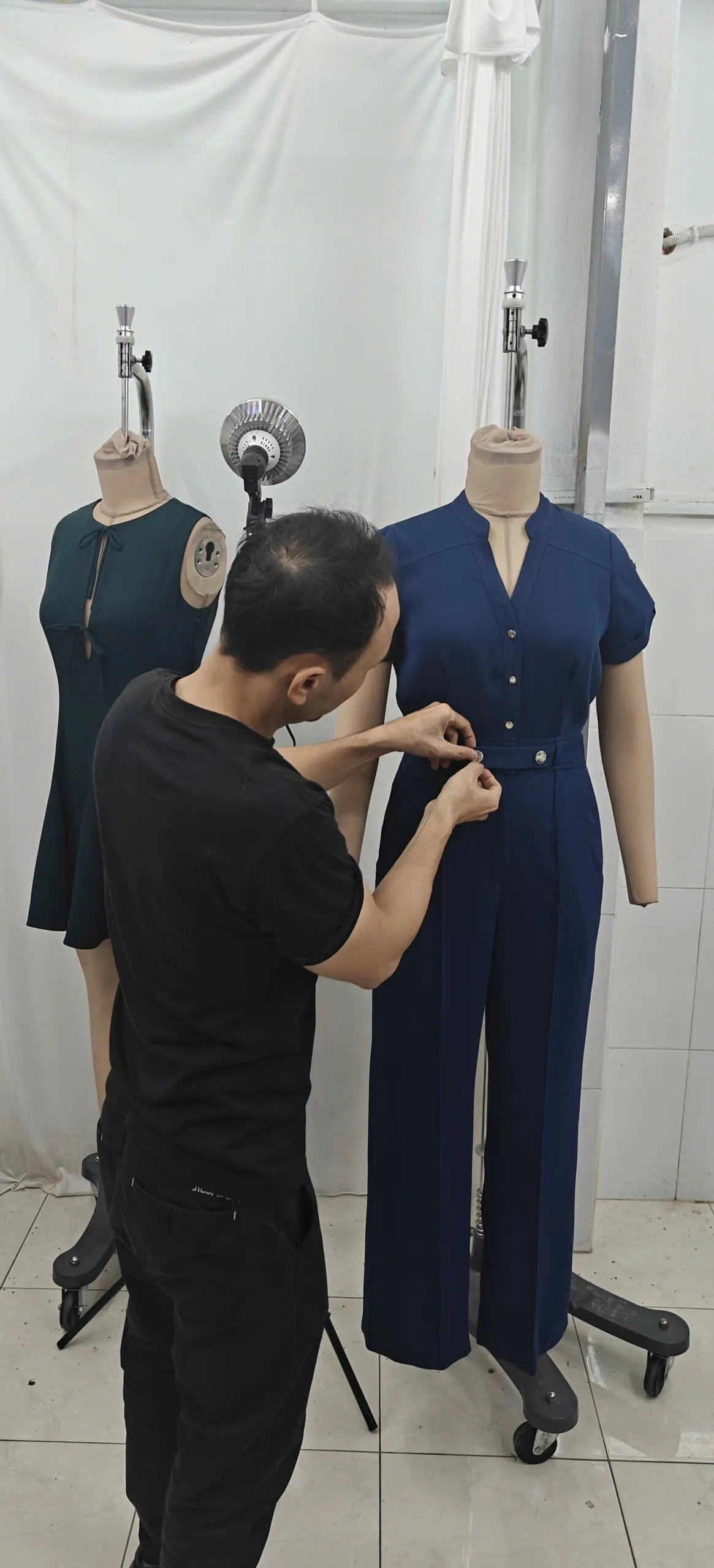
- measure key points (chest, length, sleeve, waist)
- check balance (left vs right)
- find visible defects (puckering, twisting, seam slant, miss-match)
Pieces with defects are sent to repair or rejection.

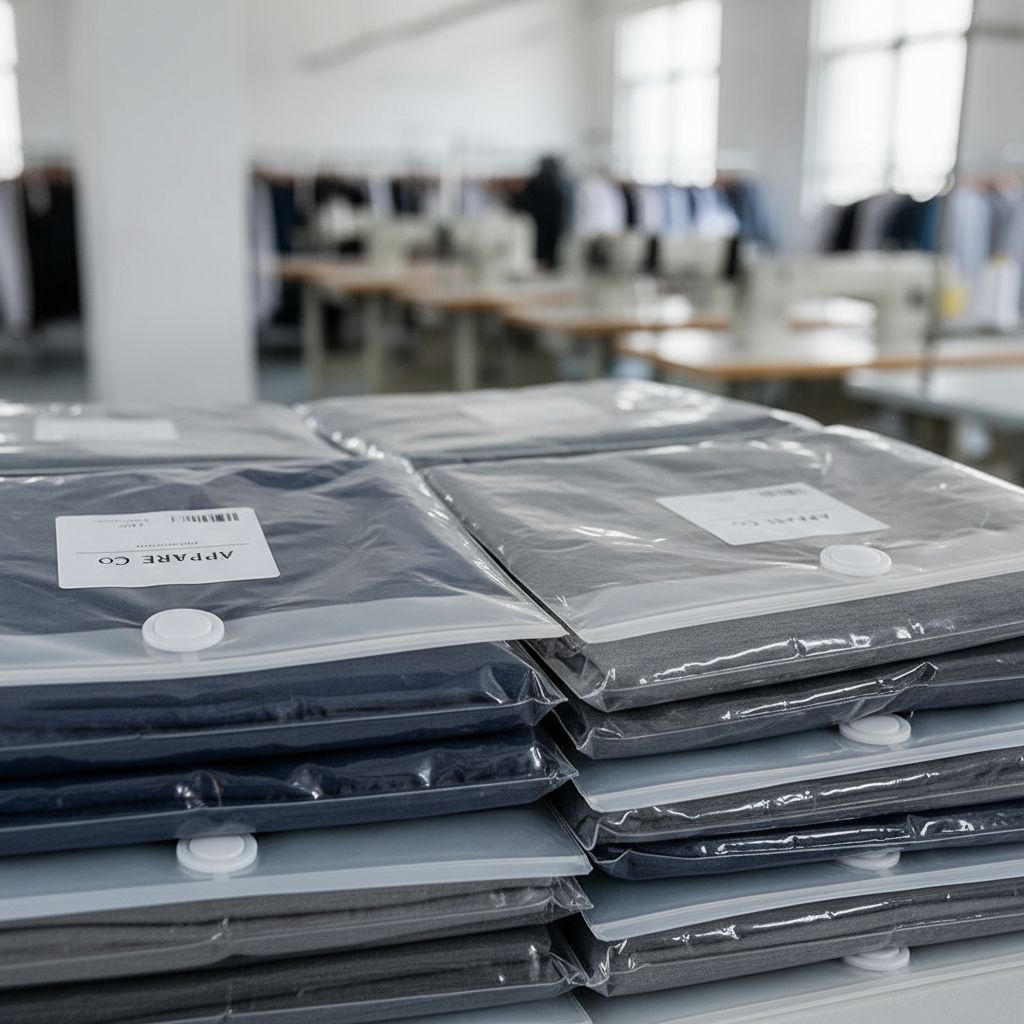
Final QC / Pre-shipment inspection
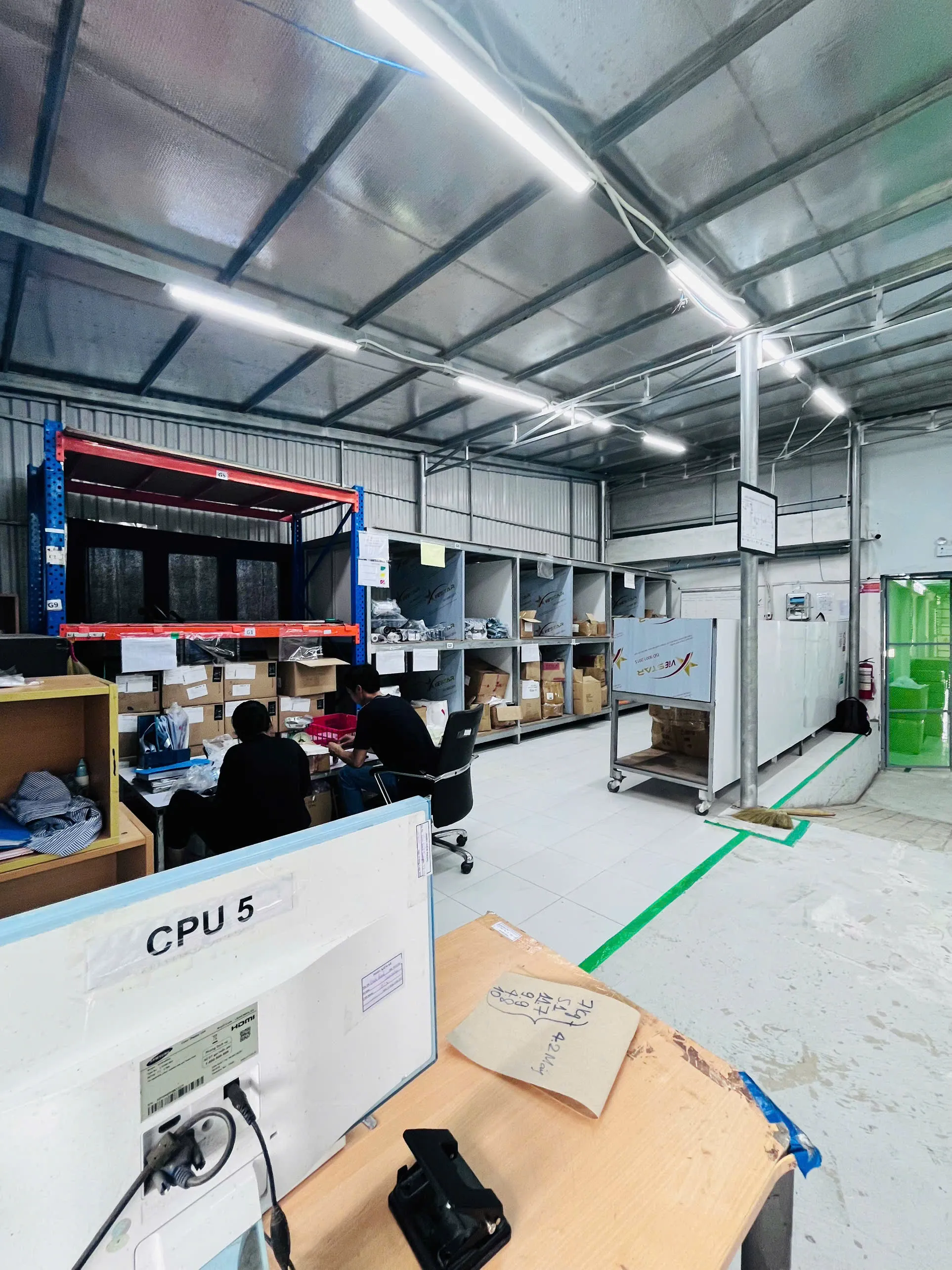
Final QC, also called pre-shipment inspection, is the last quality gate before garments leave the factory. At this stage, production is complete and items are fully finished, packed, and ready for delivery. The goal is simple but critical: confirm that what is being shipped truly matches the approved standard. This inspection protects both the brand and the buyer. Once goods are shipped, quality problems become expensive disputes instead of fixable issues. This usually happens when:
- at least ~80% of the order is finished and packed
- cartons are ready or almost ready
Inspectors pick a sample of cartons and garments using acceptance sampling rules (often based on AQL and standards like ISO 2859-1). This is sometimes called pre-shipment inspection (PSI) or final random inspection (FRI) in international trade

Conclusion/ Final Words
In garment manufacturing, QC is not an optional extra, it is the control point that protects the shipment, the buyer, and your brand. QA helps build a good process, but QC is what checks the real result when fabric, machines, and people don’t behave perfectly. From incoming materials to in-line checks, end-line inspection, and final pre-shipment control, each QC stage plays a role in catching defects before they become customer complaints or costly returns.
The most important takeaway is simple: QC does not replace QA, and QA does not replace QC. Strong factories use both. QA reduces risk, and QC confirms reality. When these two systems work together, factories can improve consistency, reduce rework, ship with confidence, and build long-term trust with buyers. If you want reliable garment quality at scale, don’t ask whether you need QC, ask whether your QC is placed at the right stages, using the right standards, and feeding the right data back into improvement.
FAQs About QC in Garment Manufacturing
In Short, What does QC mean in garment manufacturing?
QC (Quality Control) in garment manufacturing means checking real garments during and after production to make sure they meet agreed quality standards before shipment. It focuses on the actual product, including stitching, measurements, appearance, and packaging.
What is the difference between QC and QA in garment production?

QA (Quality Assurance) focuses on preventing defects through process control, while QC focuses on finding defects in actual garments and stopping bad pieces from reaching the buyer. In simple terms: QA builds the system, QC checks the result.
Why is QC still important if a factory already has strong QA?
Even with strong QA, real production can still create defects because people get tired, machines drift out of adjustment, fabric rolls vary, and new styles behave differently. QC catches these real-world issues before shipment.
What does QC inspect on a garment?
QC typically checks: garment appearance, measurements, packing and labeling… It also compares garments against agreed standards and helps classify pieces as acceptable, repairable, or rejectable.
Is QC only done at the end of production?
No. QC is not just one final inspection. It is spread across multiple stages in the production flow so defects can be caught earlier, when they are easier and cheaper to fix.
What is incoming material QC in garment manufacturing?
Incoming material QC happens before cutting. It checks fabric and trims (such as buttons, zippers, labels, and tapes), and may also check prints/embroideries for clarity, placement, and color issues.
What is in-line QC during sewing?
In-line QC is performed while sewing is in progress. Inspectors check garment parts (such as panels, sleeves, collars, pockets, and waistbands) and look for defects like open seams, skipped stitches, broken threads, wrong labels, or mis-attached parts
What is end-line QC?
End-line QC takes place after sewing and before finishing. It checks whole garments, verifies key measurements (such as chest, length, sleeve, and waist), checks left/right balance, and looks for visible defects like puckering, twisting, seam slant, or mismatches.
What happens to garments that fail QC?
In-line QC is performed while sewing is in progress. Inspectors check garment parts (such as panels, sleeves, collars, pockets, and waistbands) and look for defects like open seams, skipped stitches, broken threads, wrong labels, or mis-attached parts.