Vietnam Labor Costs in 2025: Minimum Wage, Living Expenses, and Worker Priorities

Vietnam’s minimum wage in 2025 has risen again. To understand what these numbers truly mean for the apparel industry, it’s helpful to look at the real cost of living and the core values of Vietnamese factory workers. Below is a clear explanation of how wages, living costs, and workplace expectations fit together in today’s manufacturing landscape.
Cost of Living Basics in Vietnam (2025)
To put the 2025 minimum wage into perspective, let’s look at common daily expenses in Vietnam. These figures show why a base salary alone is often not enough for a comfortable life:
- Vietnamese Coffee: ~14,000 VND
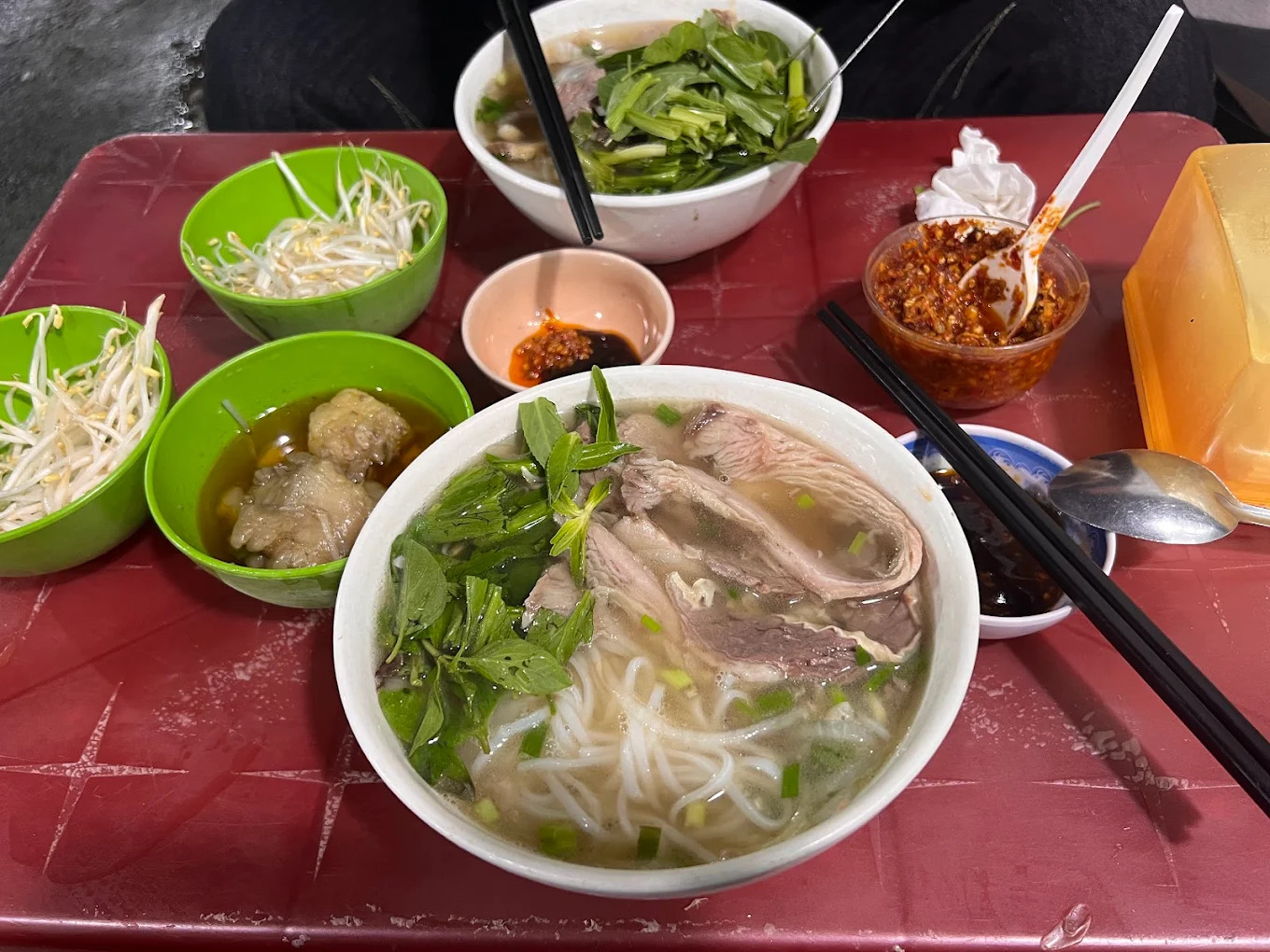
- Bowl of Phở: ~40,000 VND
- Basic Haircut: ~80,000 VND
- Public Bus Ticket: ~12,000 VND
- Monthly Rent (Single Room): ~2,500,000 VND
Vietnam Minimum Wage 2025 by Region
The Vietnamese government sets four different minimum wage levels based on a region’s economic development. For 2025, the monthly rates for employees under labor contracts are:
| Region | Monthly Minimum Wage | Typical Locations |
|---|---|---|
| Region I | 4,960,000 VND | HCMC, Hanoi, Hai Phong, Thu Dau Mot |
| Region II | 4,410,000 VND | Da Nang, Can Tho, rural districts of HCMC/Hanoi |
| Region III | 3,860,000 VND | Medium-sized cities and provincial towns |
| Region IV | 3,450,000 VND | Rural or less-developed areas |
While these levels ensure a legal baseline, they are often considered low compared to the real needs of workers, especially those supporting families in rural provinces.
Why Mekong Garment Pays Above the Minimum
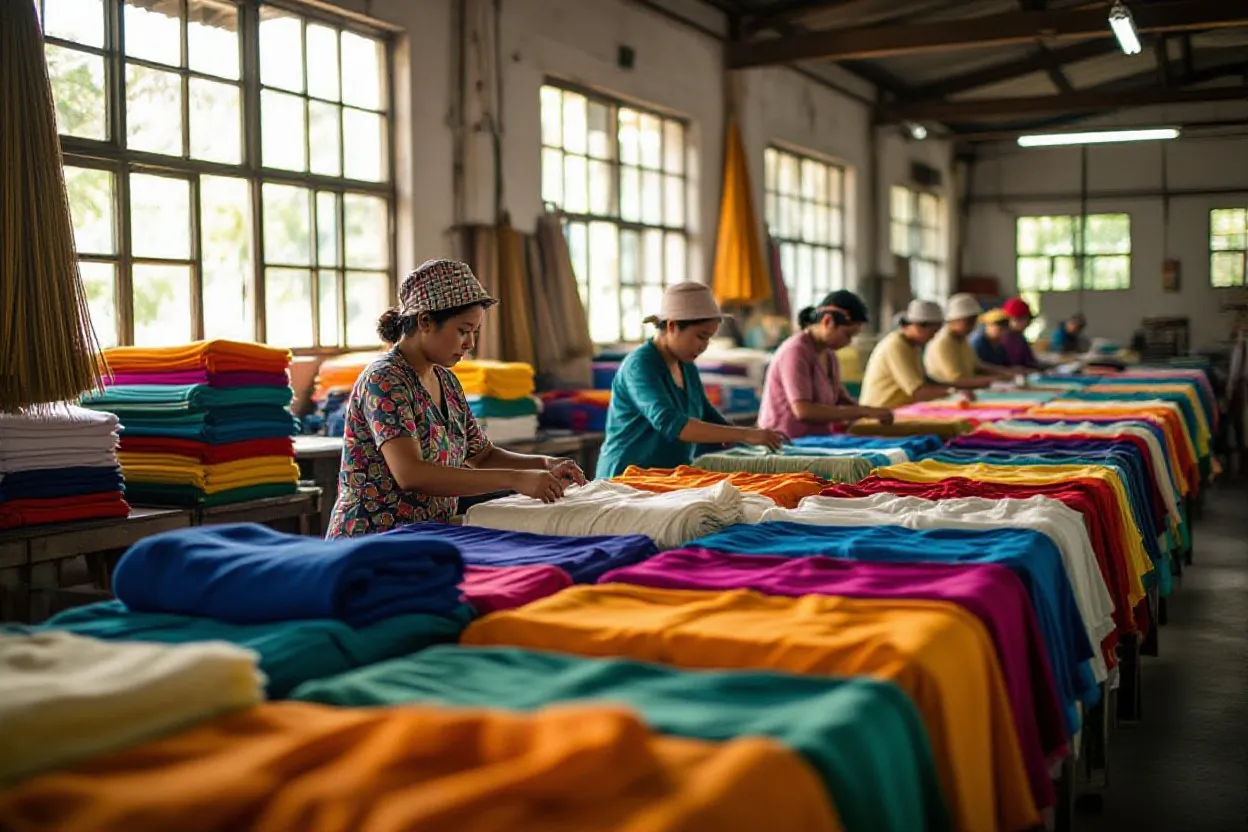
At our factory, we recognize that skilled sewing workers are our greatest asset. To attract top talent and maintain low turnover, we ensure our average salary is significantly higher than the 2025 regional minimum. Higher wages translate to better focus, higher garment quality, and long-term stability for our production lines.

=> Related Article: Vietnam-EU Relations: Future of the Garment Industry

The Cultural Reality: Why Overtime (OT) Matters
In Western markets, reducing working hours is often the focus of social compliance. However, in Vietnam’s garment industry, workers view Overtime (OT) as an opportunity rather than a burden.
The goal for most workers is to earn as much as possible each month to send money home for their children’s education or to save for the future. If a factory does not offer enough overtime, skilled workers will often move to a factory that does. Understanding this mindset is key for international buyers to build sustainable partnerships with Vietnamese suppliers.

Conclusion
Vietnam’s 2025 minimum wage provides a legal framework, but it doesn’t tell the whole story. Stability in garment manufacturing comes from paying fair, competitive wages and respecting the worker’s desire to improve their living standards through overtime. For brands looking to source from Vietnam, acknowledging these human elements leads to a more realistic and successful collaboration. At Mekong Garment, we balance social responsibility with production efficiency to ensure both our workers and our clients thrive.