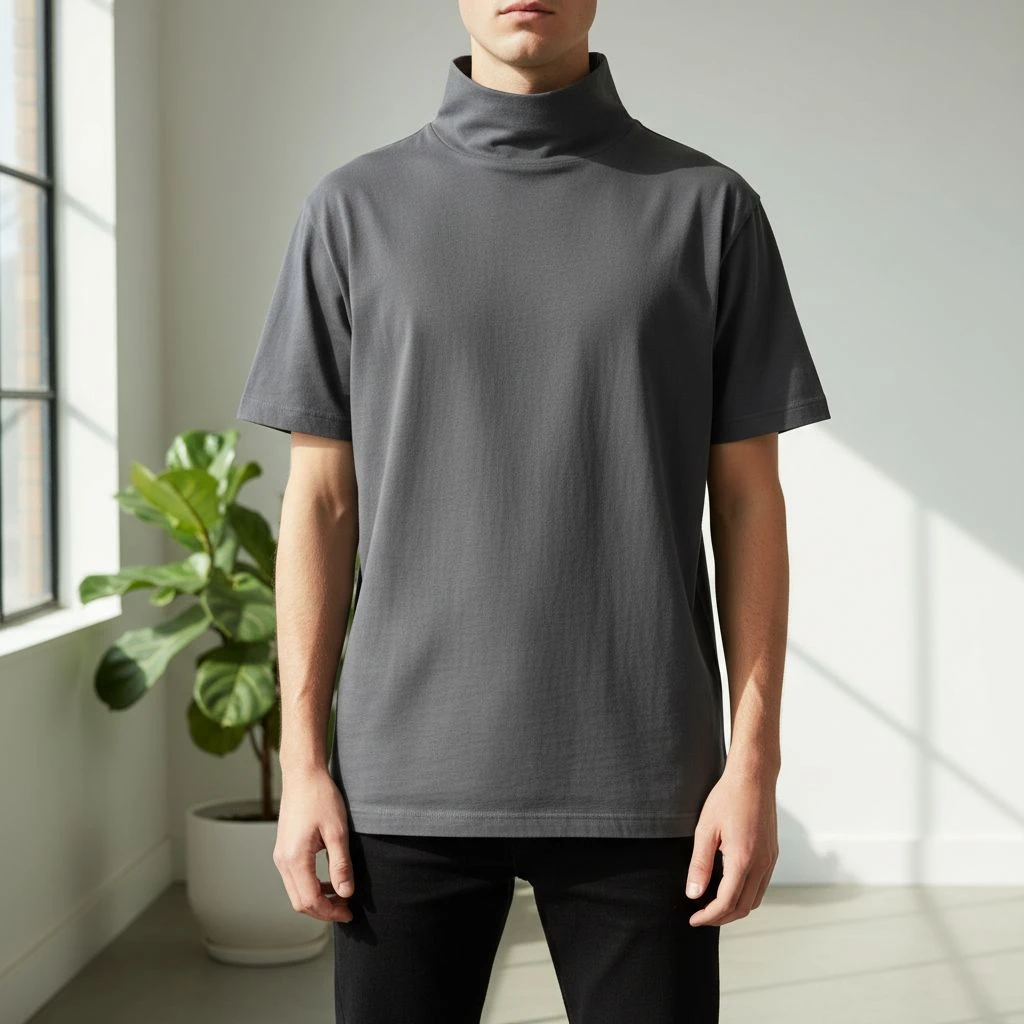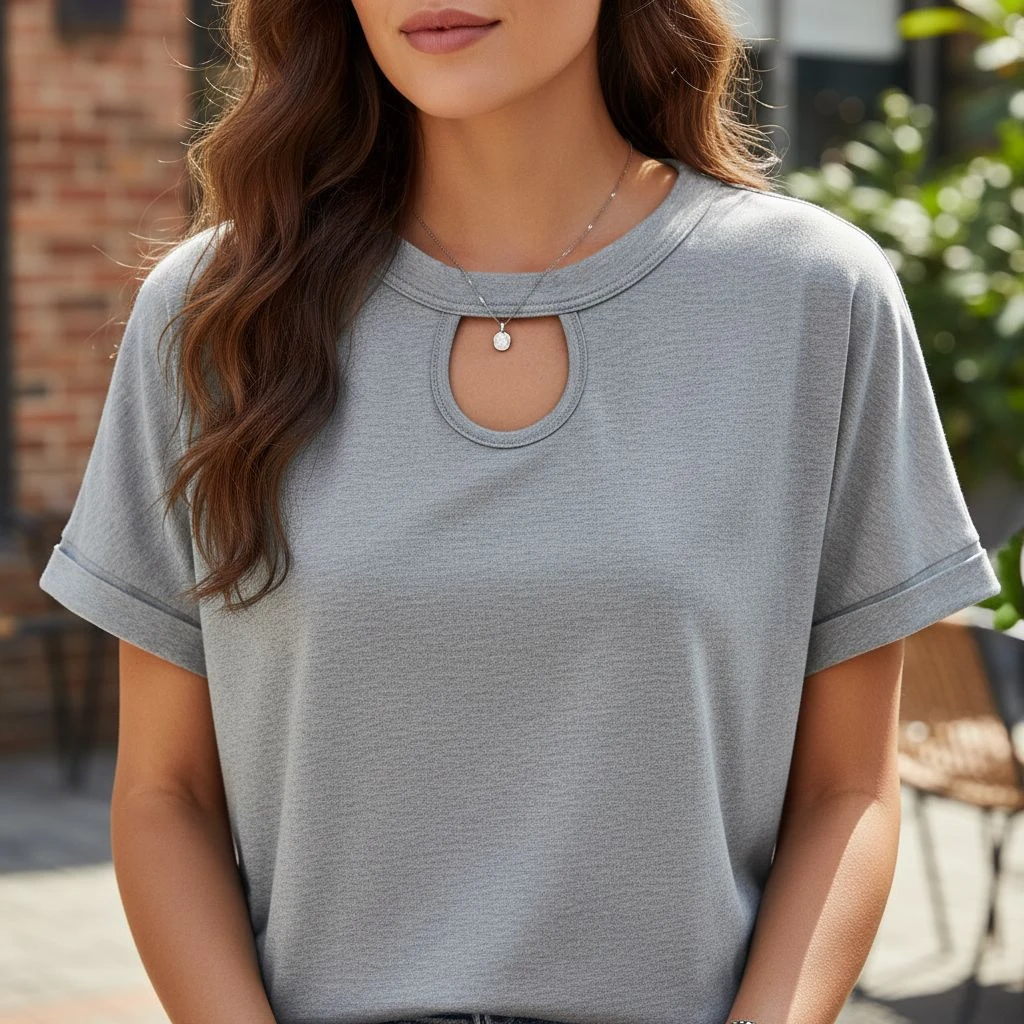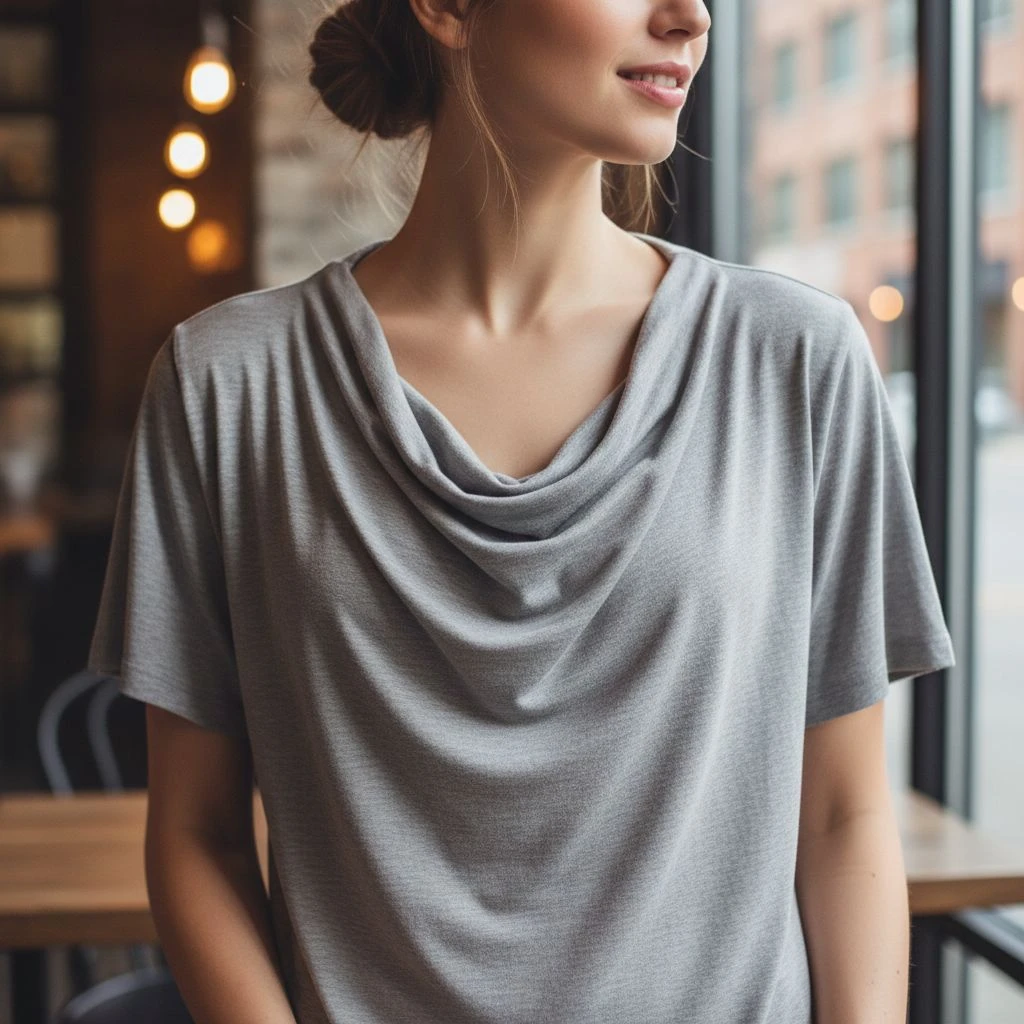

If you are looking for a reliable production partner for woven apparel, Vietnam has become one of the best places to source high-quality garments at competitive prices. For brands, importers, and private labels, working with a full-service woven garment manufacturer in Vietnam can simplify the entire production process, reduce communication gaps, and help bring products to market faster.
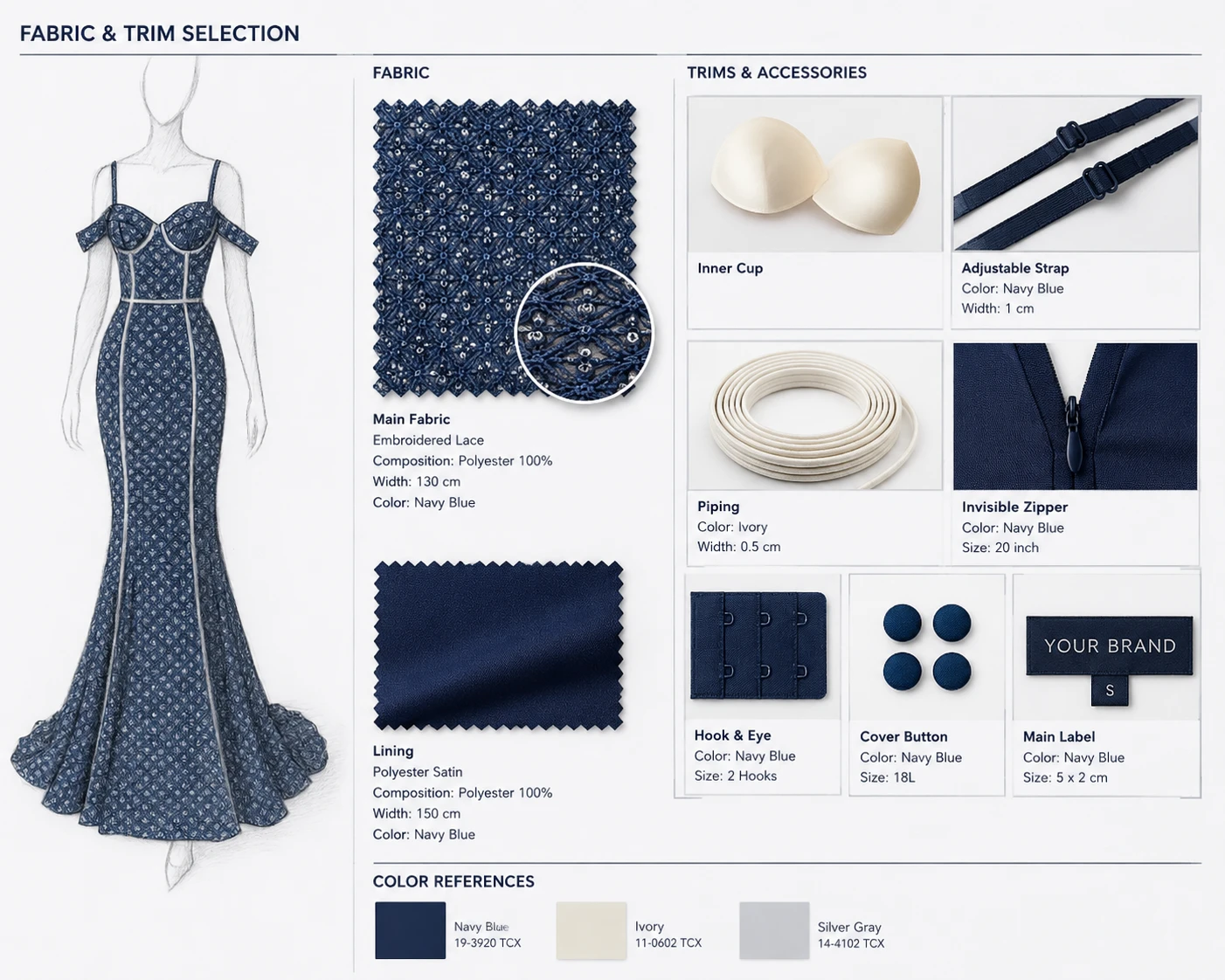
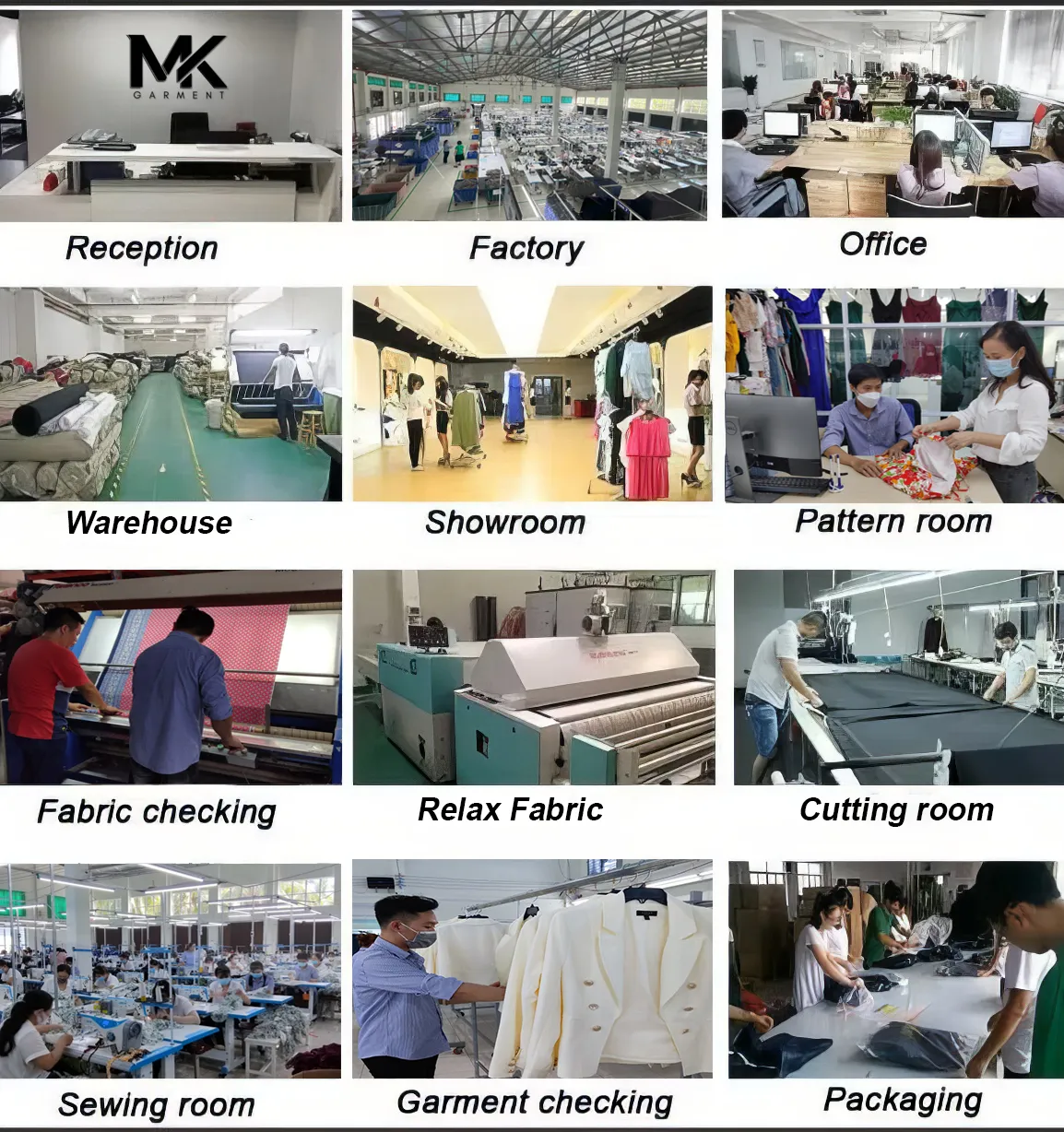
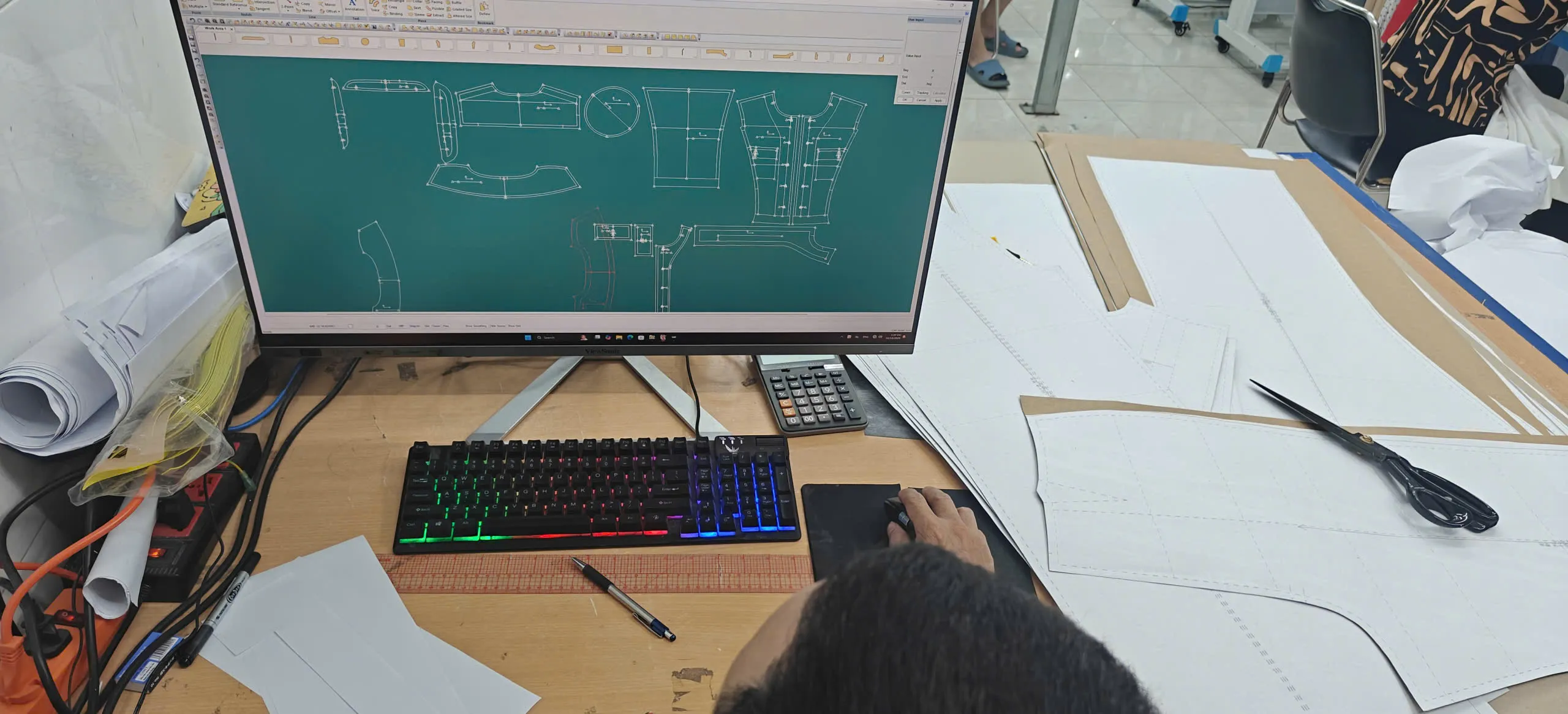
At Mekong Garment, full-service manufacturing means supporting customers from the early development stage all the way to final production, packing, and shipping coordination. Mekong Garment presents itself as a full-service manufacturer in Vietnam and lists services including fabric sourcing, trim sourcing, pattern and grading, CMT, CMPT, full-package OEM/FOB production, and shipping assistance.
What Is Full-Service Woven Garment Manufacturing?
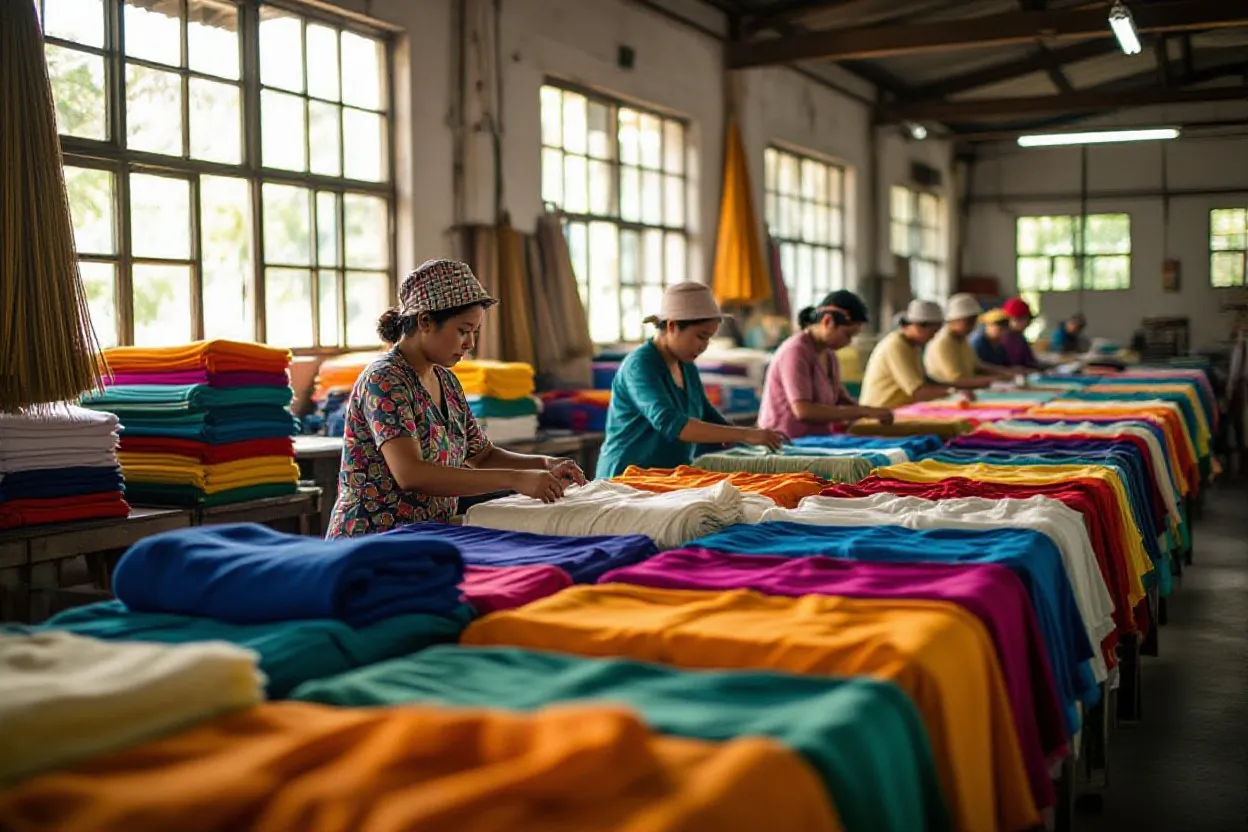
Full-service woven garment manufacturing is a complete production solution for apparel brands that want one supplier to manage multiple stages of the garment process. Instead of dealing with separate vendors for sourcing, sample development, cutting, sewing, finishing, packing, and export support, the buyer works with one coordinated manufacturing partner.
Why Vietnam Is a Strong Choice for Woven Garment Production
Vietnam offers a useful mix of production experience, export capability, and flexible service levels. Woven apparel usually demands more structure and precision than basic knit programs, especially for fashion pieces that need clean lines and stable sizing. Mekong Garment states that its production capacity is around 80,000 to 150,000 pieces per month, with standard adult MOQs around 300 – 1,000 pieces per color per style.

What Woven Garments Can Be Manufactured?
Woven manufacturing covers a wide range of categories. Depending on specialization, woven items may include:
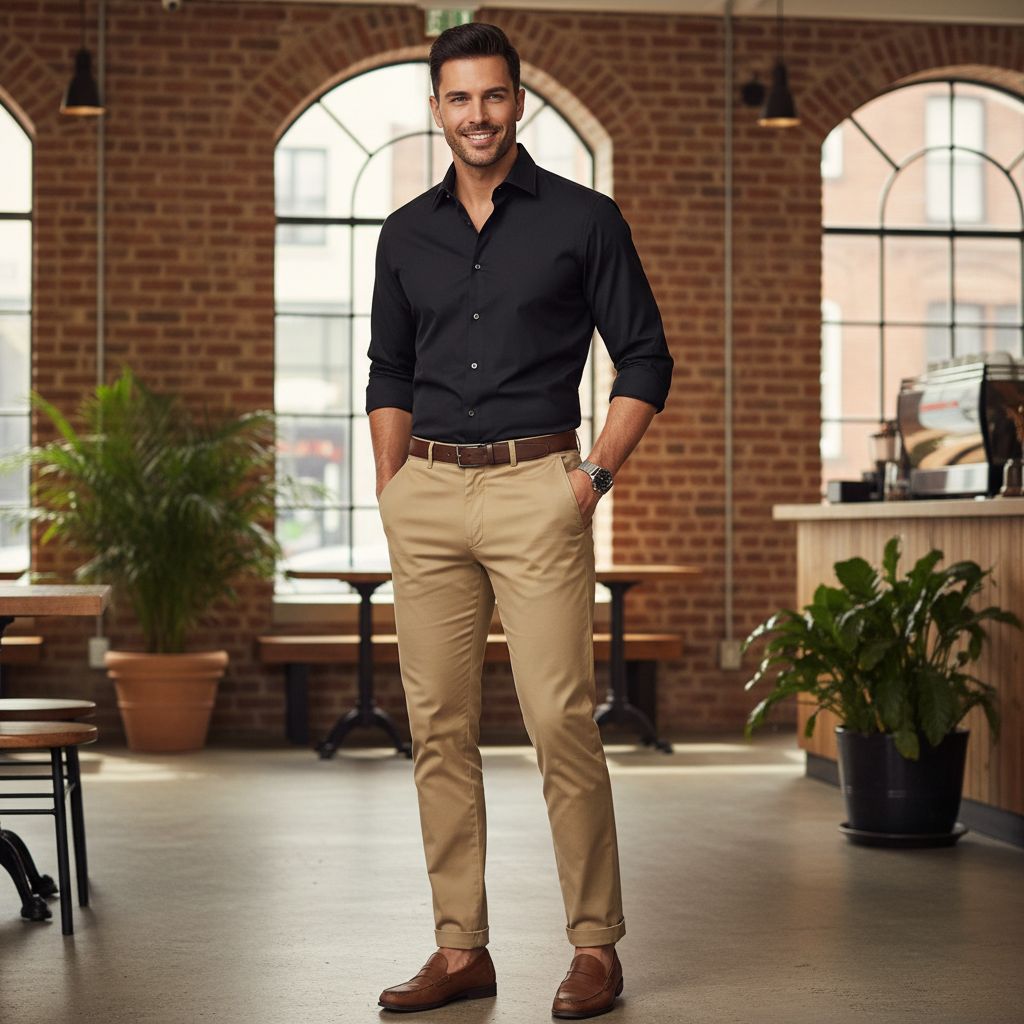
- Casual and fashion shirts
- Long, short, and fashion dresses
- Pants, trousers, and shorts
- Skirts and uniforms
- Light outerwear
The Advantage of a One-Stop Manufacturing Partner
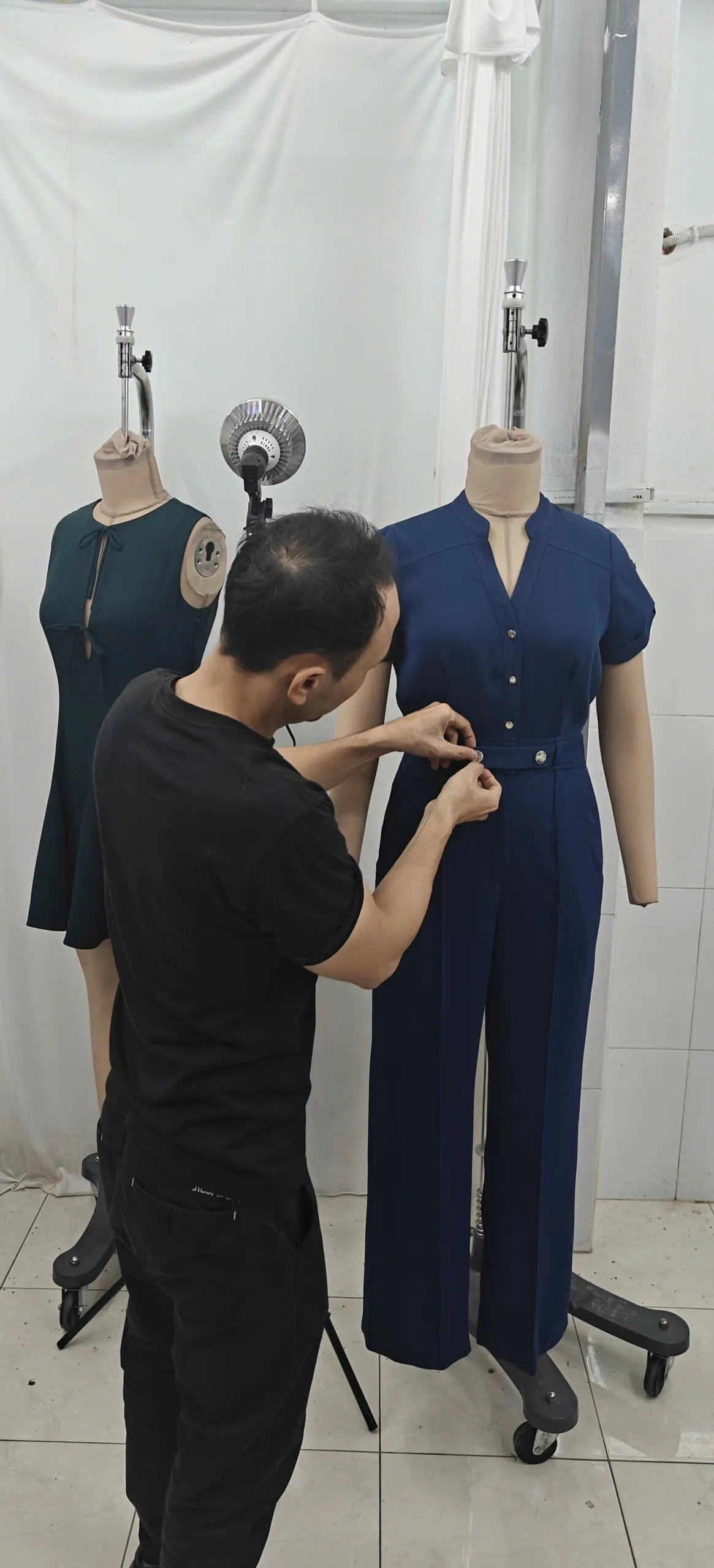
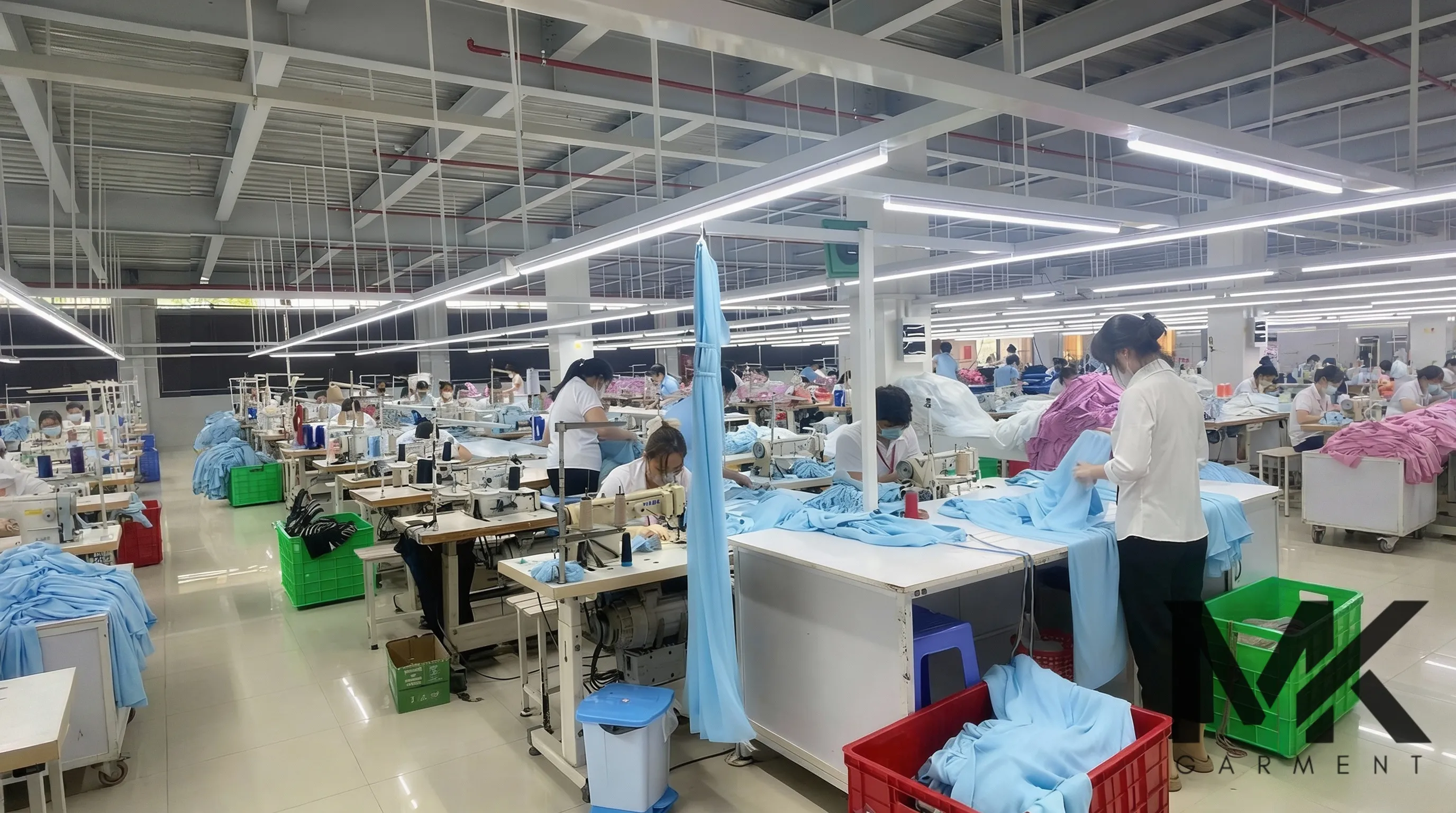
A full-service manufacturer reduces the risk of delays and errors caused by managing separate vendors. When one team oversees development, sourcing, and production, there is better control over fabric approval, fit corrections, and inline quality checks. Mekong Garment emphasizes dedicated merchandiser assistance and live production tracking for key stages like cutting and sewing.

Development Support and Quality Control
Many apparel projects fail before bulk production due to weak development support. A manufacturer that helps refine the tech pack and fit adjustments saves the buyer from larger issues later. Woven garments need consistent control throughout production. Mekong Garment states its quality level is AQL 2.5/4.0, following internationally recognized inspection benchmarks.
Sourcing, Compliance, and Delivery Flexibility
A true full-service manufacturer assists with compliance and export documentation. Mekong Garment supports multiple delivery terms including FOB and DDP and highlights audited operations tied to standards such as WRAP and SMETA 2P. This model is a great fit for startup fashion brands, private labels, and businesses moving production to a Vietnam clothing manufacturer.

Conclusion
Choosing the right factory is critical. For woven products, fit and fabric behavior need tight control. A full-service partner simplifies sourcing and ensures smoother delivery. If you are searching for a trusted partner for shirts, dresses, and pants, Mekong Garment offers a practical full-service manufacturing model designed to support brands from concept to shipment.
FAQs About Full-Service Woven Garment Manufacturing in Vietnam
What services do you provide?
We offer full-service woven garment manufacturing, which means we can support you from the very beginning of your product development all the way to finished production and shipment. This includes sourcing fabric and trims, developing patterns, making samples, handling bulk production, managing quality control, and supporting packing and shipping. If you already have your own materials and only need sewing, we can also work on a CMT basis, but most clients prefer full-service because it reduces coordination issues and helps avoid mistakes.
What is your minimum order quantity?
Our standard minimum order quantity is around 1,000 pieces per style per color. That said, we understand that not every brand is at the same stage, so we may offer flexibility for new developments or growing brands depending on the situation. However, it is important to understand that lower quantities usually lead to higher costs per unit, so finding the right balance between quantity and price is key.
What types of woven garments do you produce?
We specialize in a wide range of woven apparel such as shirts, dresses, pants, trousers, skirts, and uniforms. Our experience covers both casual and fashion products, especially in women’s wear. If your product involves more complex construction, it is always better for us to review it first to confirm feasibility and production approach.
What do I need to start a project?
The best starting point is a detailed tech pack, as it helps us understand your exact requirements. If you do not have one, a reference sample or even a clear design sketch with measurements can work. We can support development, but when initial information is unclear, the sampling process will take longer because more adjustments are needed.
How long does sampling take?
Sampling time depends on the complexity of the product, but typically a fit sample takes around one to two weeks, while a pre-production sample may take a bit longer. In many cases, delays are not caused by production itself but by unclear feedback or frequent design changes, so a clear and consistent approval process will help keep timelines on track.
What is your production lead time?
Production usually takes between 75 to 110 days. This timeline depends heavily on fabric availability, sample approvals, and how quickly decisions are made during the process. If materials are already available locally, production can move faster. It is important to understand that garment production is not just sewing; preparation and approvals play a big role in timing.
Can you help with fabric and trim sourcing?
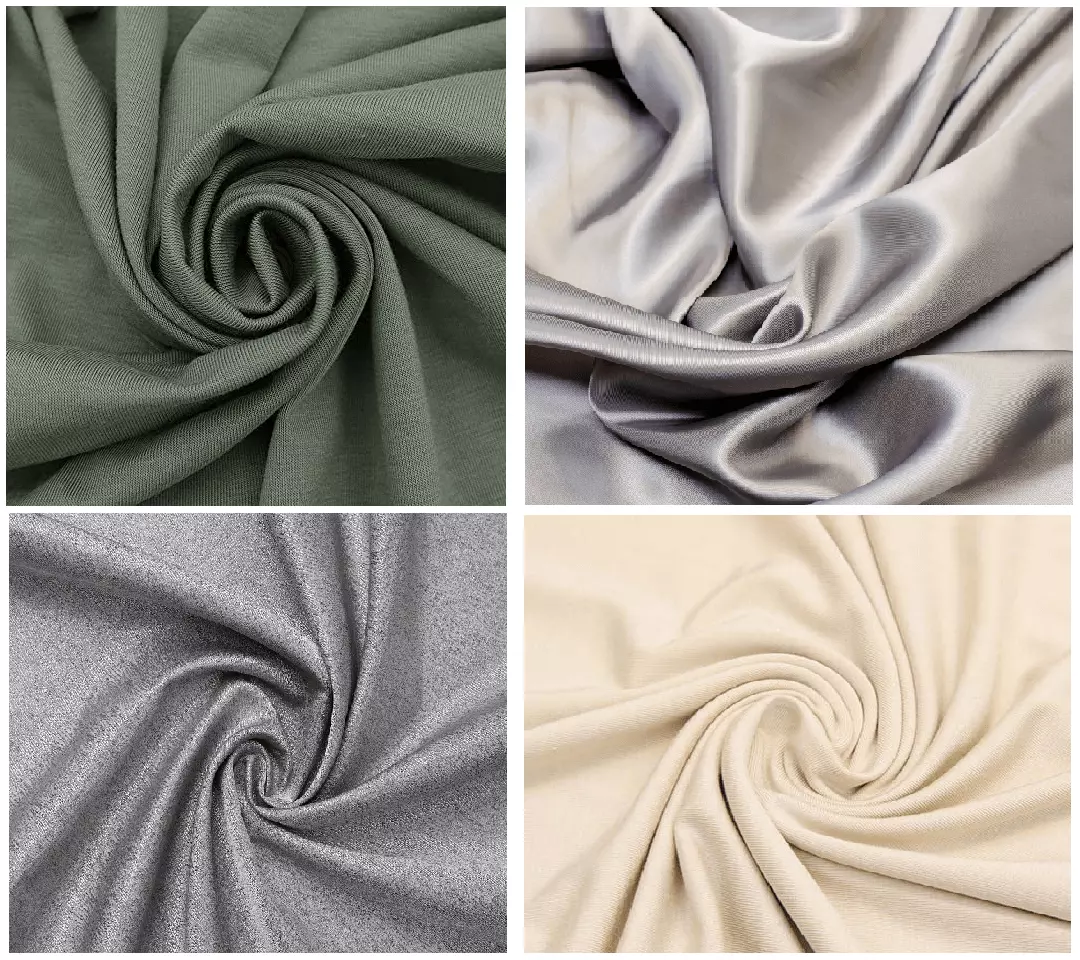
Yes, sourcing is part of our full-service model. We can suggest suitable fabrics and trims based on your design and price target, and we also help control quality before production begins. However, if materials are sourced from unfamiliar suppliers, the risk of issues such as color variation or shrinkage increases, so coordination becomes more critical.
How do you ensure product quality?
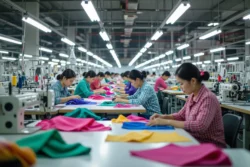
We follow international quality standards and apply quality control throughout the production process rather than only at the end. This includes checking materials before production, monitoring sewing during production, and inspecting finished goods before packing. Quality is not just about final inspection results; it depends on how well each stage is managed.
What payment terms do you offer?
Our standard payment method is bank transfer with a deposit before production and the remaining balance before shipment. Payment terms may vary depending on the relationship and order size, but clear agreement from the beginning is important for both sides.
Do you support international shipping?
Yes, we support different shipping terms such as FOB, CIF, and DDP. We can arrange shipping for you or work with your nominated forwarder, depending on what is more convenient for your business.
Can you work with startups or small brands?
We do work with startups, but it is important to be realistic about expectations. Smaller orders often come with higher costs and require more development time. What matters most is clear communication and a structured approach so that both sides can work efficiently.
Can I visit your factory?
Yes, factory visits are always welcome. You are encouraged to visit, review samples, and understand our production process. Transparency is important in building long-term partnerships.
How will we communicate during production?
You will be supported by a merchandiser who follows your order from development to shipment. We provide updates throughout production, but communication works best when feedback is timely and clear from both sides. Delays often happen when communication is slow, not just when production has issues.
What are the main risks in garment production?
The biggest risks usually come from unclear requirements, inconsistent materials, delayed approvals, and last-minute changes. Many people assume problems come only from the factory, but in reality, production is a shared process. Strong coordination and clear expectations help reduce most issues.
Why choose a full-service manufacturer instead of CMT?
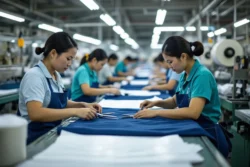
A full-service approach allows you to work with one partner who manages sourcing, development, and production together, which reduces errors and saves time. However, if you already have a strong sourcing system, approved materials, and complete technical documentation, a CMT model can sometimes be more cost-effective. The best option depends on how your business is structured.
How do we start working together?
The process usually begins with you sharing your design or tech pack. We then review the details, provide feedback and quotation, and proceed with sample development. Once samples are approved, we move into bulk production, followed by quality control, packing, and shipment.