

Nobody wants clothes soaked with sweat, uncomfortable, unflattering, and confidence-breaking. In hot, humid climates like in Vietnam, choosing the right fabric matters even more, especially for people who perspire heavily. In this article, Mekong Garment will guide you through 10 ideal fabric types for heavy sweaters. We’ll make sure your garments feel comfortable and look great.
What Does “Breathable Fabric” Mean?
Breathable fabrics are materials whose fiber structure allows air to pass freely through them. This helps sweat and body heat escape quickly, keeping you cool, dry, and fresh. Unlike fabrics that trap heat or block airflow, breathable materials act like a “natural air conditioner,” reducing moisture buildup and odor. Because of that property, breathable fabrics are often used to make T-shirts, sportswear, summer shirts, office uniforms, or activewear. Examples include cotton, linen, bamboo, hemp, muslin, and merino wool.
Difference Between “Breathable” and “Absorbent” Fabrics:
Many people think breathable and absorbent fabrics are the same, but they work differently. Breathable fabrics allow air to move through the weave, helping sweat evaporate quickly so you stay cool and dry. Absorbent fabrics, on the other hand, soak up moisture and hold it in their fibers before slowly drying out. Both types are useful breathable fabrics prevent overheating, while absorbent ones manage excess sweat
- Breathable fabrics let air flow through the fibers and promote evaporation (e.g. mesh, voile, bamboo, taffeta).
- Absorbent fabrics draw moisture into the fibers, where it either evaporates slowly or remains internal.
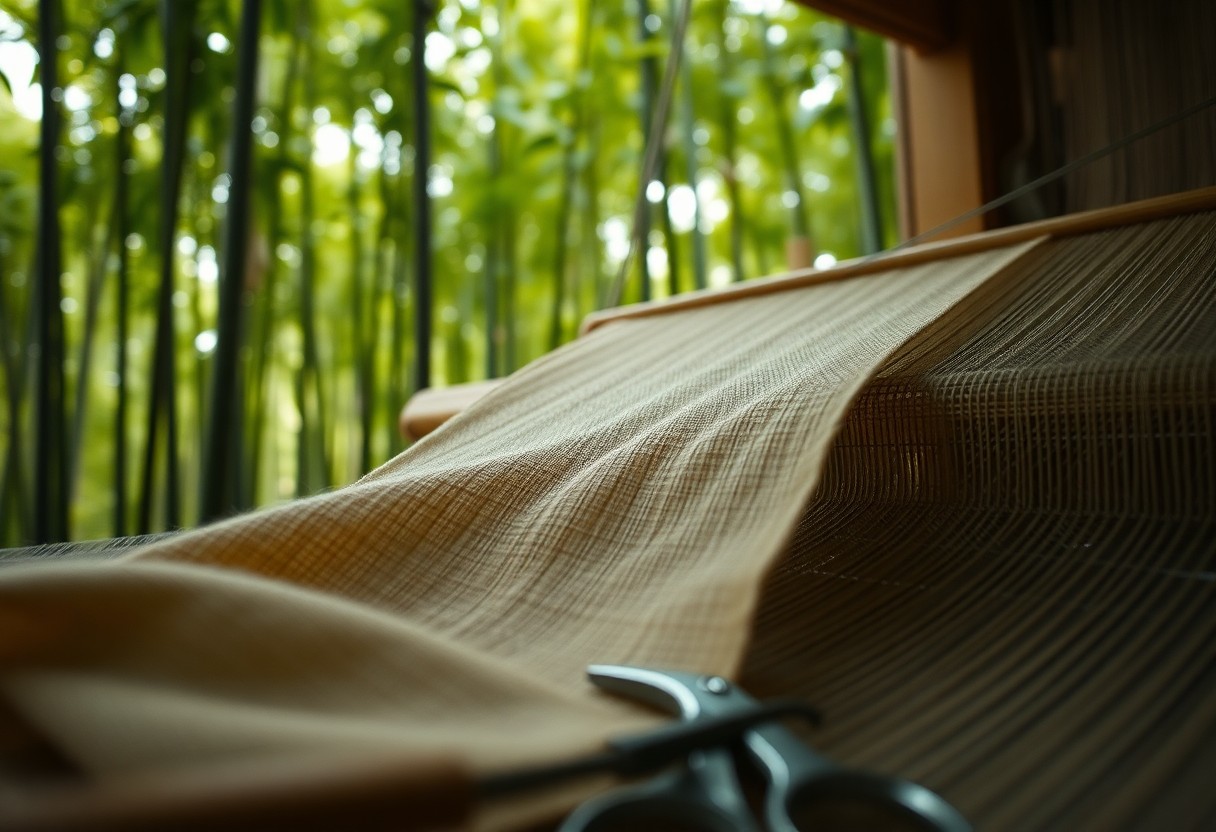

Both types can help people who sweat a lot, but the wearing experience differs.
10 Best Fabrics for People Who Sweat Heavily
If you often deal with sweat stains or discomfort, fabric choice is everything. Some materials naturally help your skin breathe, absorb moisture, and dry quickly. Others may trap heat, making you feel sticky and tired. Below are ten fabrics that balance softness, breathability, and freshness all perfect for daily wear, sports, or work in warm weather. Each one has its own strengths depending on your needs and style.
=> Read More:
- Bamboo Fabric Soft, Sustainable, and Changing Fashion Than You Think
- The 20 Different Types of Cotton Fabric: Most Popular and How They’re Used
Here are 10 fabrics that perform well under perspiration:
- Bamboo: Bamboo fabric is a superb choice for people who sweat a lot. It absorbs moisture quickly, keeps skin dry, and has natural antibacterial properties, helping reduce odor. It may cost a bit more, but it’s durable and eco-friendly.
- Cotton: Cotton is like a trusted companion. These familiar fibers are soft, breathable, and absorb sweat fast so it can evaporate. They’re affordable, easy to find, and suitable for all ages and settings.
- Linen: Linen is a great balance of coolness and sophistication. It absorbs moisture quickly and dries faster than many fabrics, helping minimize dampness on your skin. Its challenge: linen wrinkles easily, so expect some ironing.
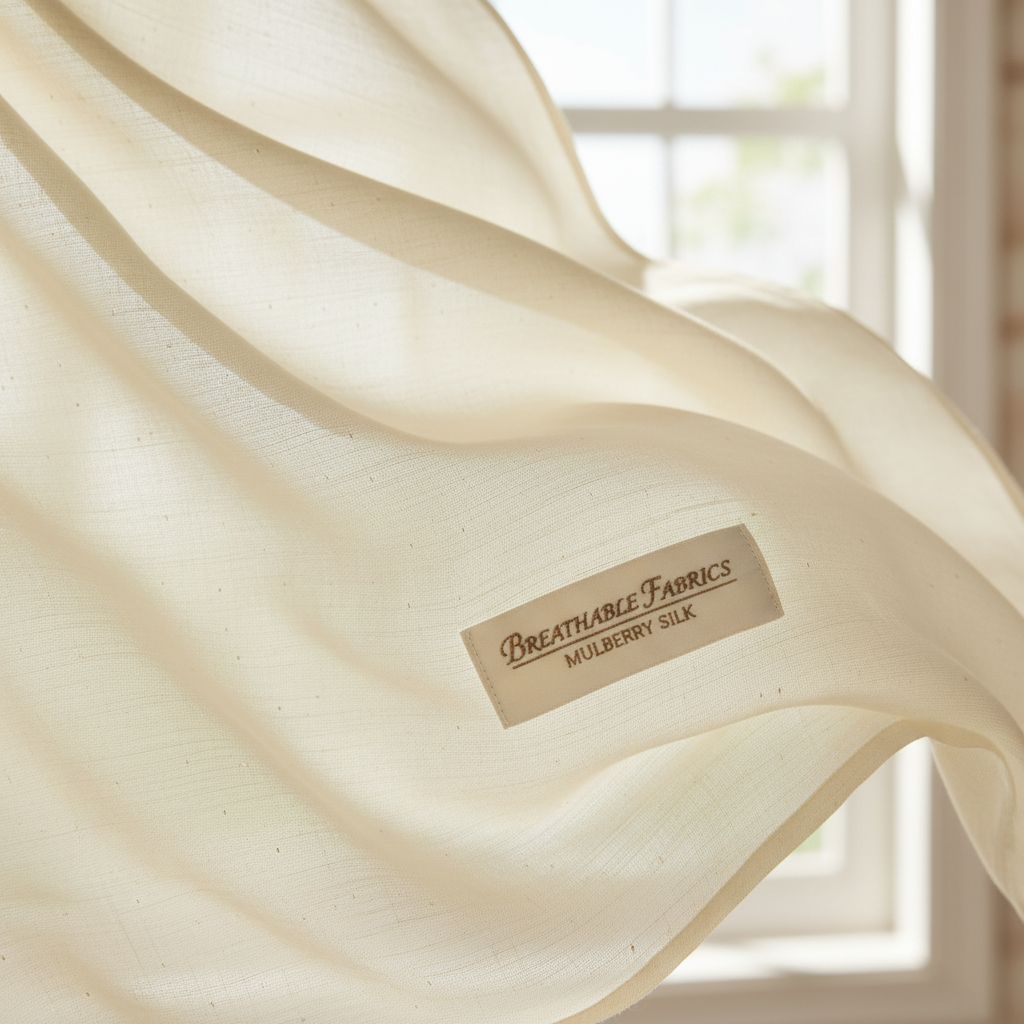
- Silk (Mulberry Silk): Silk feels luxurious and helps regulate temperature. It’s smooth, breathable, and absorbs moisture well. Silk is suited for formal wear or high-end garments, but it needs delicate care and also wrinkles.
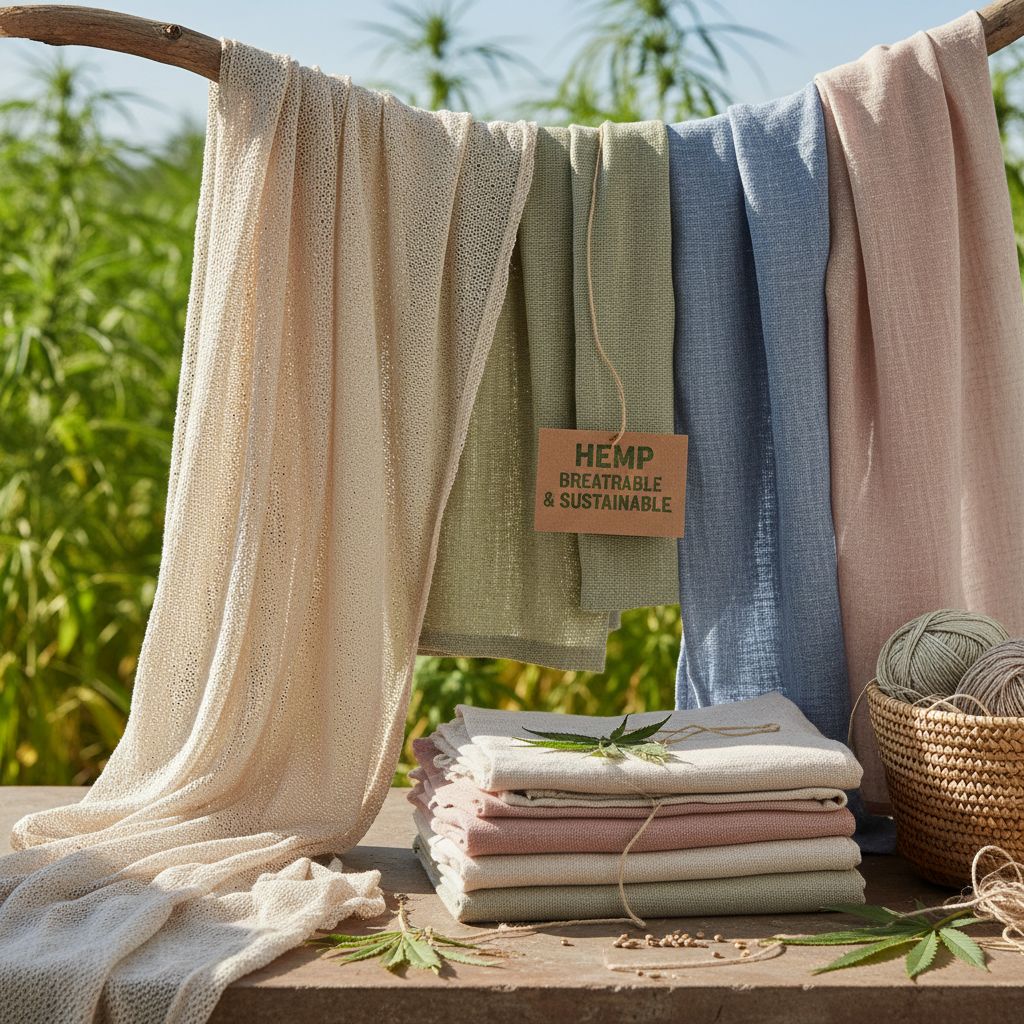
- Hemp: Hemp fabric is strong and naturally breathable. Its moisture management is excellent, and it’s much more durable than cotton. Because it has less elasticity, styles may need to allow a looser fit.
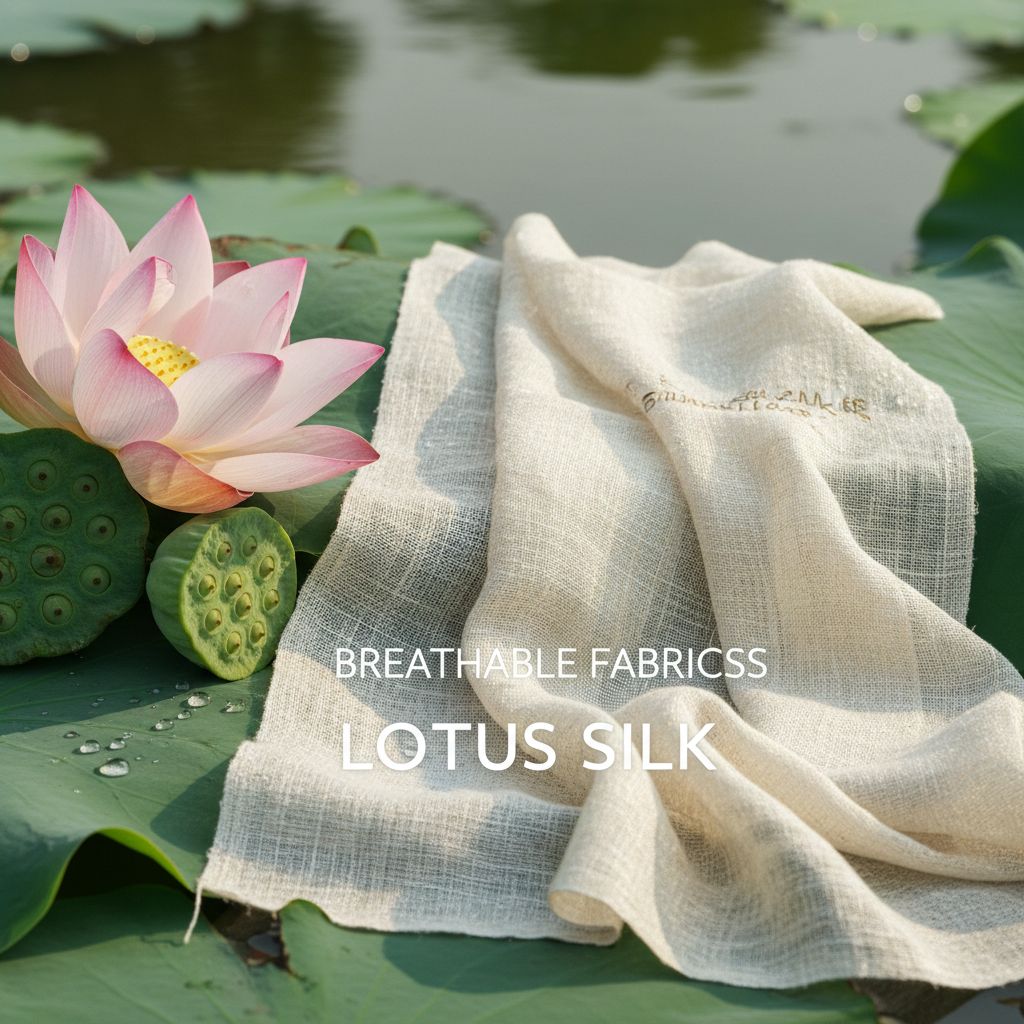
- Lotus Silk (Silk from Lotus Fiber): This is a rare, high-end fiber. It’s moisture-wicking, UV-resistant, and gives a smooth, cool sensation on the skin. Because it’s handcrafted and exotic, it’s ideal for premium fashion pieces.
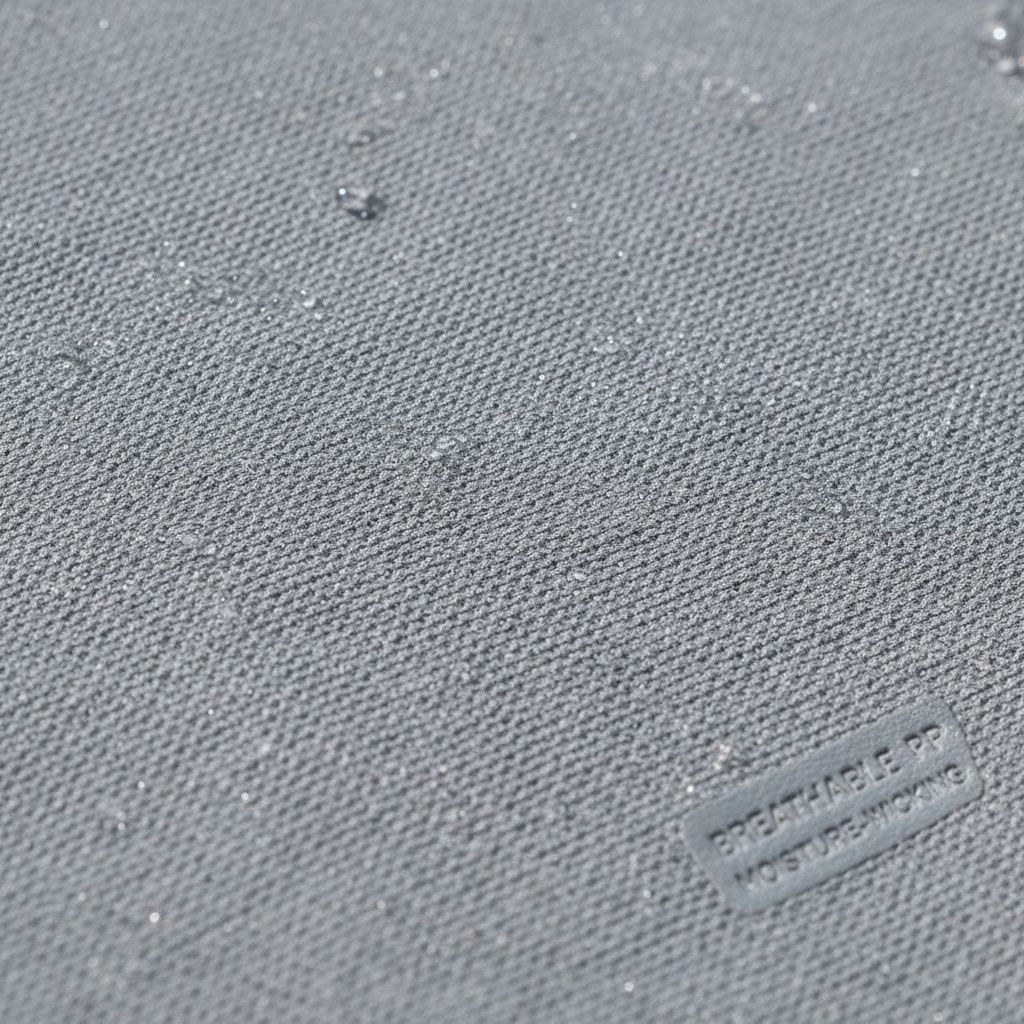
- Polypropylene (PP): For most sweaty people, polypropylene is not recommended, its low absorbency can trap moisture against skin, causing discomfort. However, in cold climates, it can help retain heat.
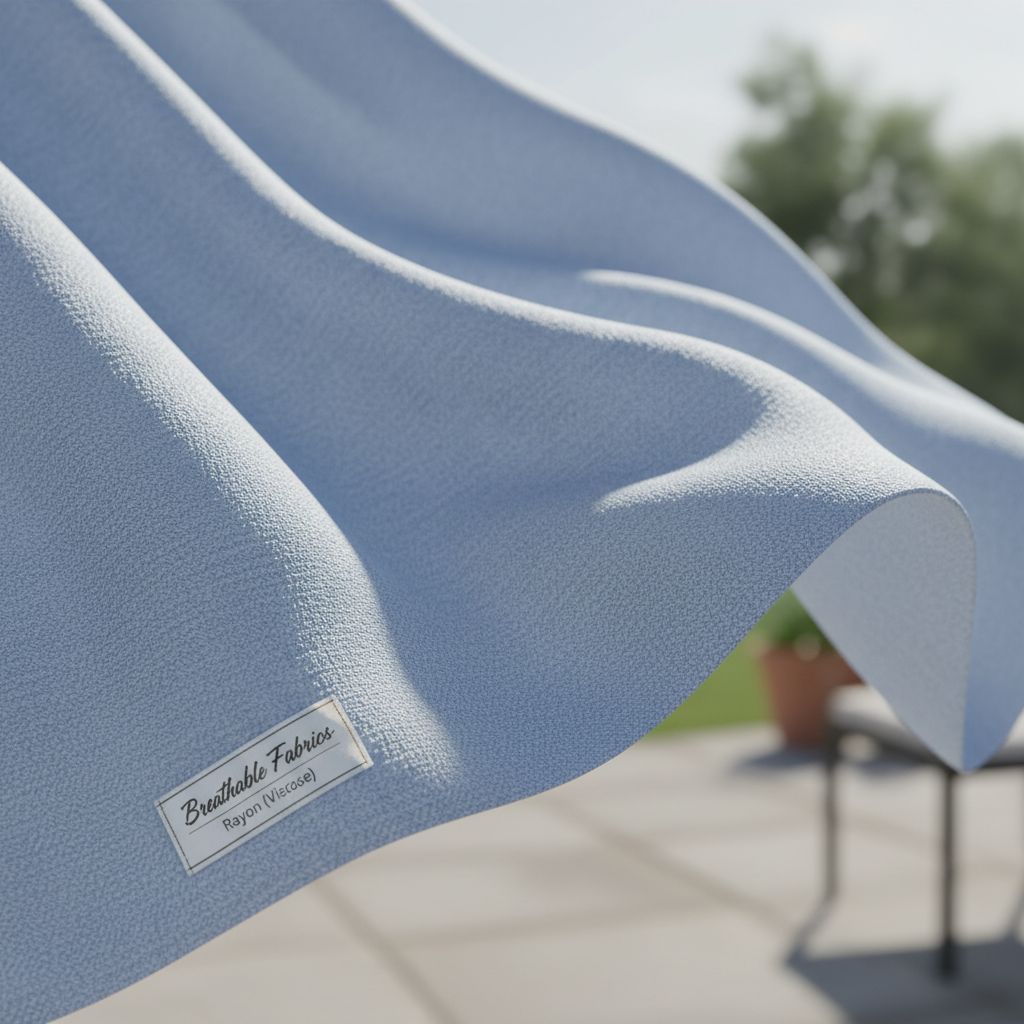
- Rayon (Viscose): Rayon is affordable, lightweight, and breathable. It absorbs moisture well and feels cool to the touch. Its drawbacks: susceptible to mildew and needs careful care in humid environments.
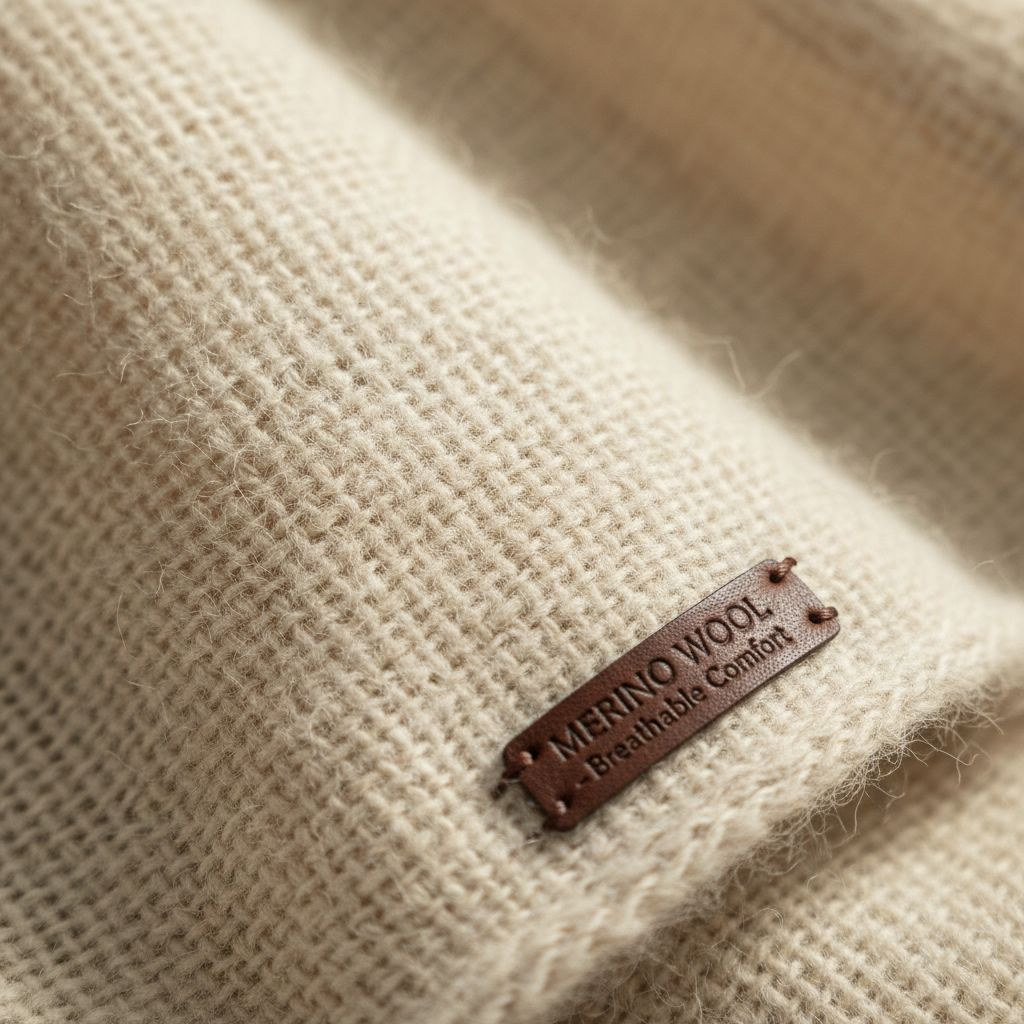
- Merino Wool: Merino is a hidden gem for active, heavy sweaters. It can absorb many times its weight in water, control odor, and stay relatively dry. That makes it common in performance wear, even though we often associate wool with cold weather.
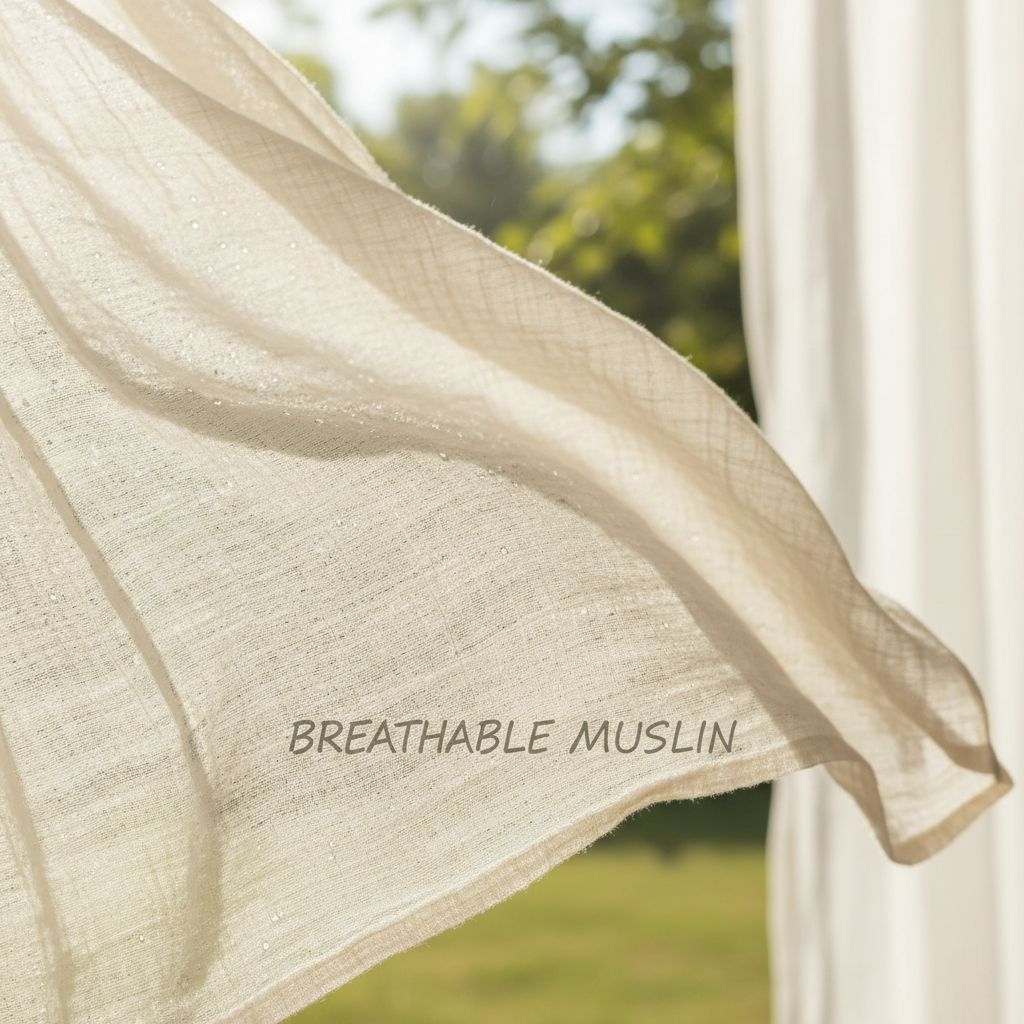
- Muslin: Muslin is lightweight and highly breathable thanks to its open weave. It’s often used for baby clothes because it’s soft and gentle, but it also works well for adults needing airy, moisture-venting garments.
Bamboo
Bamboo fabric is a strong choice for hot and humid weather because it feels soft on the skin and handles moisture well. The article presents it as a fabric that absorbs sweat quickly, helps the body feel drier, and can reduce odor thanks to its natural antibacterial reputation. It also positions bamboo as a more eco-friendly option, which adds value for buyers who care about comfort and sustainability at the same time. The main trade-off is price, since bamboo fabric often costs more than basic cotton, but for many people the comfort can justify the extra cost.
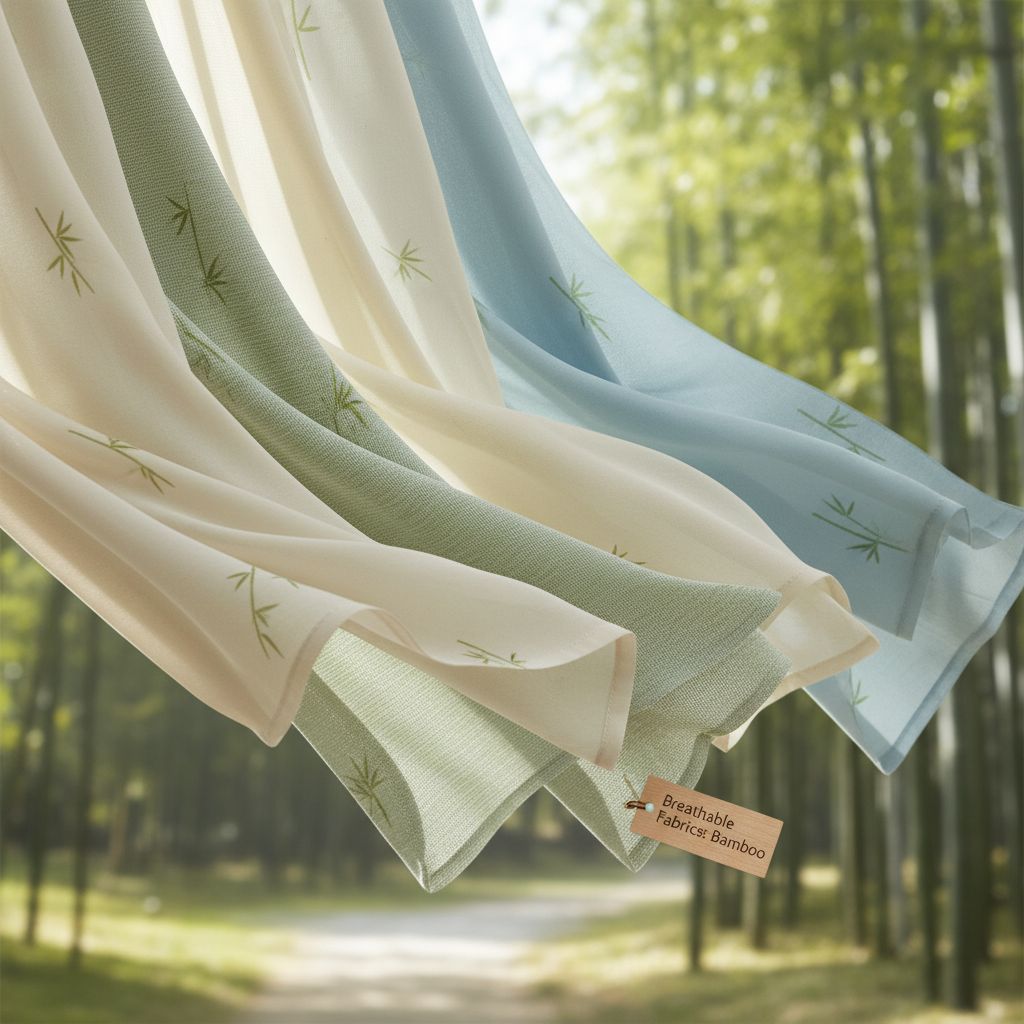
Cotton

Cotton remains one of the safest and most practical fabrics for everyday wear in warm climates. The article describes it as soft, breathable, easy to wear, and quick to absorb sweat so the moisture can evaporate more naturally. That makes cotton a dependable option for T-shirts, casual tops, and daily uniforms, especially when comfort matters more than a polished luxury look. Its biggest strength is balance: it is affordable, widely available, familiar to consumers, and suitable for many age groups and uses.
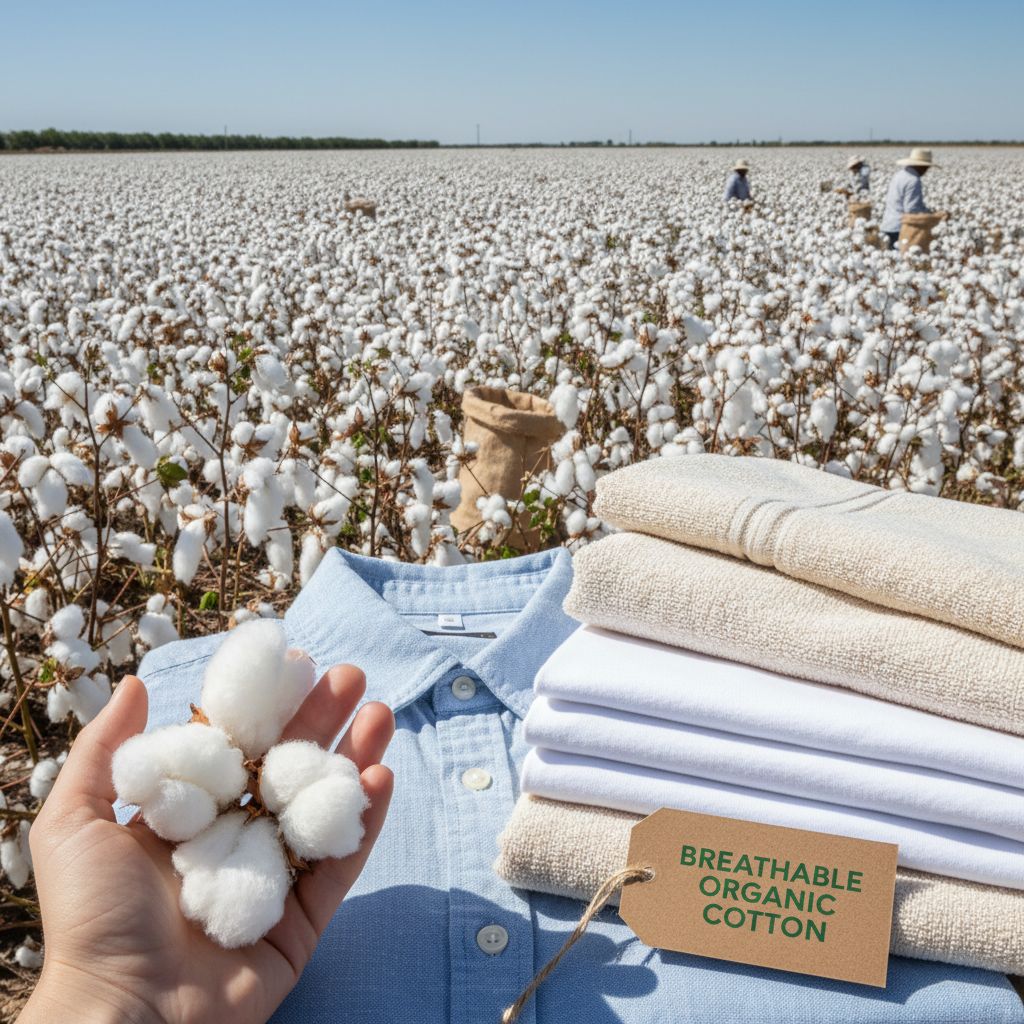
Linen
Linen is one of the best-known fabrics for staying cool in hot weather because it allows strong airflow and dries faster than many other materials. The article highlights its ability to absorb moisture quickly and reduce the sticky feeling that often comes with sweating in humid conditions. Linen also has a naturally refined and effortless look, so it works well when someone wants comfort without giving up style. The weakness, of course, is that linen wrinkles easily, so it may need more ironing and may not suit people who want a crisp appearance all day
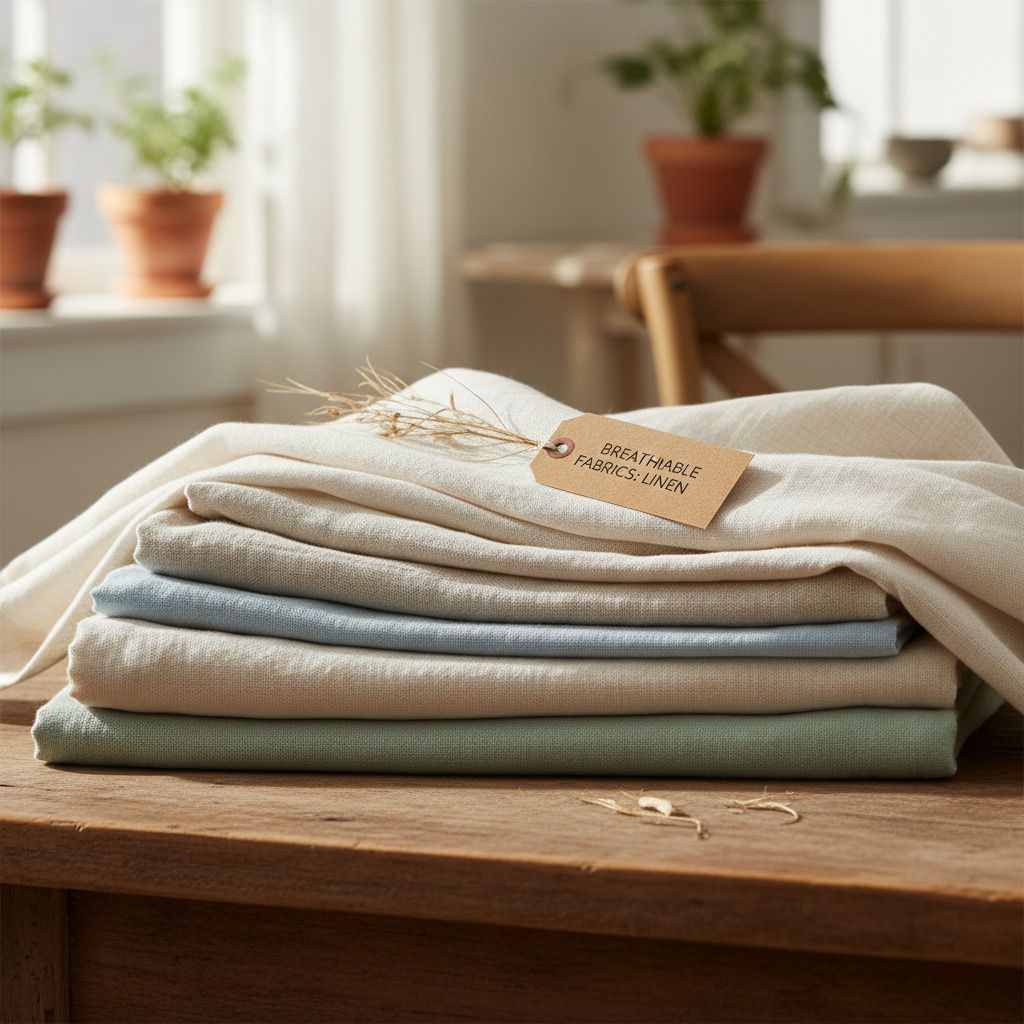
Silk (Mulberry Silk)
Mulberry silk is presented as a premium fabric that combines elegance with surprisingly good comfort in warm weather. According to the article, silk is breathable, smooth, and able to help regulate temperature while also absorbing moisture reasonably well. That makes it more suitable for formalwear, elegant blouses, or high-end garments than for rough daily use. The downside is obvious: silk is delicate, needs careful washing and handling, and is less practical for people who want low-maintenance clothing.
Hemp
Hemp is a very interesting option because it combines breathability with durability. The article describes hemp fabric as strong, naturally breathable, and excellent at managing moisture, even noting that it is more durable than cotton. That makes hemp a good candidate for garments meant to last, especially in hot climates where heavy, heat-trapping fabrics quickly become uncomfortable. The catch is that hemp has less elasticity, so garment design should allow a slightly looser fit for better comfort and movement.
Lotus Silk
Lotus silk is the most niche and luxurious fabric in the list. The article frames it as a rare, handcrafted fiber with moisture-wicking ability, UV resistance, and a cool, smooth touch against the skin. Because of that, it feels less like a mass-market fabric and more like a premium storytelling material for special garments or luxury fashion pieces. From a practical point of view, it sounds beautiful and distinctive, but it is clearly not the most accessible everyday option because rarity and handcraft usually mean higher cost and limited supply.
Polypropylene (PP)
This is the weakest fit in the list, and honestly the article itself admits that. It says polypropylene is not recommended for most sweaty people in hot weather because its low absorbency can leave moisture trapped against the skin, which creates discomfort instead of relief. The only case where the article sees value in PP is colder weather, where heat retention may be useful. So while PP appears in the “top 10” list, the description actually argues against using it for the article’s main purpose.
Rayon (Viscose)
Rayon, also called viscose in the article, is presented as a lightweight and affordable fabric that feels cool and breathable in warm weather. It absorbs moisture well and usually has a soft drape, which helps garments feel fluid and comfortable instead of stiff. That makes it appealing for fashion items where softness and appearance matter. Still, the article warns that rayon can be vulnerable to mildew in humid conditions and needs more careful care, so it is not as carefree as basic cotton.
Merino Wool
Merino wool is the most surprising fabric on the list because many people associate wool only with cold weather. The article pushes back on that idea and describes merino as a strong performer for active people who sweat a lot, thanks to moisture absorption, odor control, and the ability to stay relatively dry in wear. That helps explain why merino often appears in performance clothing and travel clothing, even in changing climates. It is not the first fabric most consumers think of for tropical weather, but the article makes the case that merino can work very well when comfort and odor management matter.

Muslin
Muslin is valued for its light weight and open weave, which allow a lot of air to move through the fabric. The article notes that muslin is often used for baby clothes because it is soft and gentle, but those same qualities also make it useful for adults who want airy, breathable garments. In hot and humid weather, muslin can help reduce that heavy, trapped feeling that comes from dense fabrics. It may not always deliver the sharpest or most structured look, but for softness and ventilation, it is a very practical choice.
Final Thoughts / Final Word
If you sweat a lot, prioritize fabrics that are absorbent, breathable, and quick-drying, like cotton, bamboo, linen, hemp, and muslin. For a touch of elegance, silk and lotus-fiber silk are excellent, high-end options. At Mekong Garment, we specialize in crafting garments, T-shirts, uniforms, shirts, and more, from high-quality fabrics so you feel comfortable all day long.
FAQs Breathable Fabrics for Hot and Humid Weather
What does “breathable fabric” mean and why is it important for hot, humid weather?
Breathable fabrics have a fiber structure and weave that let air move through, allowing sweat and body heat to evaporate quickly. In hot, humid climates this reduces trapped moisture, lowers cling and odor, and keeps garments feeling cooler and more comfortable for longer.
What are the top 10 breathable fabrics recommended for heavy sweaters in Vietnam?
Top 10 fabrics: 1) Cotton (lightweight/long-staple) — soft, absorbent, versatile; 2) Linen — excellent airflow and fast-drying; 3) Bamboo — naturally wicking and antibacterial; 4) Hemp — durable with great breathability; 5) Muslin — very lightweight, airy cotton weave; 6) Merino wool — temperature-regulating and odor-resistant; 7) Silk — lightweight, smooth, good for formal wear; 8) Lotus-fiber silk — premium breathable, natural texture; 9) Tencel/Lyocell — high moisture transport, cool drape; 10) Rayon/Viscose/Modal — cool, soft drape though may need quick-dry finishes for best performance.
Which fabric and weave combinations work best for office shirts and uniforms in humid conditions?
Choose lightweight cotton or cotton-linen blends in poplin, broadcloth, or seersucker weaves for airflow and a polished look. Tencel blends give a smooth, professional drape with superior moisture transport. Opt for lower GSM (light to midweight), looser weaves, and slightly relaxed fits to maximize ventilation while maintaining a neat appearance.
How should I care for these breathable fabrics to maintain performance and lifespan?
Wash in cold or warm water on gentle cycles with mild detergent, avoid fabric softeners (they can block wicking), air-dry or tumble-dry low, and iron on appropriate settings for each fiber. For merino and silk, use delicate or hand-wash cycles. Store garments dry and rotate wear to reduce odor buildup.
Are synthetic performance fabrics suitable for hot, humid climates or should I stick to natural fibers?
Modern synthetic performance fabrics and blends (engineered polyester, nylon with wicking finishes) dry very quickly and perform well for active use, but some can trap odor or feel less comfortable for prolonged casual wear. For daily and office use, natural fibers or natural-synthetic blends strike the best balance of comfort, breathability, and appearance.
How can heavy sweaters avoid visible sweat stains while staying comfortable?
Use fabrics that disperse moisture (linen, bamboo, Tencel, merino) and choose darker colors, patterns, or textured weaves that mask wetness. Wear thin moisture-wicking undershirts to pull sweat away from outer layers, select garments with looser fits and ventilation panels, and consider finishes like anti-odor or quick-dry when ordering custom pieces.