



Got you. But I’m going to push back on one thing first: that sentence is true, but it’s also too generic to be useful for picking, selling, or making booties & mittens. The “why” (warmth + protection) is only half the story. The real value is in fit, safety, materials, construction, and care, that’s where problems happen (falling off, skin irritation, overheating, choking risk, loose threads, etc.).
Here’s more information, organized so you can actually use it:
1) What booties & mittens are (and what they’re not)
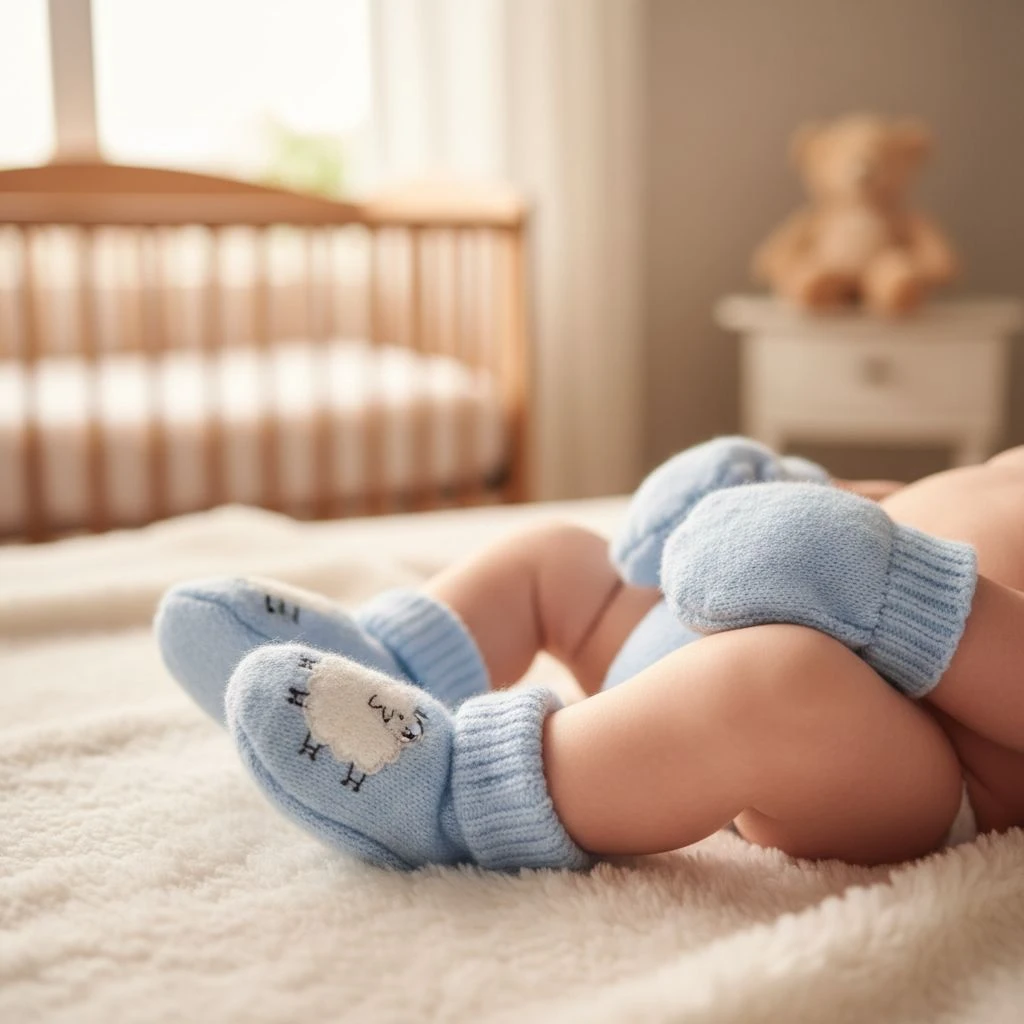
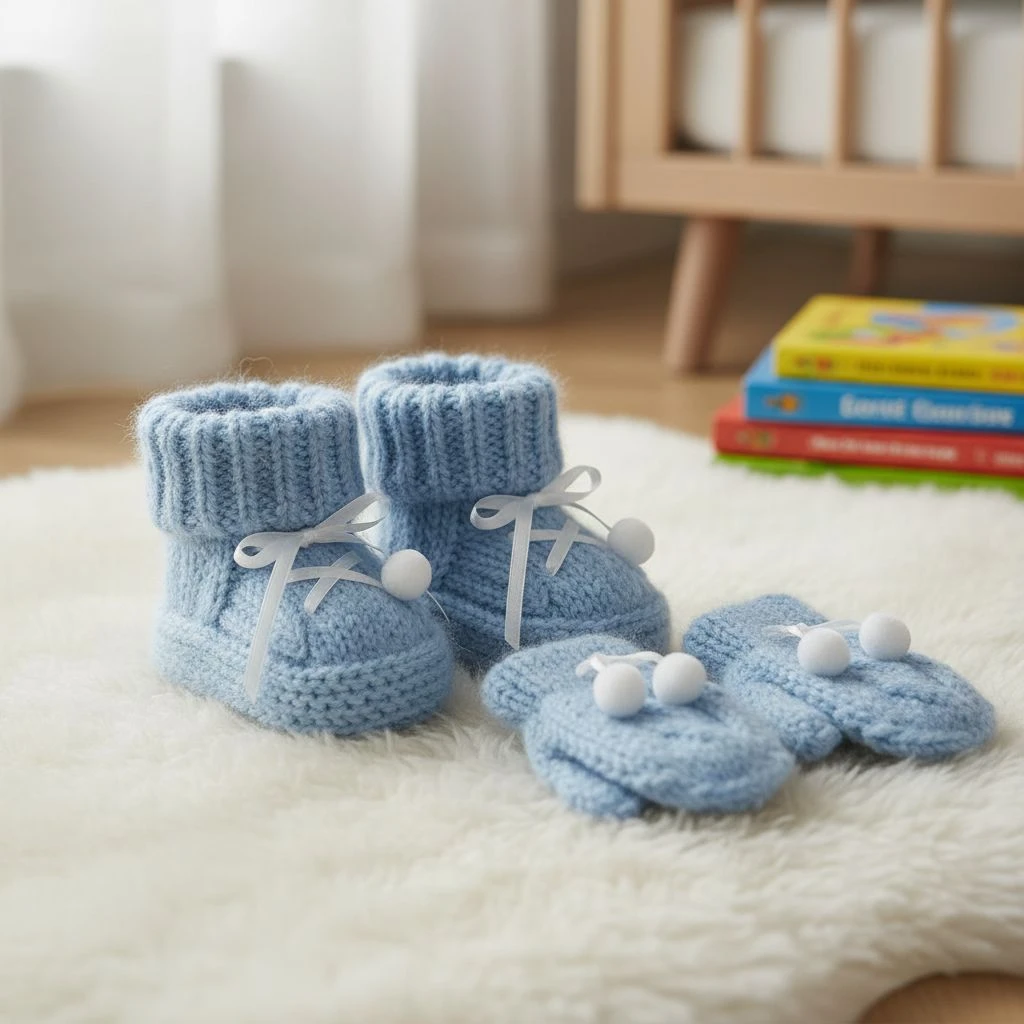
Booties (infant)
Soft “shoes” for babies who aren’t walking yet
Main jobs:
- Warmth (especially in cool rooms / air-conditioned places)
- Protection (from rough fabric, stroller straps, light bumps)
- Keeping socks on (socks slip off newborns a lot)
=> Important Notes: If your baby is always indoors and warm, thick booties can be pointless—or even make baby sweaty.

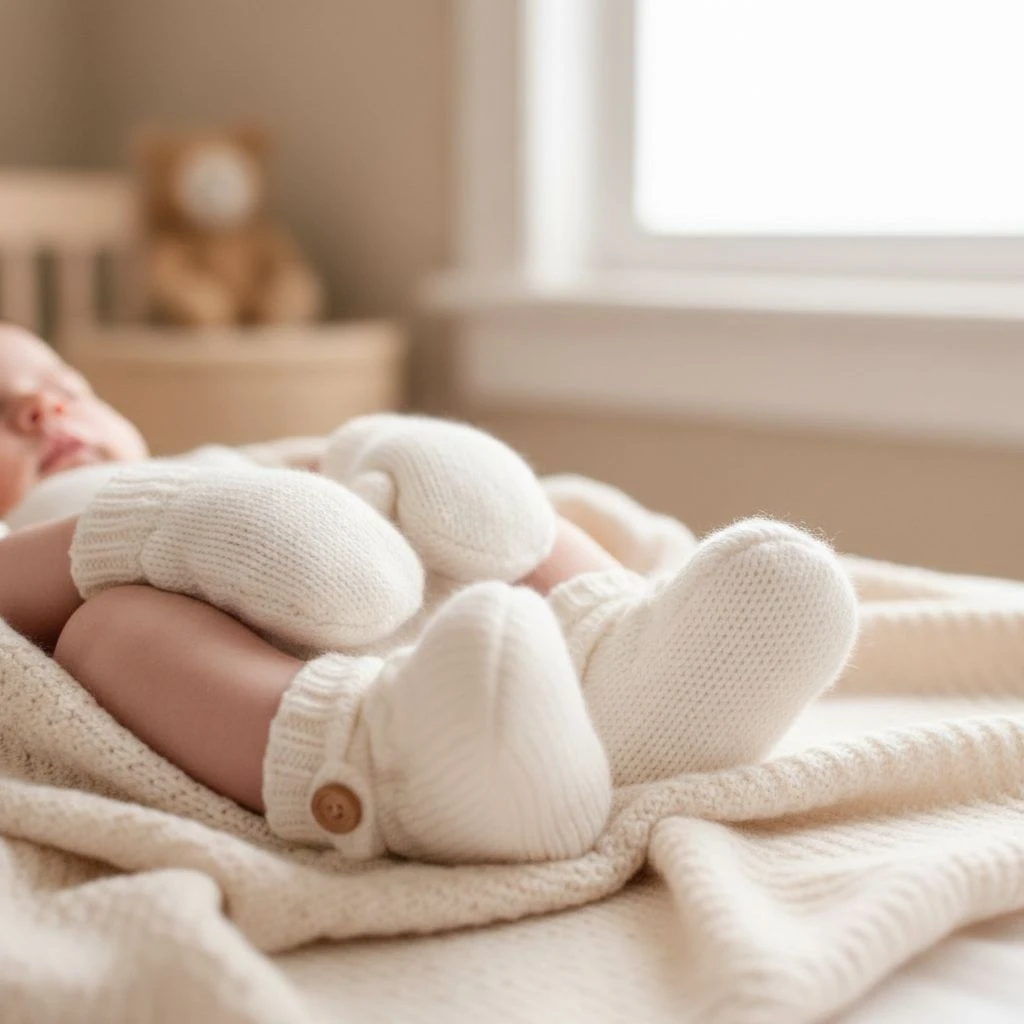
Mittens (infant)
Soft hand covers
Main jobs:
- Prevent scratching (newborn nails are sharp even when “trimmed”)
- Warmth (hands lose heat fast)
- Barrier (against cold air, rough surfaces)
=> Important Notes: Mittens can also reduce finger movement, which babies use to explore. That’s why some parents use them only for sleep or early newborn weeks.
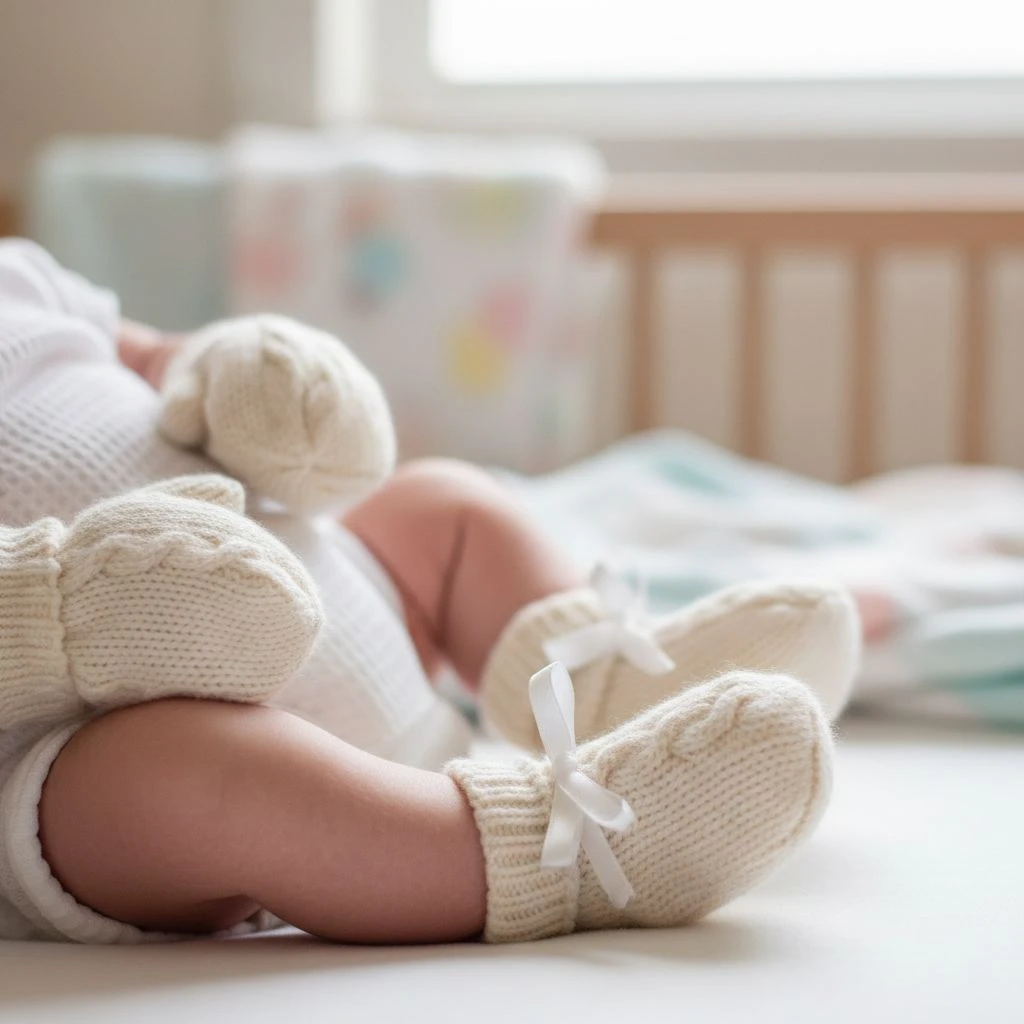
When they’re actually useful (age + situation)
- 0–3 months: most common time for mittens (scratching) + booties (temperature control)
- 3–6 months: booties still useful; mittens less needed unless baby scratches eczema/face
- 6+ months: many babies pull them off; booties need better fit, and grips matter more
Situations where they help the most:
- Air-conditioned rooms
- Nighttime sleep (if safe and not overheating)
- Outdoor walks
- Babies with eczema/sensitive skin (mittens to reduce scratching)

Materials that work (and why)
Best choices (typical)
- Cotton (soft knit / jersey / rib): breathable, gentle, easy care
- Organic cotton: nice for sensitive skin, but not magically better—quality still depends on knit + finishing
- Bamboo viscose/rayon blends: very soft, good drape, but can snag; quality varies a lot
- Merino wool (fine): warm even if damp, great in cold weather, but needs gentle wash
- Fleece: warm and light, but less breathable (watch overheating)
=> Pushback: “Softest” isn’t always best. Some super-soft fabrics pill fast or trap heat.
Fit & design details that matter (this is the big one)
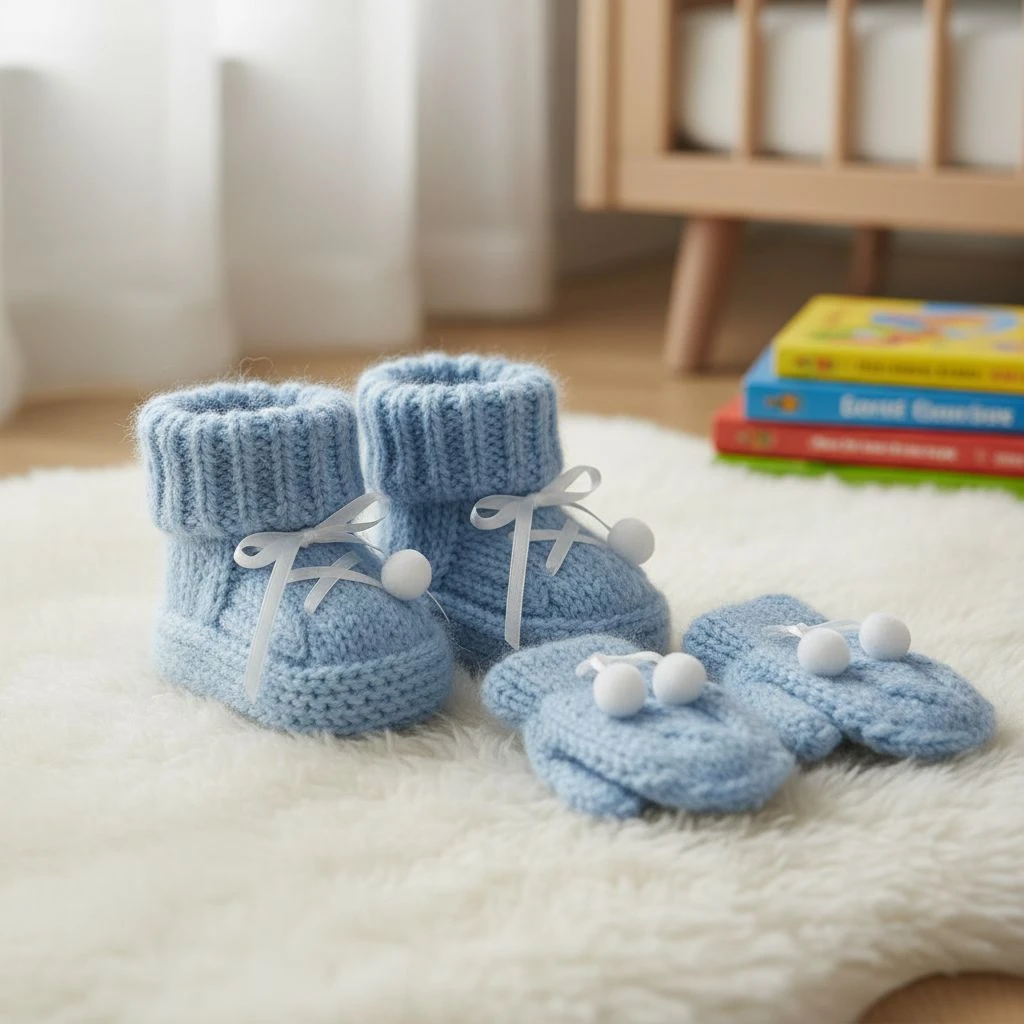
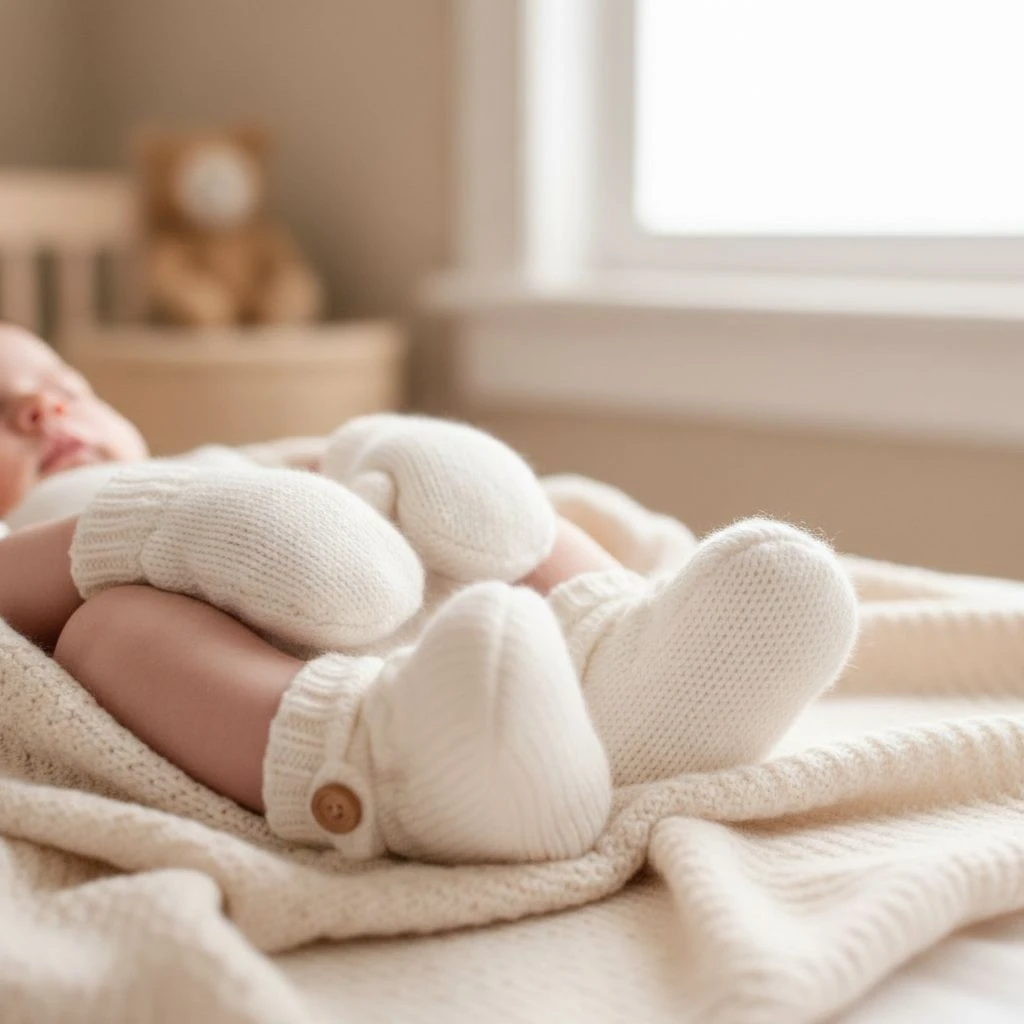
Booties
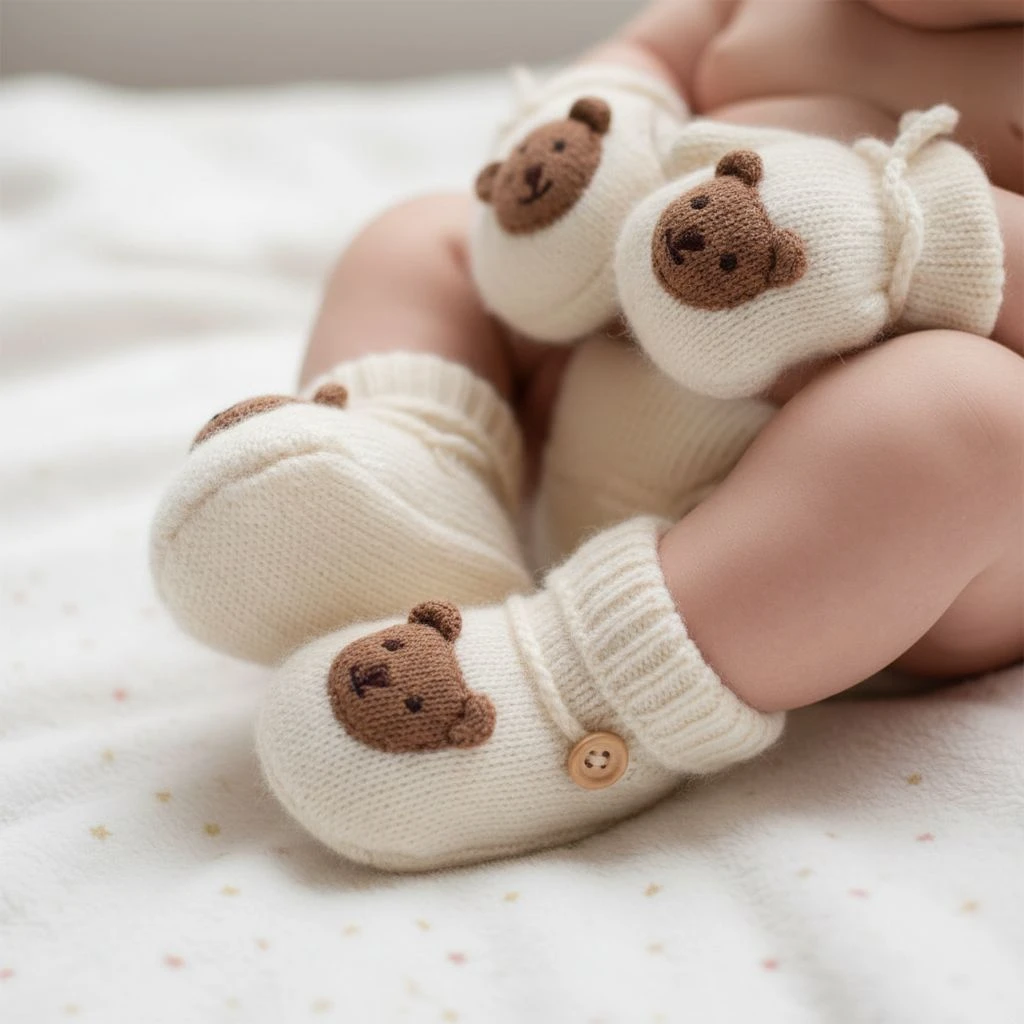
Look for:
- Wide, gentle cuff (doesn’t squeeze ankles)
- Elastic that’s covered (no itchy edges)
- Adjustable closure (snap/velcro/tie) done safely
- Room for toes (not tight—babies’ feet need space)
- Non-slip grips if baby is standing/cruising (silicone dots or textured sole)
Common problems:
- Too loose → falls off
- Too tight → marks on skin, poor comfort
- Hard seams at toe → rubbing
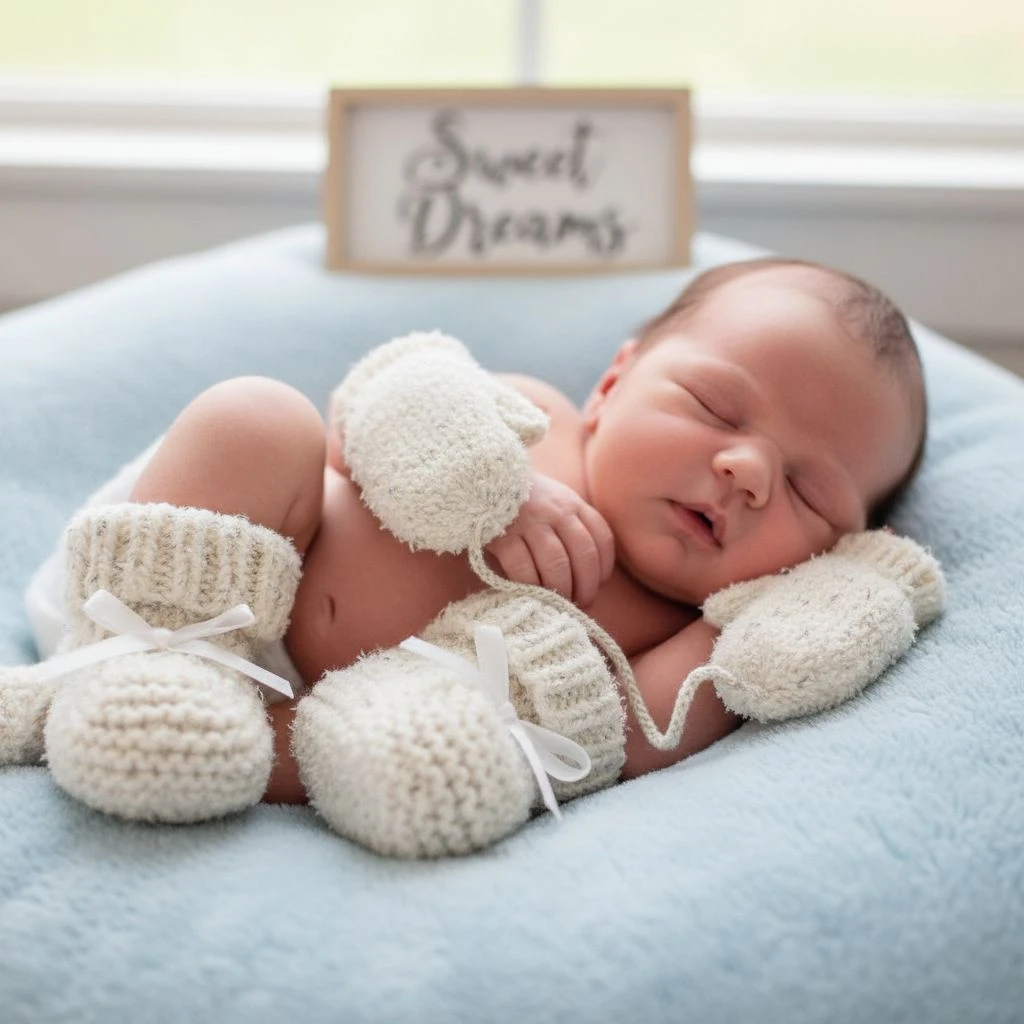
Mittens
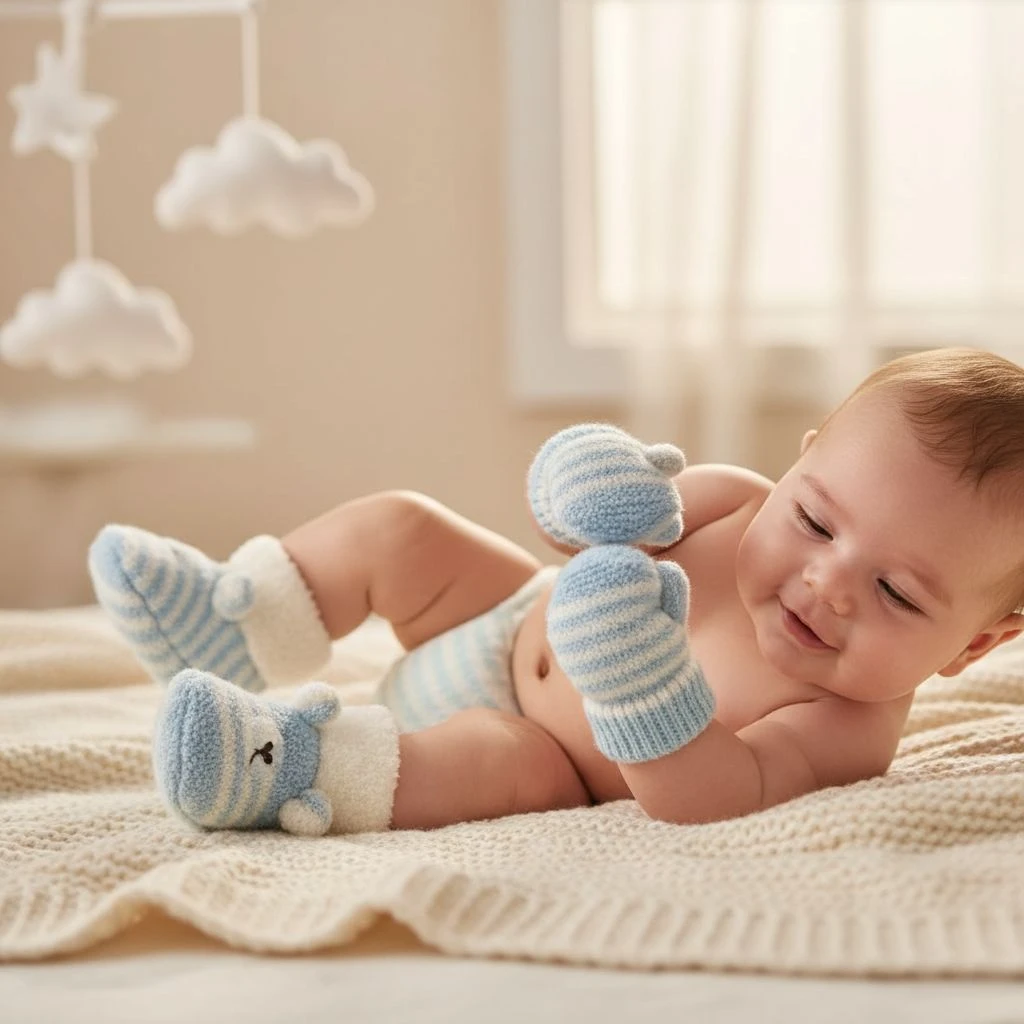
Look for:
- Soft wrist band that holds without digging in
- No loose threads inside (can wrap around fingers)
- Breathable fabric (hands can sweat)
Common problems:
- Baby pulls them off
- Elastic too tight
- Inside seams irritate skin
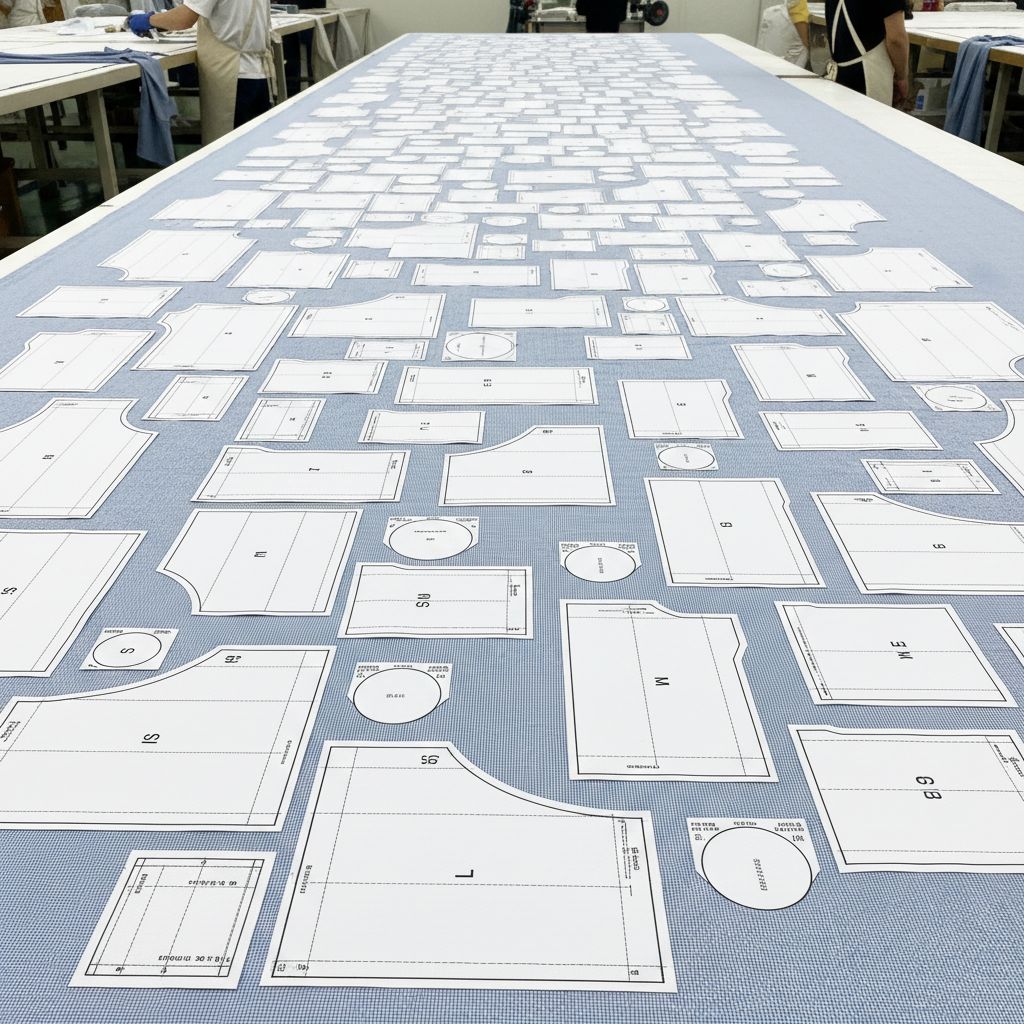
Quick “buy/make” spec (if you’re producing these)
If you’re designing for “premium baby feel,” a solid baseline spec is:
- Fabric: cotton rib or interlock, or bamboo-cotton blend (test pilling)
- Seams: flat/covered seams
- Closure: soft cuff + adjustable tab (booties)
- Inside: thread-free interior, no rough overlock exposed (mittens)
=> Important Notes: Many “premium” baby accessories look fancy but fail after 10 washes. Durability + safe construction beats “luxury look.”
Final Words/ Conclusion
Infant booties and mittens are simple items, yet their design makes all the difference. From breathable materials to secure, non-restrictive cuffs, quality construction ensures warmth, protection, and lasting comfort. Choosing well-made hand and foot covers means investing in safety, durability, and everyday ease during the most delicate stage of development.