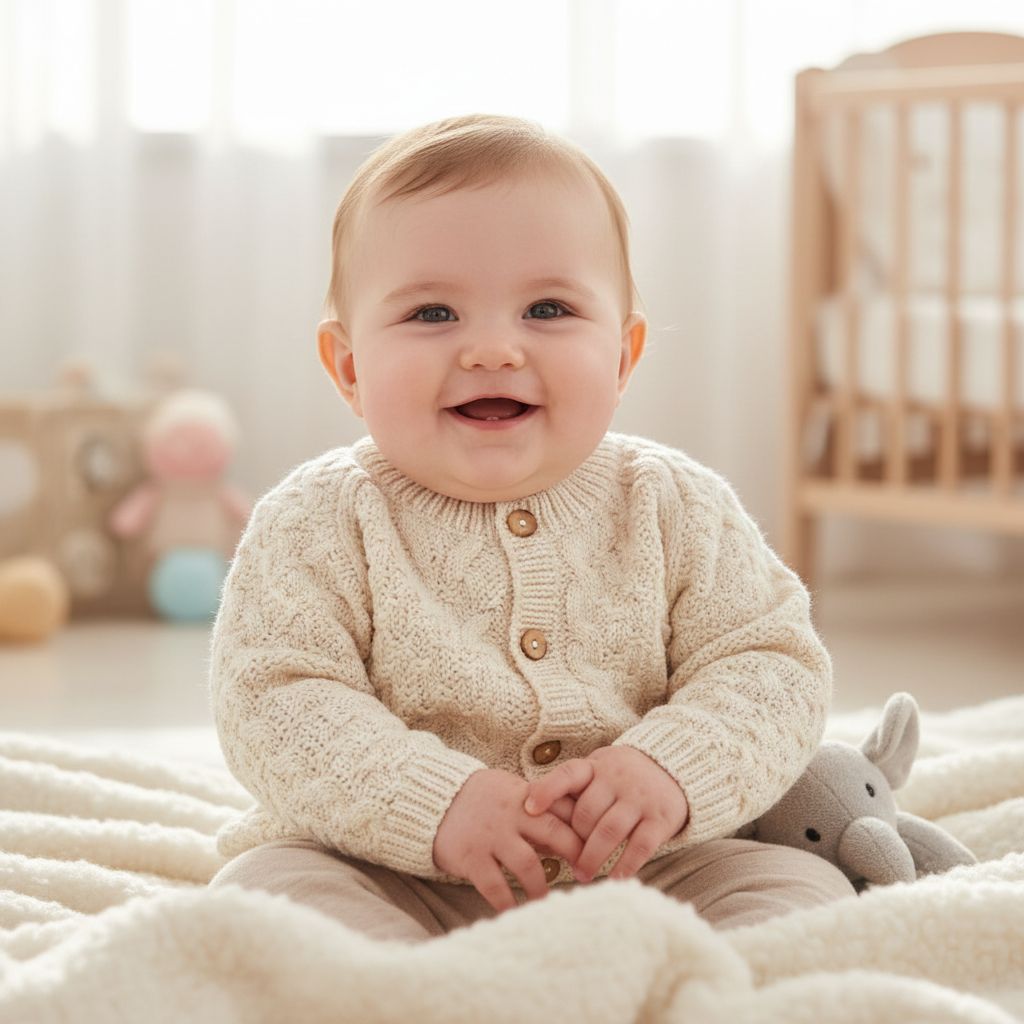

When people hear “baby sweater,” they often think: small, cute, warm. But that’s too simple. A well-designed baby sweater is not just about warmth. It’s about temperature balance, comfort, safety, movement, and practicality. In fact, when used correctly, sweaters are one of the smartest layering pieces in a baby’s wardrobe. Let’s break it down properly.
What Are Baby Sweaters?
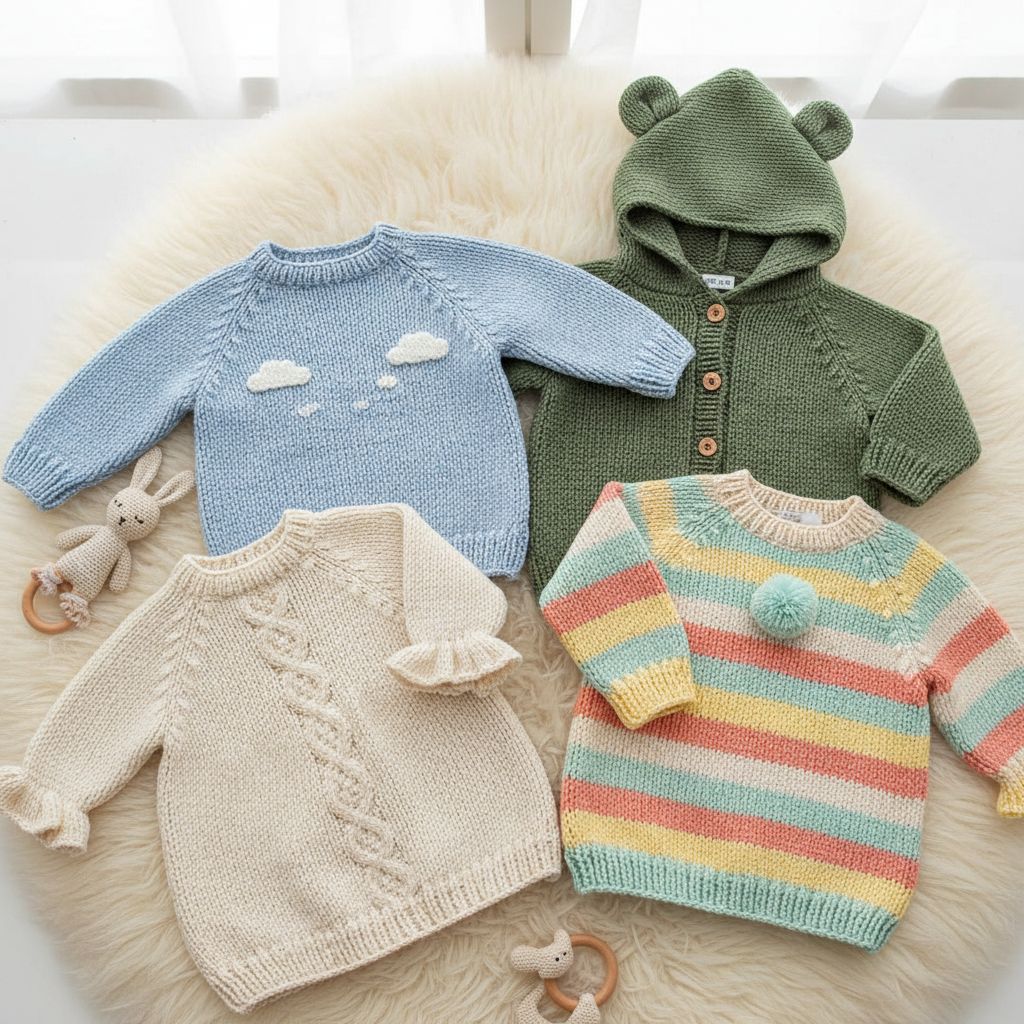
Baby sweaters are knit garments designed to be worn over base layers such as bodysuits, onesies, or lightweight tops. Unlike jackets or coats, they are:
- Softer and lighter
- More breathable
- Flexible and stretchable
- Easy to remove when temperature changes
They are typically made using knitted construction, which creates natural elasticity and softness—essential for babies who are constantly moving, crawling, or being carried.
Why Baby Sweaters Matter
Babies cannot regulate their body temperature as efficiently as adults. They lose heat faster, but they can also overheat quickly.
That creates a challenge:
- Too few layers → baby gets cold.
- Too many heavy layers → baby overheats.

A sweater solves this problem because it:
- Traps a thin layer of warm air
- Still allows airflow
- Can be removed quickly
- Works well in mild or changing temperatures
This makes sweaters ideal for transitional weather, air-conditioned rooms, and evening outings.
When Should Babies Wear Sweaters?
Ideal situations:
- Indoor air-conditioned spaces
- Mild autumn weather
- Cool spring mornings
- Evening walks
- Transitional seasons
Not ideal for:
- Hot climates
- Direct sun exposure
- Very cold winter without additional outerwear

Overdressing is actually more common than underdressing.
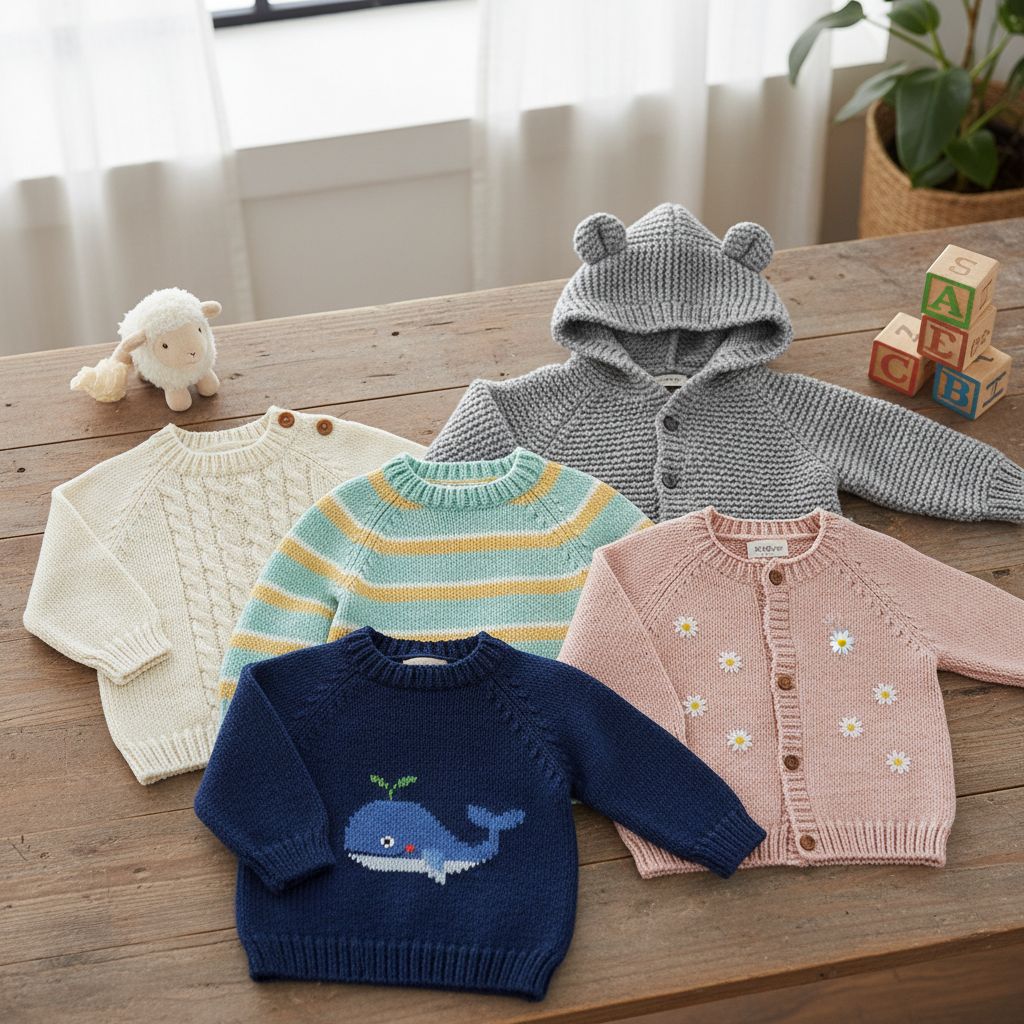
Types of Baby Sweaters
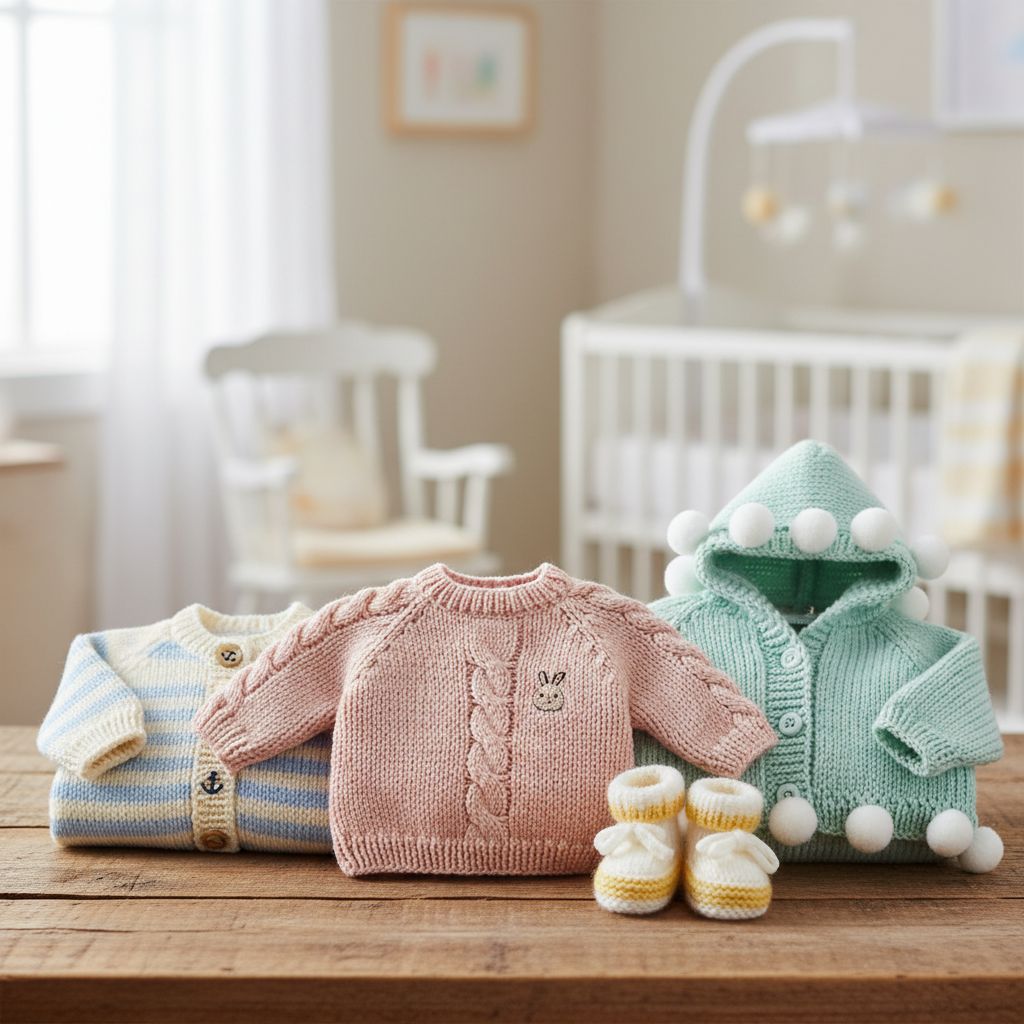
1. Cardigans
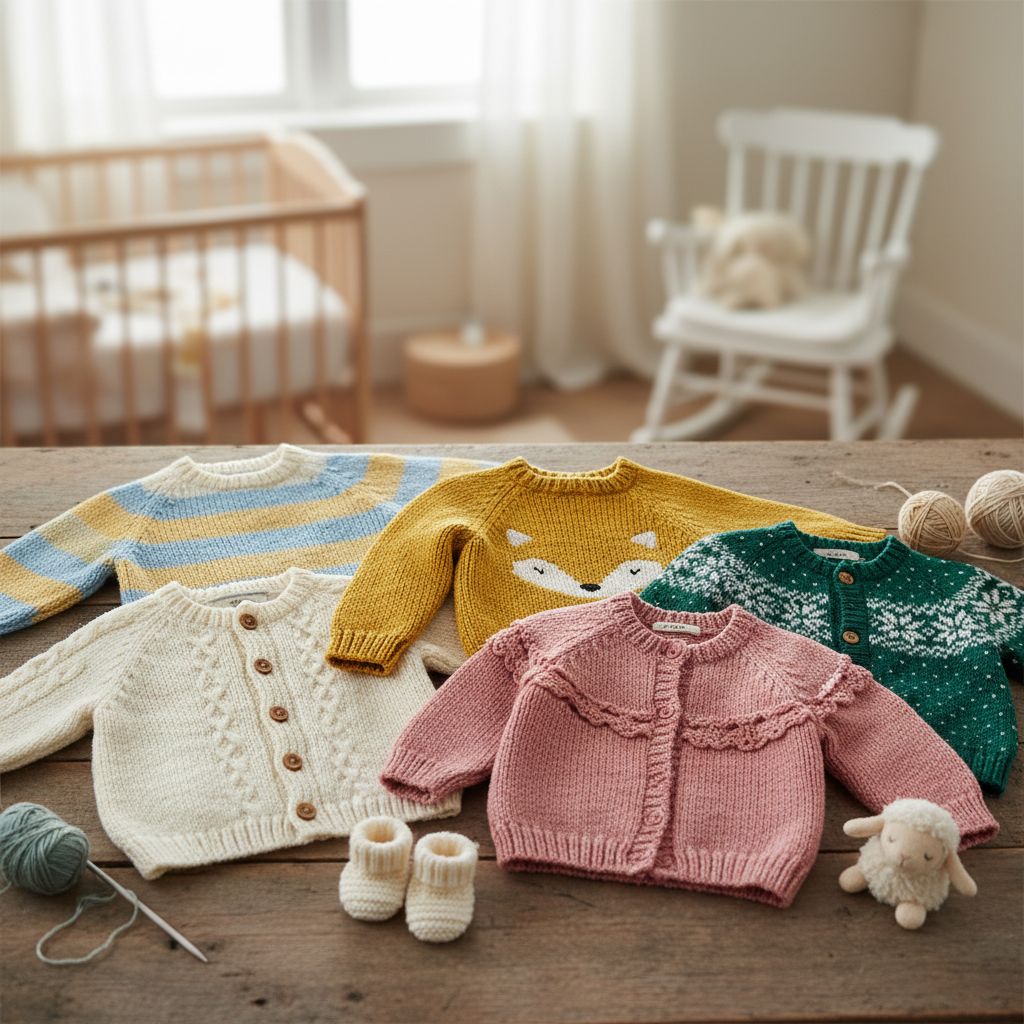
Front-opening sweaters with buttons or snaps.
Advantages:
- Easy to put on and remove
- Convenient for temperature changes
- No need to pull over baby’s head
Watch out for:
- Loose buttons
- Poor stitching
- Decorative elements that may detach
Safety always comes first.
2. Pullovers
Sweaters without front openings.
Advantages:
- Clean design
- Fewer detachable parts
- Often warmer due to full front coverage
Potential issue:
- Tight neck openings can make dressing uncomfortable.
- Stretch-friendly necklines are essential.
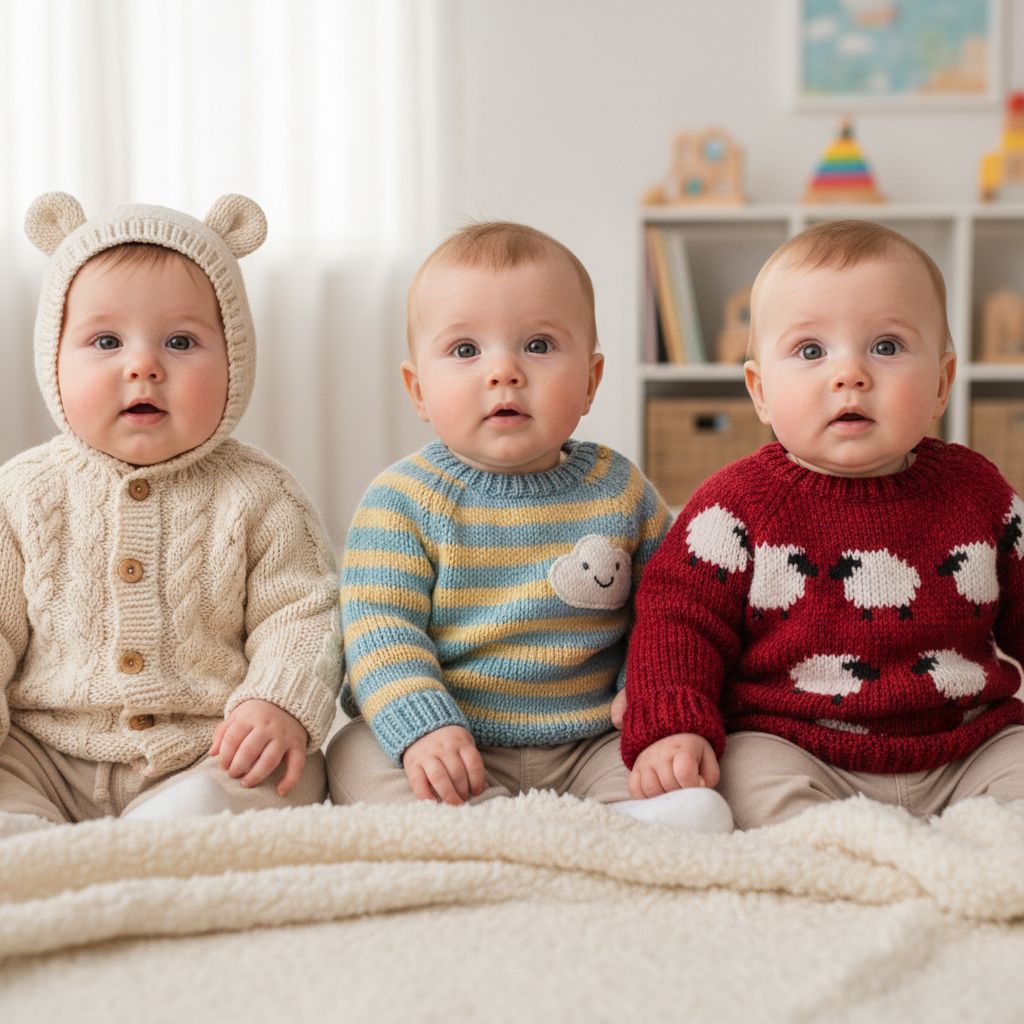
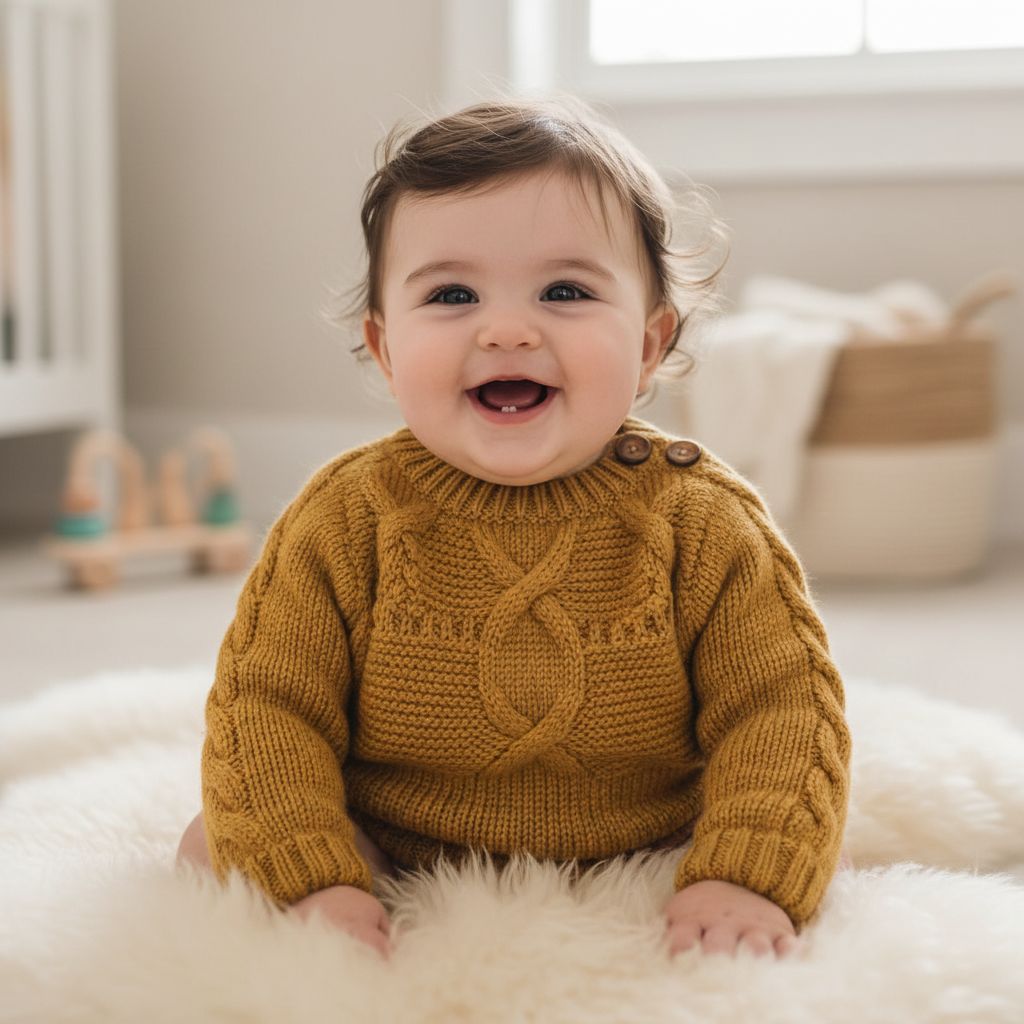
3. Cable Knit & Textured Sweaters
Feature raised knit patterns.
Advantages:
- Enhanced insulation
- Premium look
- Extra warmth for cooler climates
However, thicker knits must still allow freedom of movement. Warmth should never mean stiffness.
Best Materials for Baby Sweaters
Material choice directly affects comfort, safety, and performance.
Cotton
- Breathable
- Soft on sensitive skin
- Easy to wash
- Hypoallergenic
Best for mild climates or indoor use.

=> Limitation: Not as insulating as wool in cold weather.
Wool (Especially Merino)
- Excellent insulation
- Natural temperature regulation
- Moisture-wicking
Concerns:
- Some babies may be sensitive to wool
- Lower-quality wool can feel scratchy
Merino wool offers softness but comes at a higher cost.
Acrylic
- Lightweight
- Affordable
- Holds shape well
Downside:
- Less breathable
- Can trap heat and cause sweating indoors
Blended fabrics (cotton-wool or cotton-acrylic) often provide a balanced solution.
Safety Considerations
Safety should never be sacrificed for style.
Look for:
- Securely stitched buttons
- No loose yarn loops
- No long decorative strings
- Soft internal seams
- Non-irritating labels
=> Important note: Avoid bulky sweaters in car seats. Thick clothing can compress and affect harness fit.
Final Thoughts / Conclusion
Baby sweaters are more than adorable wardrobe pieces. They are practical tools for managing warmth in a safe, flexible way.
The best baby sweater balances:
- Comfort
- Breathability
- Warmth
- Safety
- Ease of dressing
- Durability
A thoughtful design focuses not only on appearance but on how babies actually move, regulate temperature, and experience the world. Because when it comes to babies, comfort and safety always come before style.