
Labels are a small part of a garment, but they carry a lot of value. In the apparel industry, a label does much more than show a brand name. It helps identify the product, gives important details to the buyer, supports legal compliance, and improves the customer’s overall experience.
A garment label can tell the customer who made the product, what size it is, what fabric it contains, how to care for it, where it was made, and sometimes even why it is special. In many export markets, labels are also necessary for meeting buyer requirements and product regulations. In this article, we will explain the different types of labels used in garments, what each label does, and why labels are so important in apparel manufacturing.
What Is a Garment Label?
A garment label is a piece of material attached to a clothing item to provide information about the product. It acts as a direct communication tool between the garment and the customer. Labels may be made from woven fabric, printed satin, nylon, cotton tape, leather, paperboard, plastic, or other materials depending on the garment type and brand requirement. Garment labels usually include information such as the brand name, garment size, fiber content, country of origin, care instructions, price, and other special product details. In both retail and export business, labels play an important role in product presentation and compliance.
Why Are Labels Important in Garments?
Labels are important because they serve both commercial and practical purposes. From the buyer’s point of view, a label helps them identify the product and understand how to use and maintain it. From the manufacturer’s point of view, labels help meet buyer specifications and market regulations. Labels are important in garments for several reasons:
- They show the brand identity of the product.
- They provide product information clearly to the customer.
- They help customers select the correct size.
- They explain how to wash and care for the garment.
- They show fabric composition and origin details.
- They support pricing, merchandising, and retail display.
- They help brands build trust and product recognition.
A well-designed label can also improve the perceived value of a garment.

Main Types of Labels Used in Garments
Garment labels can be grouped in different ways, but in practical factory use, they are often divided into two broad categories:
- Main label
- Sub labels
The main label usually focuses on branding, while sub labels provide supporting product information.
| Label Type | Main Purpose | Common Content | Common Placement |
|---|---|---|---|
| Main Label | Branding and product identity | Brand name, brand logo | Back neck, waistband, inside yoke |
| Sub Labels | Product information and support details | Care, size, composition, price, special message | Side seam, neck area, waistband, hang tag, packaging |
=> The difference is simple: the main label identifies the brand, while sub labels provide the supporting information needed by the customer and retailer.
1. Main Label
The main label is the primary brand label attached to the garment. It usually contains the brand name, brand logo, or sometimes both. This label is one of the most visible identity elements of the product. For many customers, the brand is a major factor when making a buying decision. A strong brand label can create trust, improve product image, and give the customer confidence about quality and style. Main labels are commonly attached at places such as:
- Back neck area
- Waistband
- Inside yoke
- Inner side seam, depending on garment design
Examples of main labels include brand names such as H&M, Nautica, American Eagle, or any private label brand requested by the buyer.
2. Sub Labels
Sub labels are additional labels used in garments to provide more detailed product information. Unlike the main label, which mainly supports branding, sub labels focus on function, care, sizing, composition, retail use, and decoration. The most common sub labels used in garments are discussed below.
Different Types of Sub Labels Used in Garments
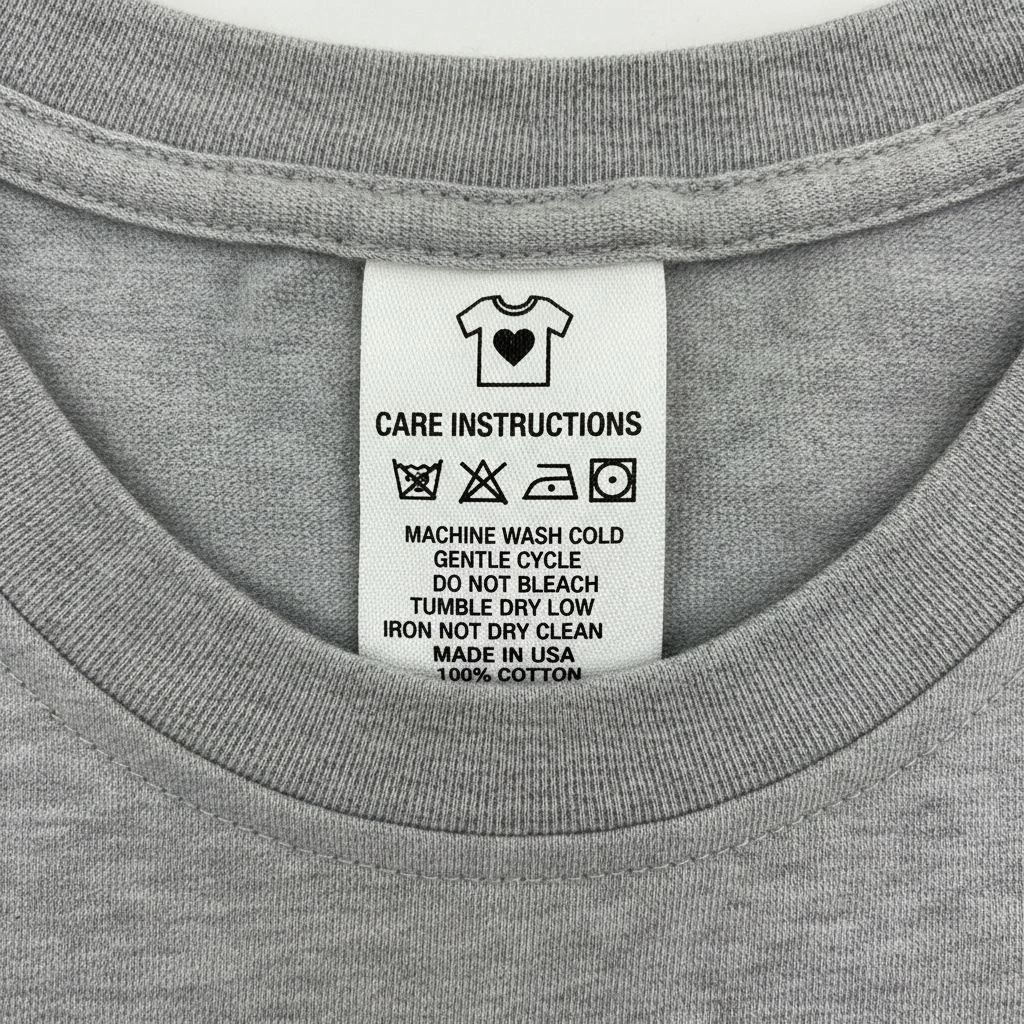
1. Care Label
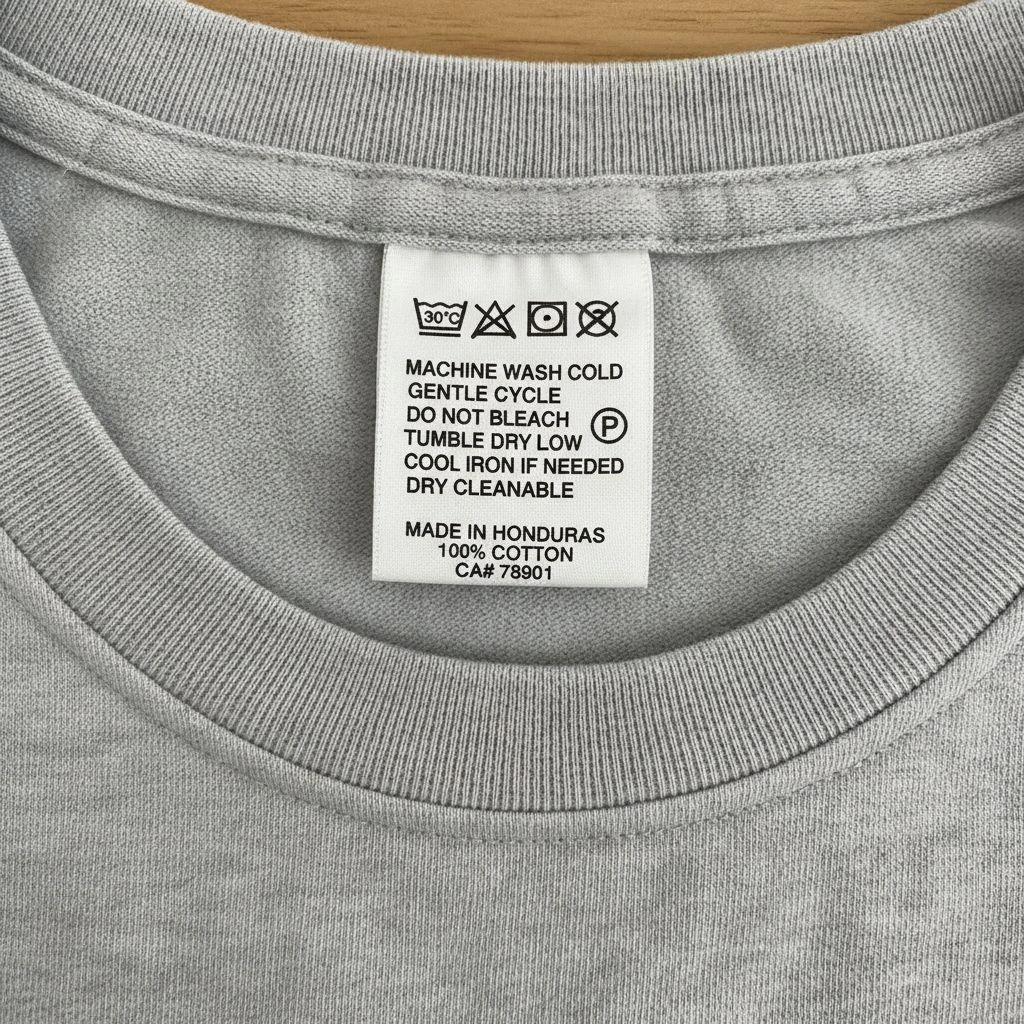
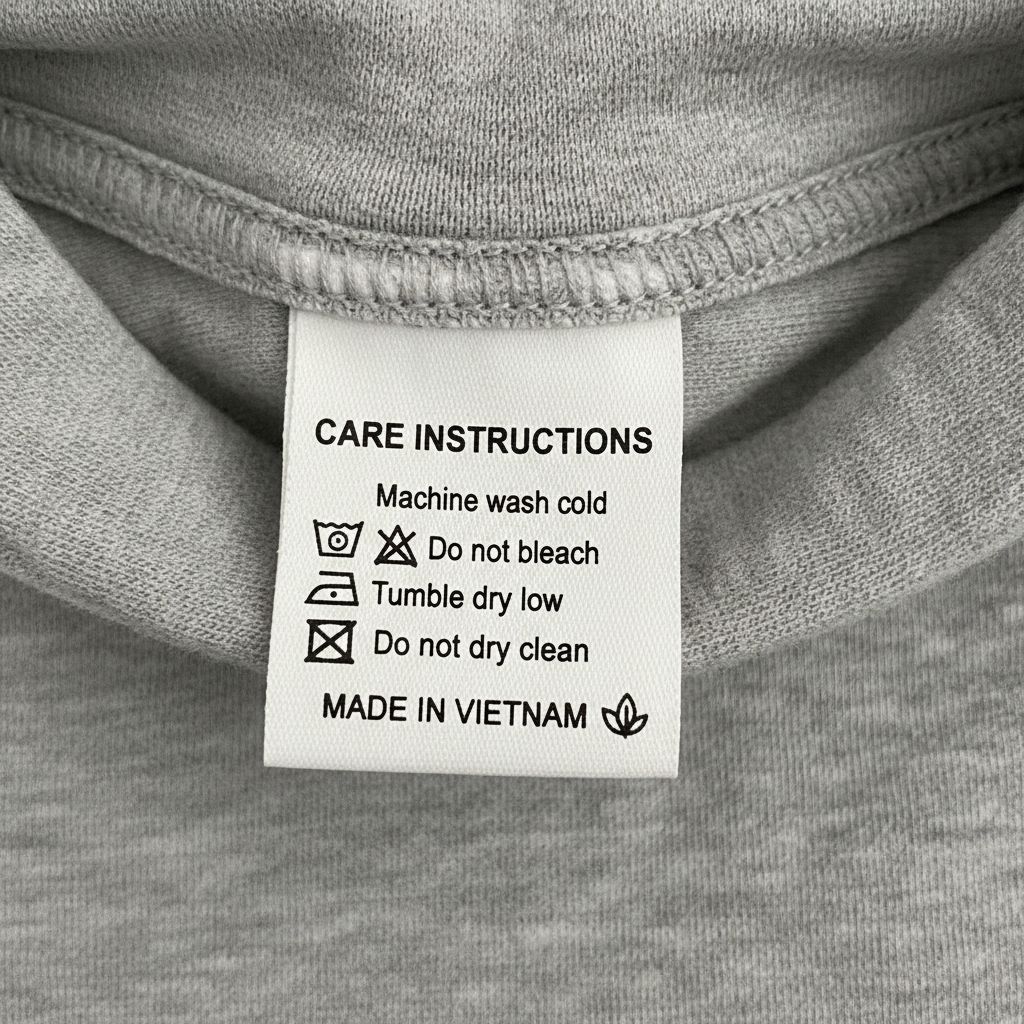
The care label is one of the most important labels in a garment. It gives instructions on how to wash, dry, bleach, iron, or otherwise care for the product properly. This helps the customer maintain the garment in good condition for a longer time.
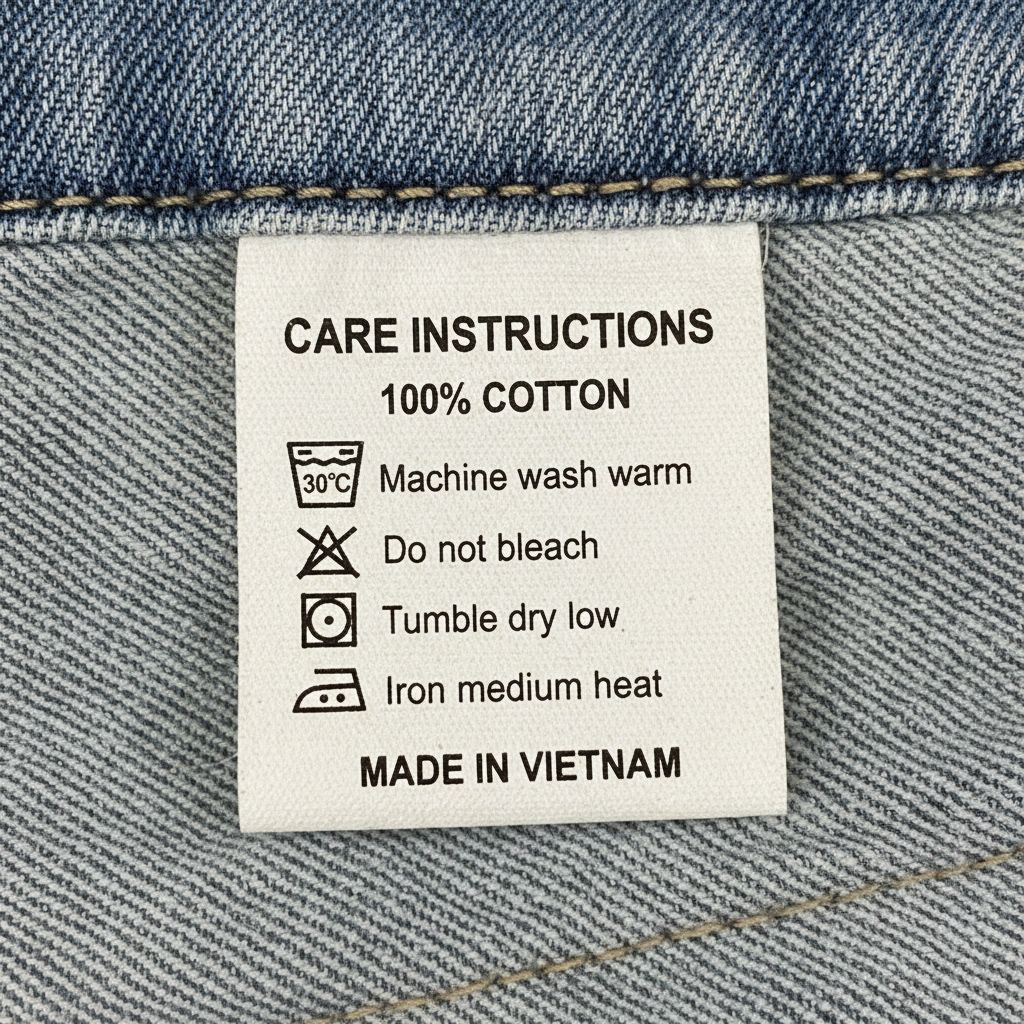

A care label may include:
- Washing instructions
- Bleaching instructions
- Drying instructions
- Ironing instructions
- Dry cleaning instructions
- Special care warnings
Care labels are especially important because incorrect washing or handling can damage the fabric, affect color, cause shrinkage, or reduce garment life. For this reason, many buyers and international markets require accurate care labeling.
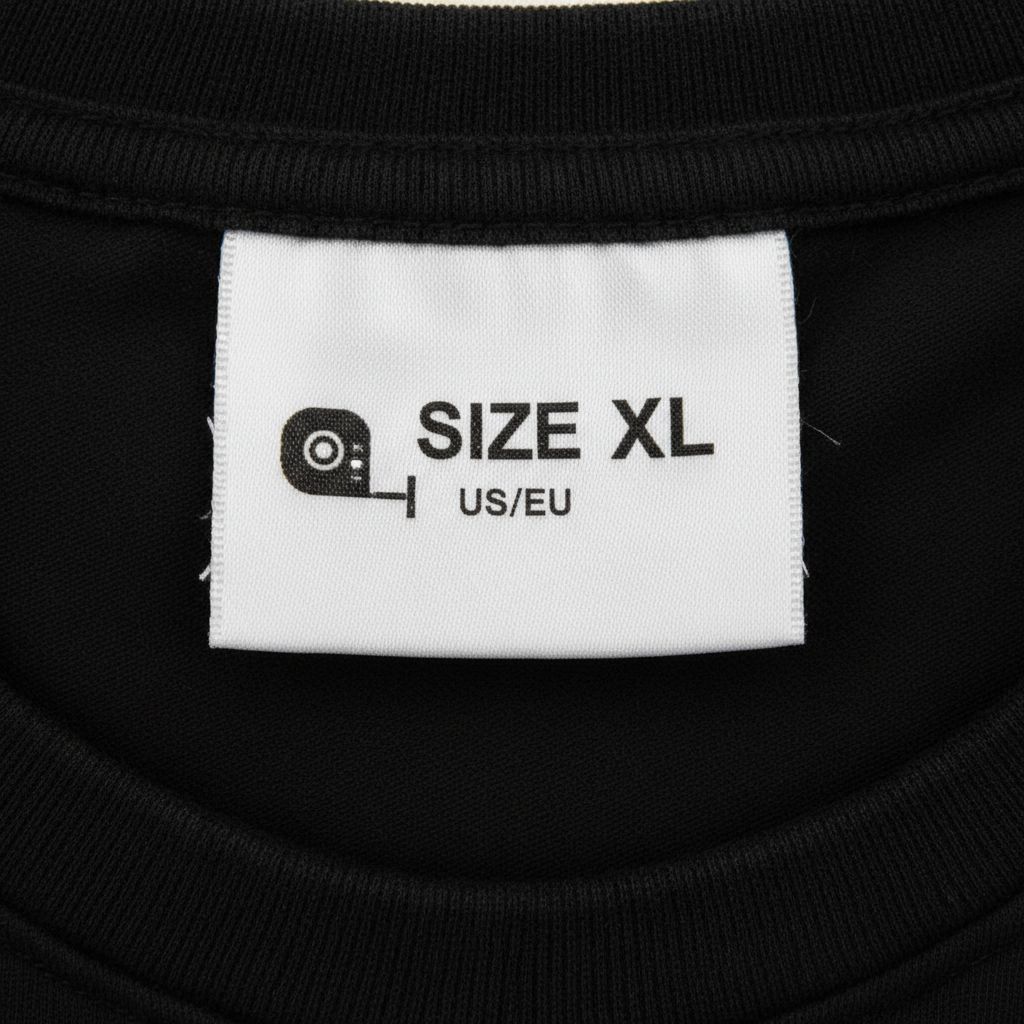
2. Size Label
A size label indicates the size of the garment. It helps the customer quickly identify whether the product fits their body measurement.
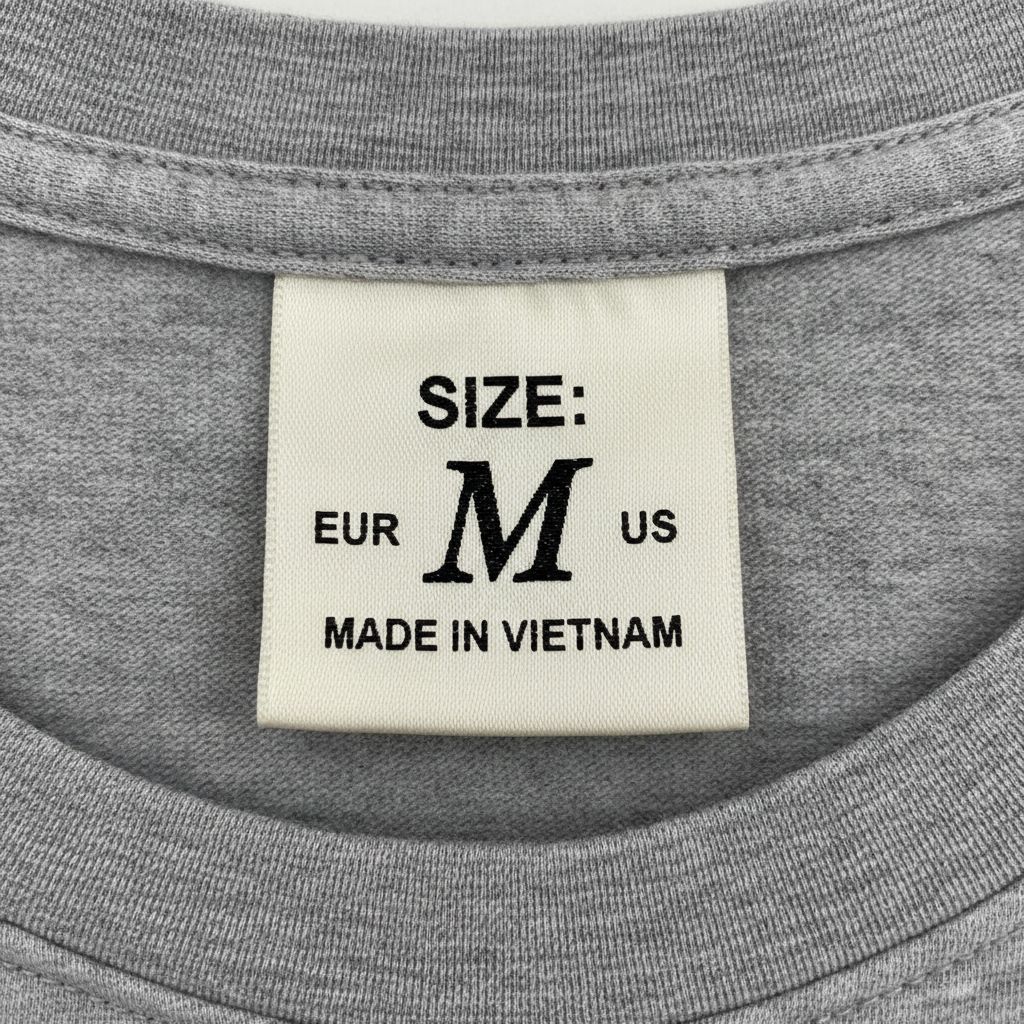
Common size indications include:
- XS
- S
- M
- L
- XL
- XXL
In some cases, size labels may also show numeric sizing, such as 28, 30, 32, 34, or international size systems based on the target market. Size labels are usually attached near the main label, especially in the neck area for tops, or near the waistband for bottoms.
3. Composition Label
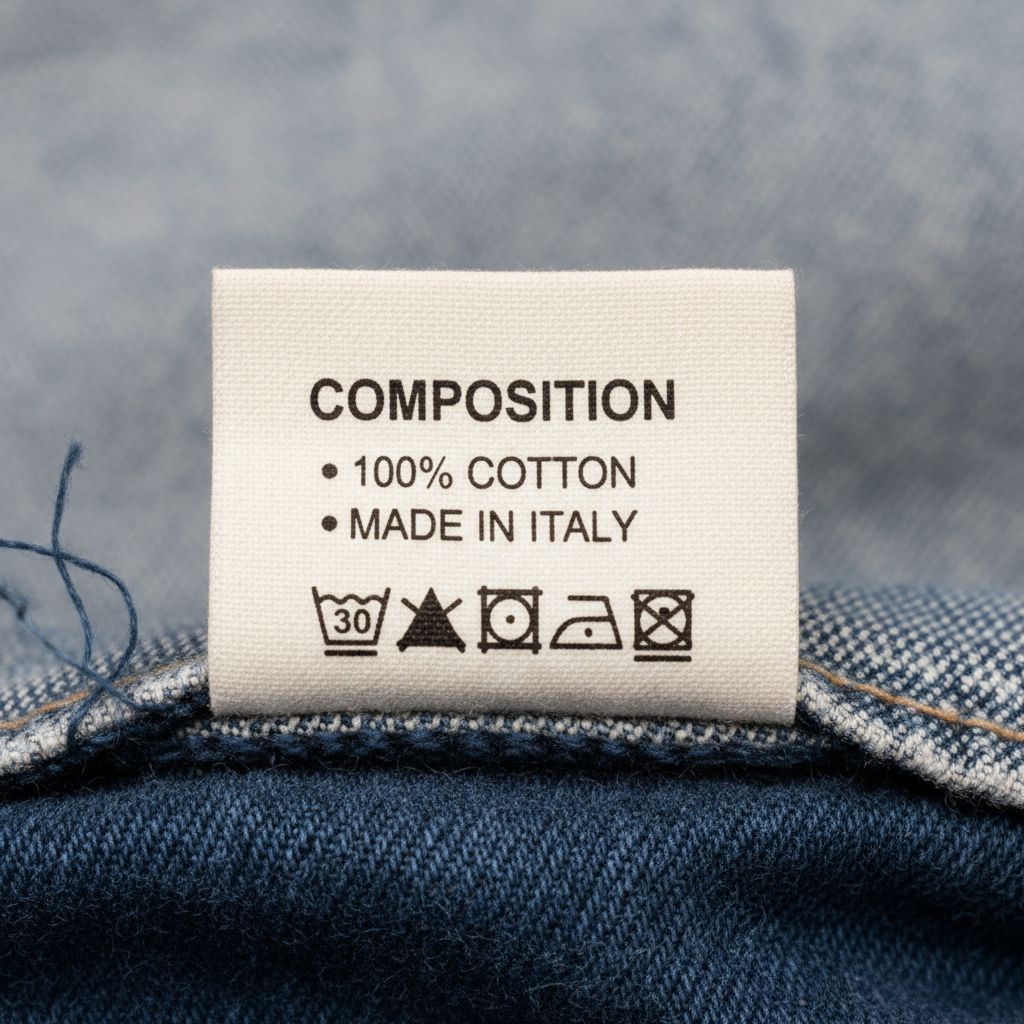
A composition label shows what fibers or materials are used in the garment. It tells the customer the fiber content or blend ratio of the fabric used in production.
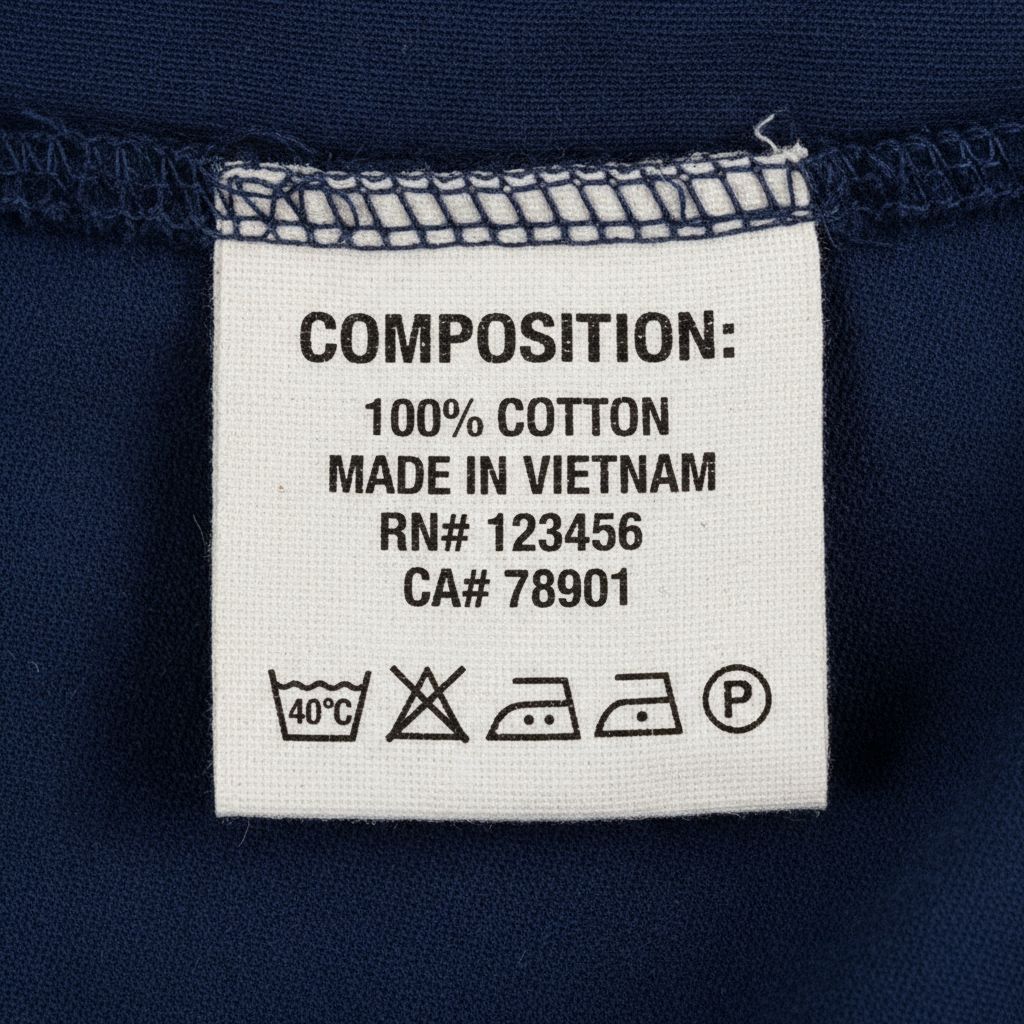
Examples include:
- 100% Cotton
- 95% Cotton, 5% Spandex
- 65% Polyester, 35% Cotton
- 100% Linen
This label is very useful because customers often want to know what fabric they are buying. Fiber content can affect comfort, durability, stretch, care method, and price. In export garments, composition labels are also important for compliance with buyer and market labeling requirements.
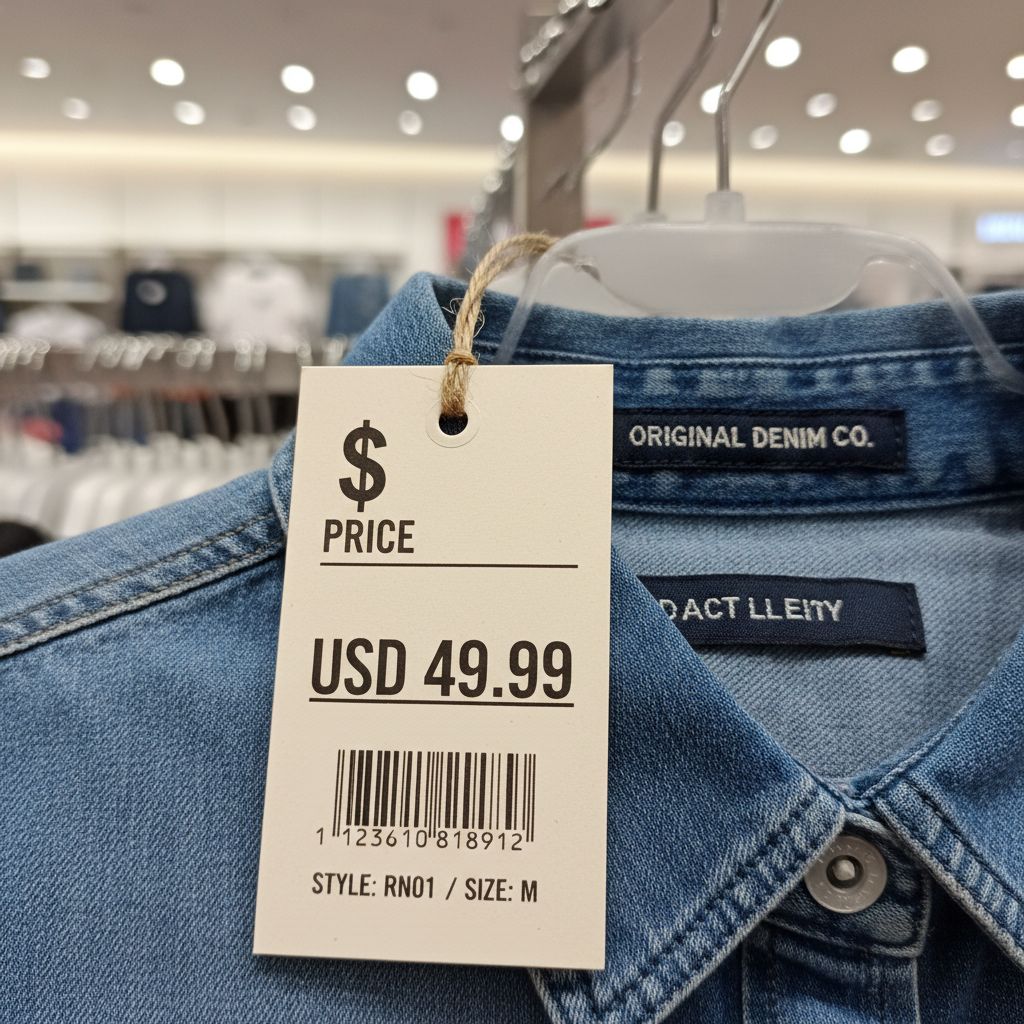
4. Price Label
The price label shows the retail price of the garment. It is usually used for merchandising and sales purposes rather than permanent product identification.

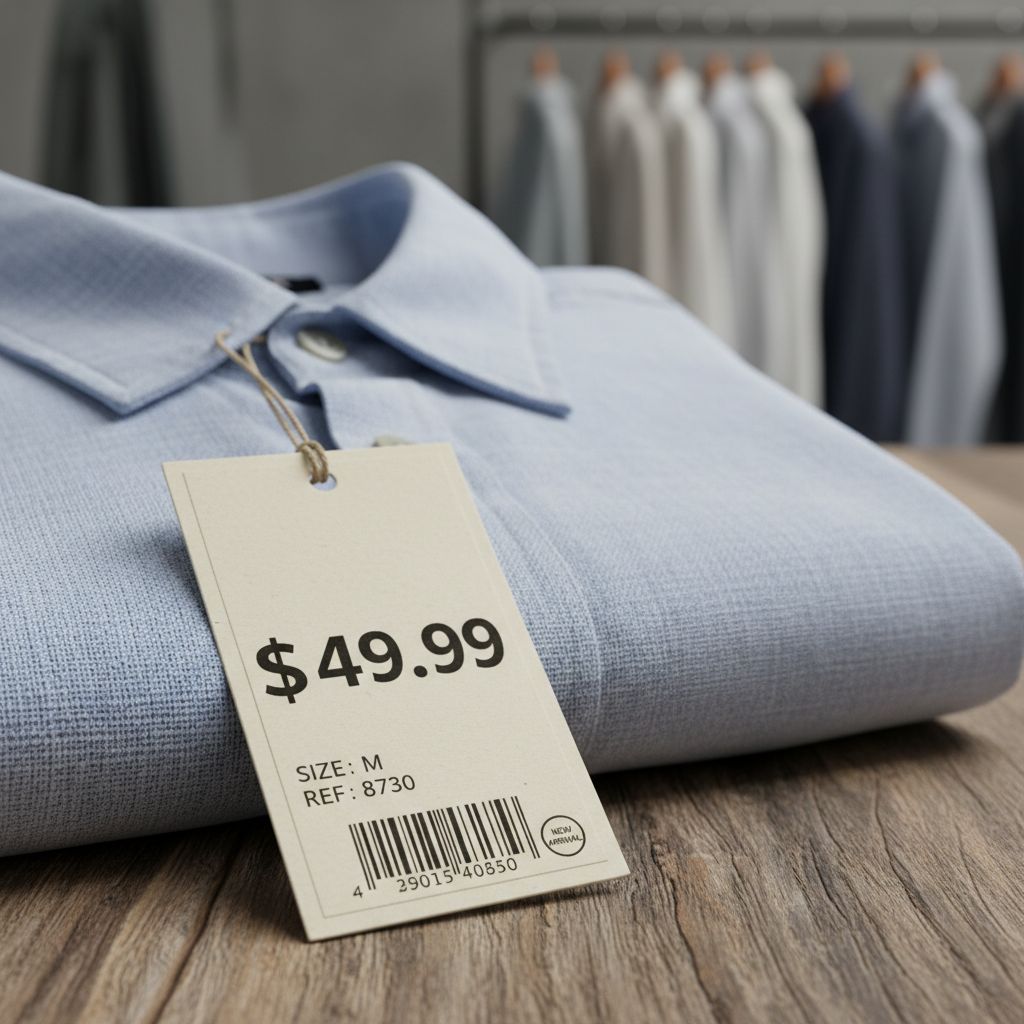
Price labels are often attached as:
- Hang tags
- Sticker labels
- Barcode tags
- Retail ticket labels
This type of label is especially important in retail stores because it helps customers and store staff identify the product price quickly.
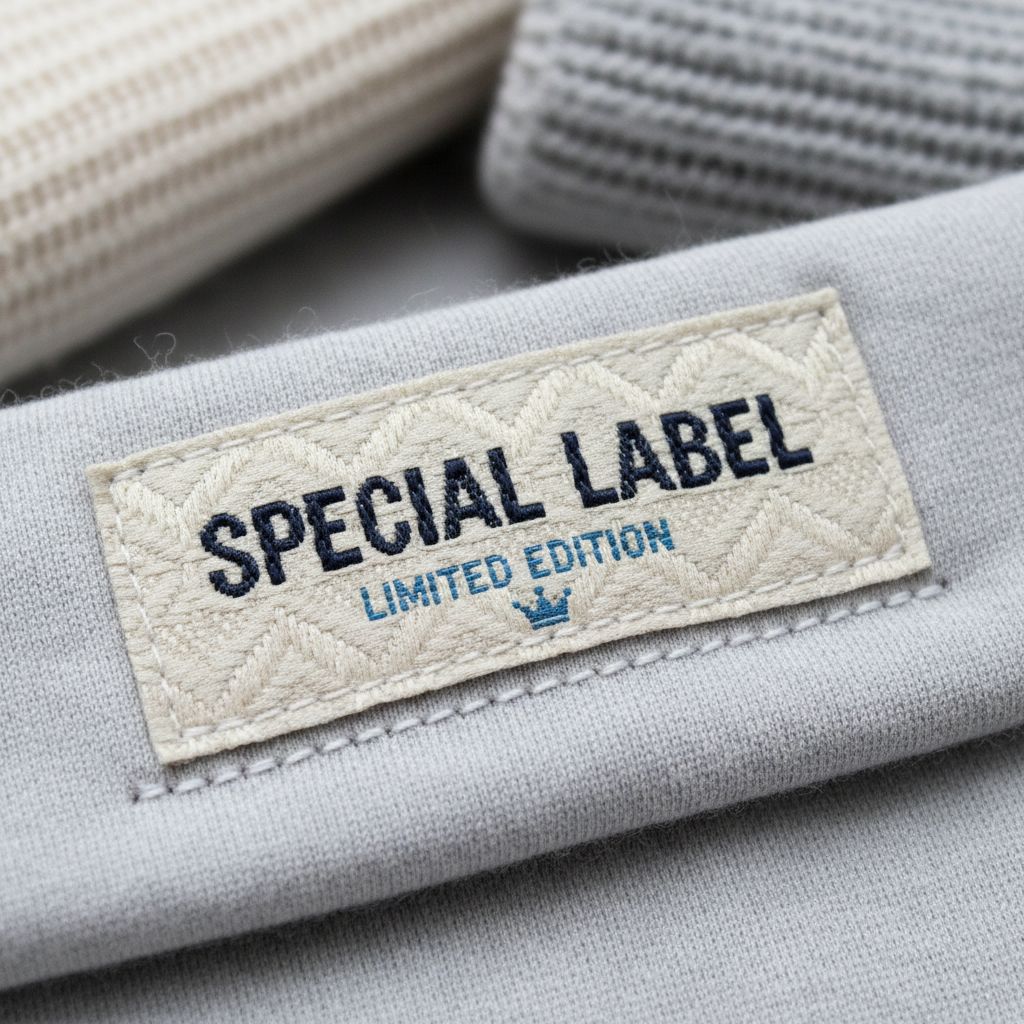
5. Special Label
A special label is used to highlight a special feature, claim, or selling point of the garment. This type of label is often added to attract customer attention and strengthen the product’s value in the market. Examples of special label messages include:
- 100% Cotton
- 100% Silk
- Genuine Leather
- Organic Cotton
- Recycled Material
- Wrinkle Free
- Water Resistant
Special labels are often used as marketing support tools. They may be sewn into the garment or attached as an extra tag depending on the buyer’s requirement.
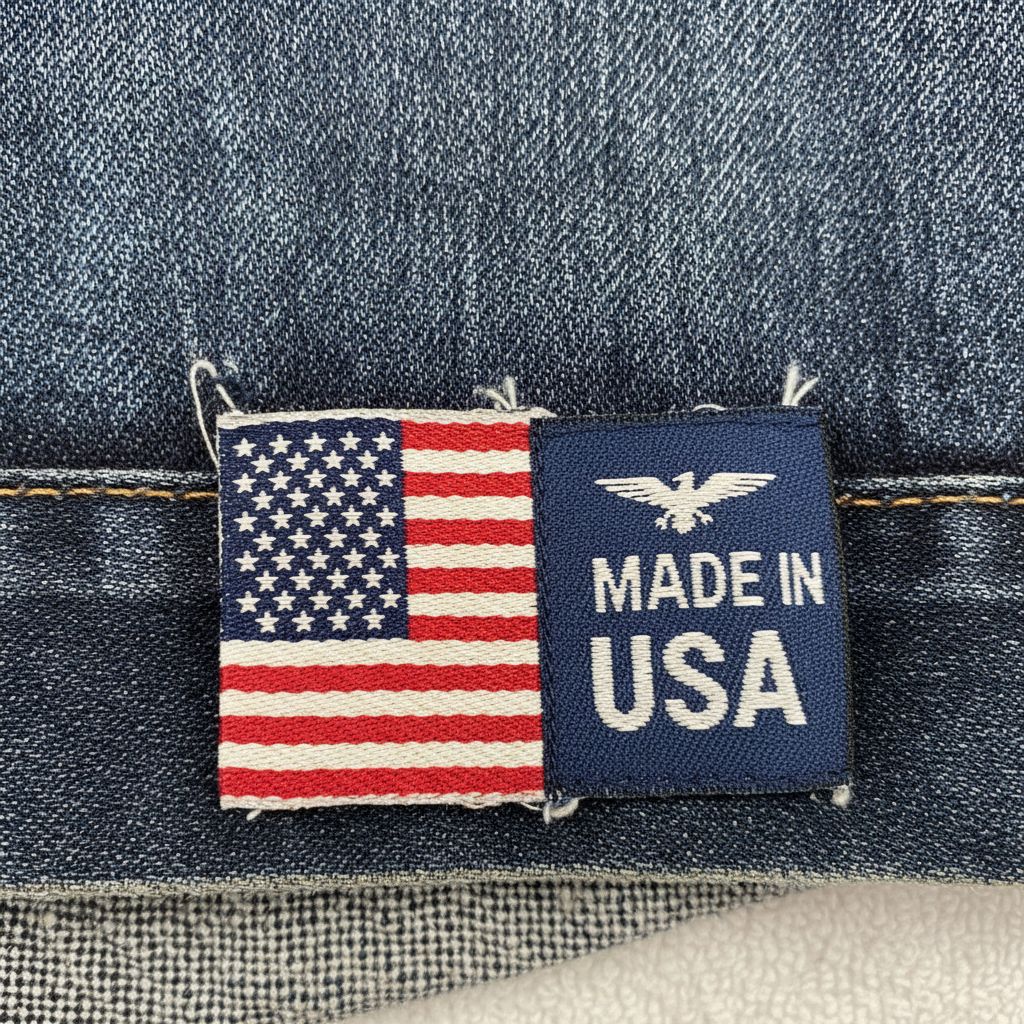
6. Flag Label
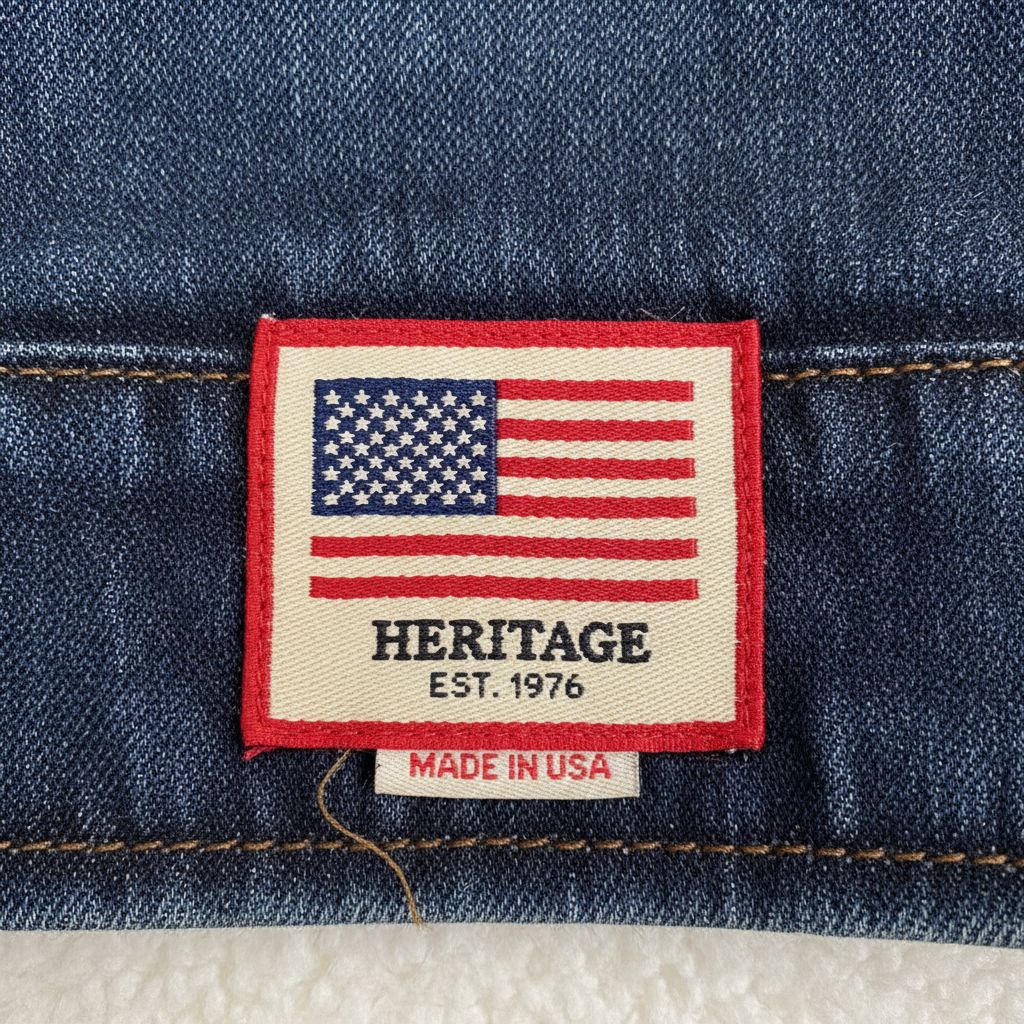
A flag label is a small label sewn into the side seam, bottom hem, pocket edge, or other visible seam area of the garment. It usually carries a brand name, logo, symbol, or short design element. Although it is small, the flag label adds branding detail and improves the garment’s appearance. Many fashion brands use flag labels to make their products look more premium and recognizable. Flag labels are commonly found on:
- T-shirts
- Shirts
- Jackets
- Jeans
- Trousers
- Casualwear items
Other Common Labels Used in Garments
In modern apparel production, the label system may go beyond the basic types mentioned above. Depending on the buyer, country, and product type, other labels may also be required.
- 1. Country of Origin Label: This label shows where the garment was made, such as “Made in Vietnam” or “Made in Bangladesh.” It is very important in international trade and is often required by law in many countries.
- 2. Barcode Label: A barcode label helps with inventory control, scanning, retail selling, and tracking. It is commonly used in packaging and retail operations.
- 3. Security or RFID Label: Some garments include RFID or security labels for stock control, anti-theft protection, and warehouse management.
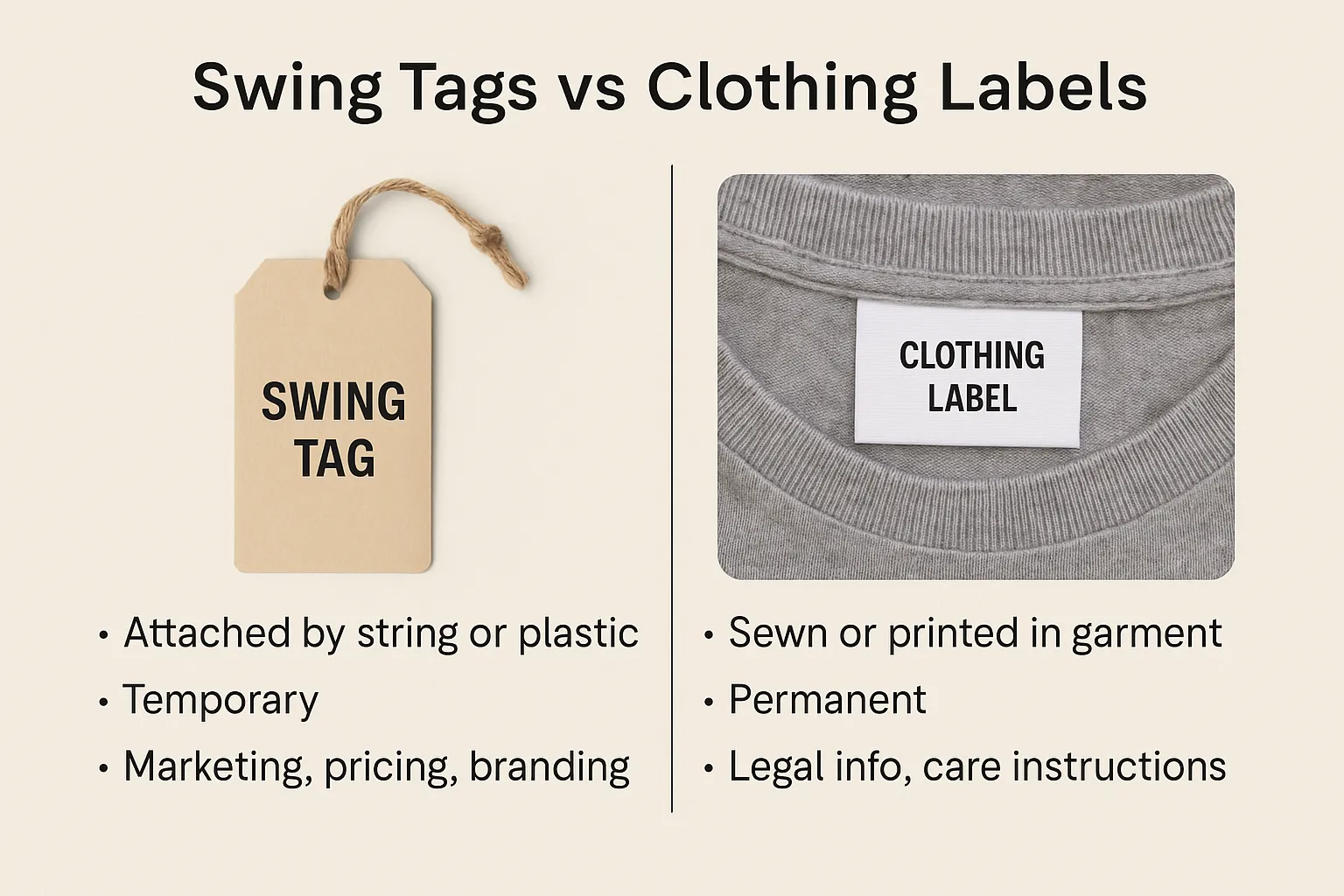
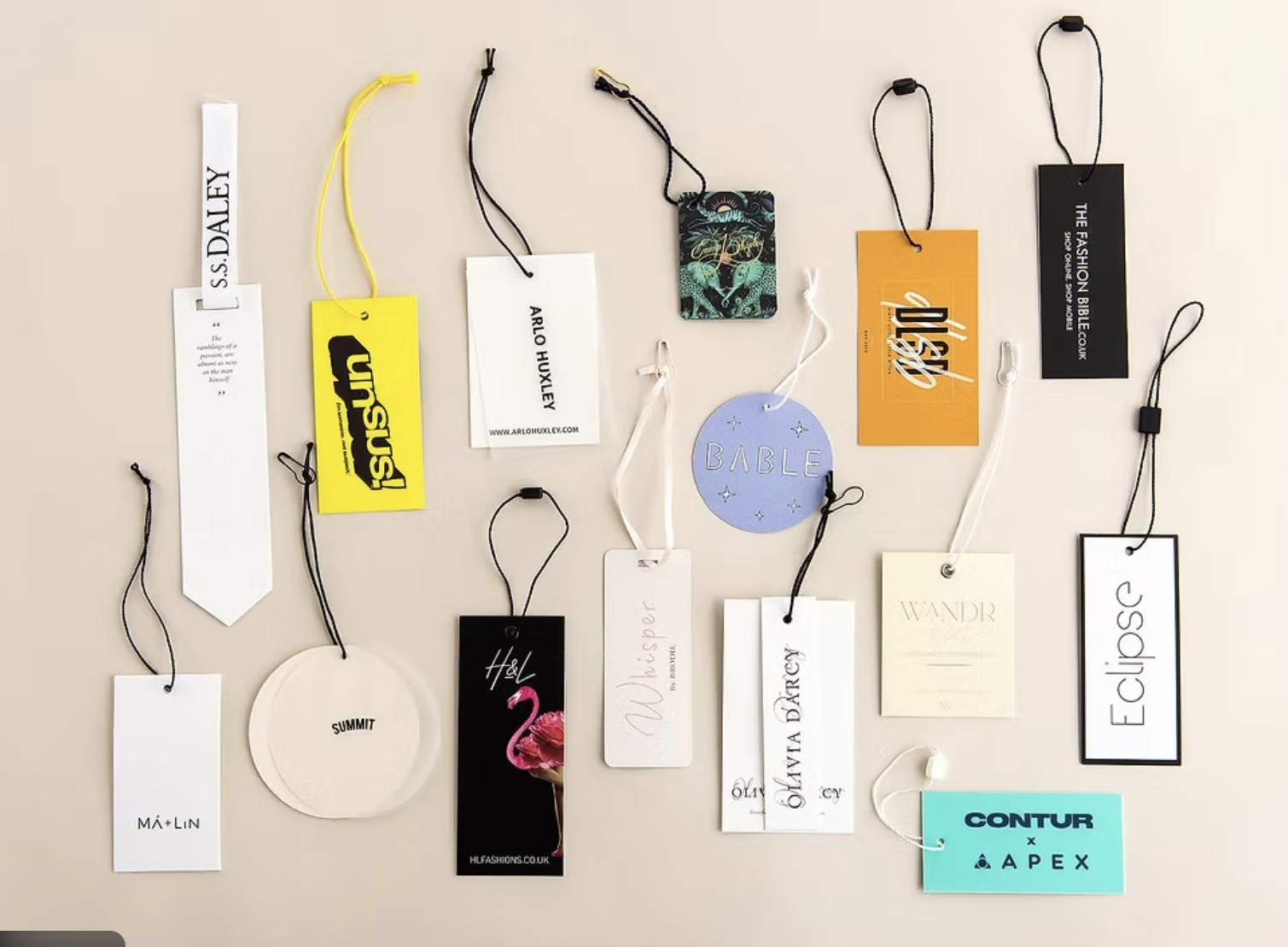
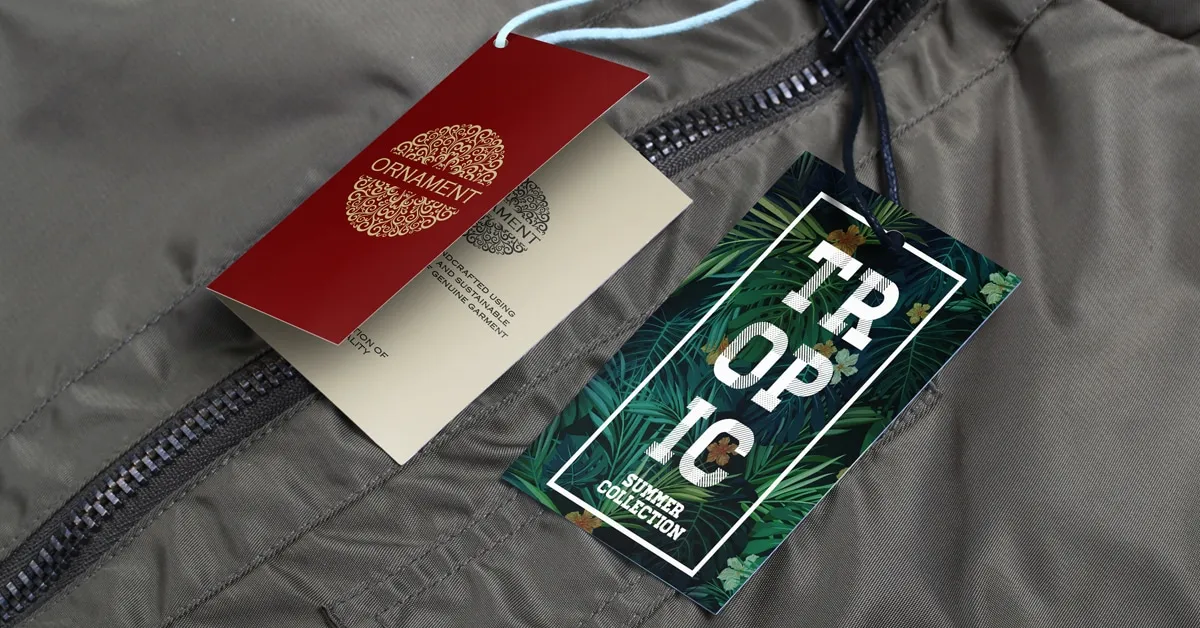
- 4. Hang Tag: Although technically not always sewn into the garment, the hang tag is often grouped with garment labeling because it gives important retail information such as brand identity, size, price, style number, and promotional message.
Materials Commonly Used for Garment Labels
Garment labels can be made from different materials depending on product type, brand position, and cost target. Common materials include:
- Woven damask
- Printed satin
- Cotton label tape
- Nylon taffeta
- Polyester tape
- Leather or artificial leather
- Paperboard for hang tags
- Plastic sticker materials
The material choice affects comfort, durability, appearance, and cost. For example, premium fashion brands may prefer woven labels for a rich look, while care labels are often made from printed satin or nylon because they can hold detailed information clearly.
Placement of Labels in Garments
The placement of labels depends on the type of garment and the purpose of the label. Common label placements include:
- Back neck
- Side seam
- Waistband
- Bottom hem
- Sleeve seam
- Inside yoke
- Pocket edge
- Hang tag attachment point
Correct placement is important because labels should be easy to read, comfortable for the wearer, and aligned with buyer requirements.
Conclusion / Final Words
Labels are a very important part of garment manufacturing. They help connect the product with the customer by providing useful and necessary information. A garment label is not only a branding tool but also an information tool, a compliance tool, and a sales support tool.
The most common labels used in garments include the main label, care label, size label, composition label, price label, special label, and flag label. In addition, garments may also include country of origin labels, barcode labels, RFID labels, and hang tags depending on the buyer and market requirements. For garment manufacturers, understanding different types of labels is essential for meeting buyer demands, improving product presentation, and ensuring smooth export and retail operations.